

Addressing Range Anxiety: Battery Capacity and Charging Infrastructure
Range Anxiety: Addressing the Fear of Running Out of Juice
Range anxiety, the fear of your electric vehicle (EV) running out of battery power before reaching your destination, has been a major concern for potential EV owners. However, advancements in battery capacity and range, as well as the development of infrastructure for long-distance travel, have been addressing this issue head-on.
Battery Capacity and Range
One of the primary factors contributing to range anxiety is the limited battery capacity of early EV models. However, with the rapid advancements in battery technology, newer EVs now offer significantly higher battery capacities. These improved batteries can store more energy, extending the range of EVs and reducing the likelihood of running out of power during a trip.
Today, many EVs have a range of over 200 miles on a single charge, with some models even surpassing the 300-mile mark. This increased range provides drivers with a greater sense of confidence and reduces the fear of being stranded due to a depleted battery.
Charging Infrastructure
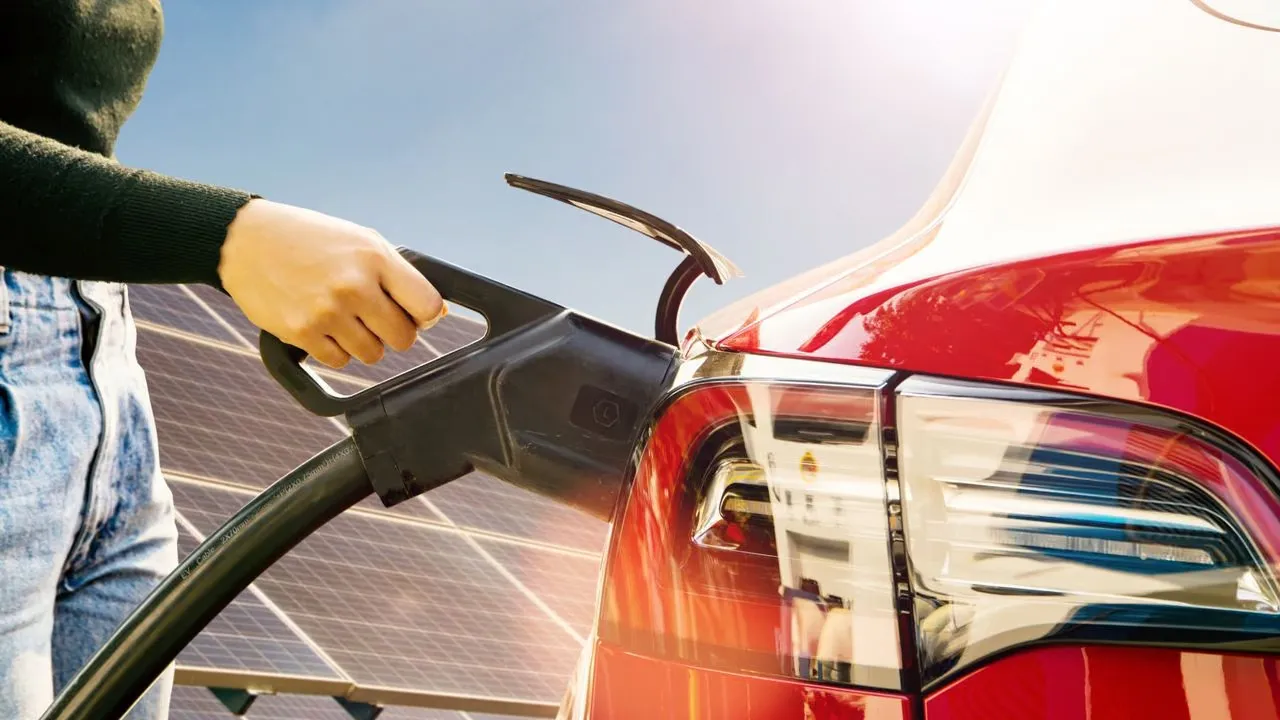
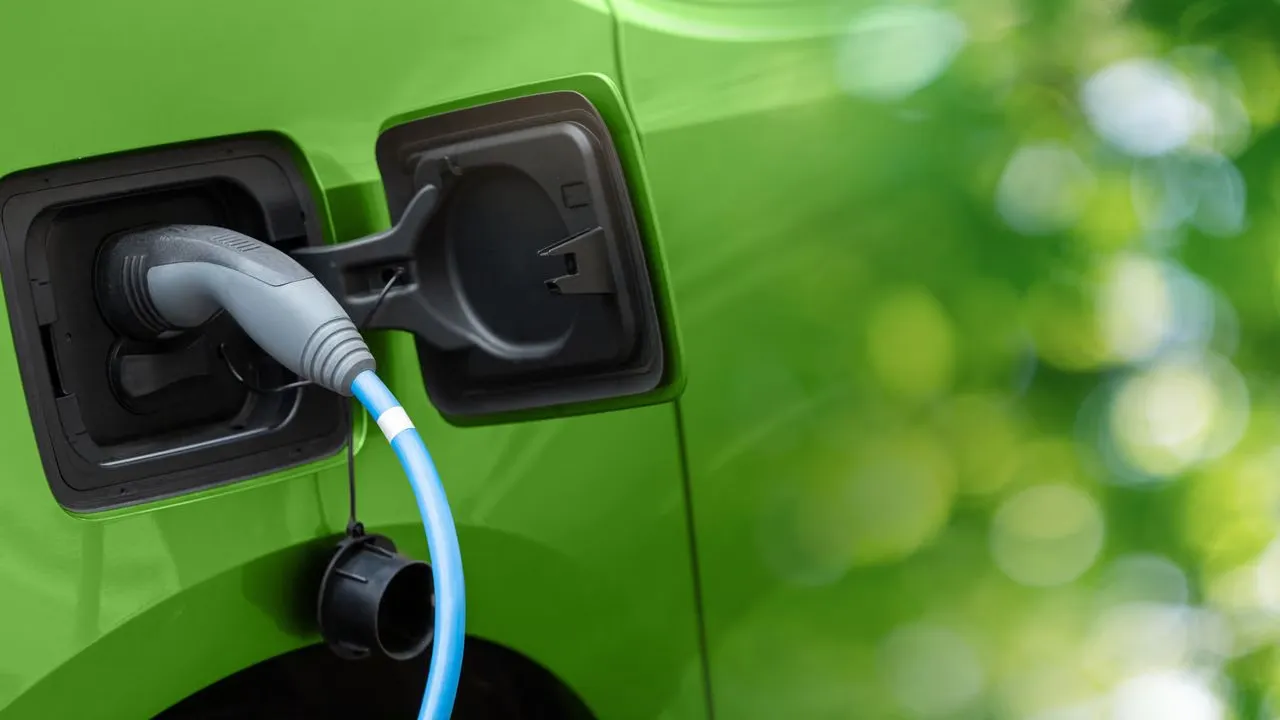
Another crucial aspect of addressing range anxiety is the development of a robust charging infrastructure. To alleviate concerns about long-distance travel, charging stations need to be readily available and conveniently located.
Fortunately, governments, businesses, and organizations worldwide are investing in the expansion of charging networks. Public charging stations can now be found in various locations, including shopping centers, parking lots, and along major highways. This growing network ensures that EV owners have access to charging facilities whenever they need them, reducing the anxiety associated with long journeys.
Furthermore, fast-charging stations have emerged, capable of replenishing an EV’s battery to 80% capacity in as little as 30 minutes. These stations are strategically placed along popular travel routes, allowing drivers to quickly recharge their vehicles during a road trip without significant delays.
Range Estimation and Planning
Modern EVs are equipped with advanced range estimation systems that provide drivers with accurate information about their remaining battery charge and the distance they can travel. These systems take into account factors such as driving behavior, weather conditions, and terrain to provide a more precise estimate.
Additionally, smartphone apps and in-car navigation systems can help EV owners locate nearby charging stations and plan their routes accordingly. These tools allow drivers to optimize their journeys, ensuring they have access to charging facilities when needed.
Education and Awareness
Addressing range anxiety also involves educating potential EV owners about the capabilities and limitations of electric vehicles. Providing accurate information about battery range, charging times, and the growing charging infrastructure helps dispel misconceptions and instills confidence in EV technology.
Automakers, government agencies, and EV advocacy groups are actively promoting the benefits of electric vehicles and addressing common concerns, including range anxiety. By increasing awareness and understanding, they are empowering consumers to make informed decisions about adopting electric transportation.
Conclusion
Range anxiety is gradually becoming a thing of the past as battery capacity and range continue to improve, charging infrastructure expands, and drivers become more familiar with EV technology. With these advancements, electric vehicles are becoming a viable option for long-distance travel, offering a greener and more sustainable alternative to traditional gasoline-powered vehicles.