
Addressing Range Anxiety: Electric Vehicle Range & Energy Consumption
Range Anxiety: Addressing Electric Vehicle Range and Energy Consumption
Electric vehicles (EVs) are gaining popularity as a greener alternative to traditional gasoline-powered cars. However, one concern that often comes up is “range anxiety” – the fear of running out of battery power before reaching a destination. This article explores how the issue of range anxiety is being addressed and how improvements in electric vehicle range and energy consumption are helping to alleviate this concern.
Understanding Electric Vehicle Range
Electric vehicle range refers to the distance an EV can travel on a single charge. In the early days of electric cars, range was a significant limitation, with most models only able to cover a few dozen miles before needing to be recharged. This limited range created anxiety among potential buyers who worried about being stranded without access to a charging station.
However, significant advancements in battery technology have greatly improved electric vehicle range. Modern EVs can now travel well over 200 miles on a single charge, with some models even exceeding 300 miles. This extended range is comparable to the distances covered by traditional gasoline-powered vehicles, making EVs more practical for everyday use.
Addressing Energy Consumption
Energy consumption is another crucial factor in reducing range anxiety. The efficiency of an electric vehicle’s energy usage directly affects the distance it can travel on a single charge. In the past, EVs were often criticized for their high energy consumption, which led to shorter ranges and frequent recharging requirements.
However, advancements in electric vehicle technology have resulted in significant improvements in energy efficiency. Modern EVs are now designed to maximize energy usage and minimize waste. Regenerative braking systems, for example, capture and store energy that is typically lost during braking, effectively extending the vehicle’s range. Additionally, manufacturers are continuously working to develop more efficient electric drivetrains and lighter materials, further reducing energy consumption and increasing range.
The Role of State-of-Charge
State-of-charge (SoC) is a critical factor in managing range anxiety. SoC refers to the amount of charge remaining in an electric vehicle’s battery. In the past, EV drivers had limited visibility into their battery’s SoC, which made it difficult to plan trips confidently.
However, modern EVs are equipped with advanced battery management systems that provide real-time information about SoC. This allows drivers to monitor their battery levels and plan their journeys accordingly. Additionally, many EVs now come with smartphone apps and in-car navigation systems that display nearby charging stations, helping drivers locate charging options along their route.
Addressing Range Anxiety
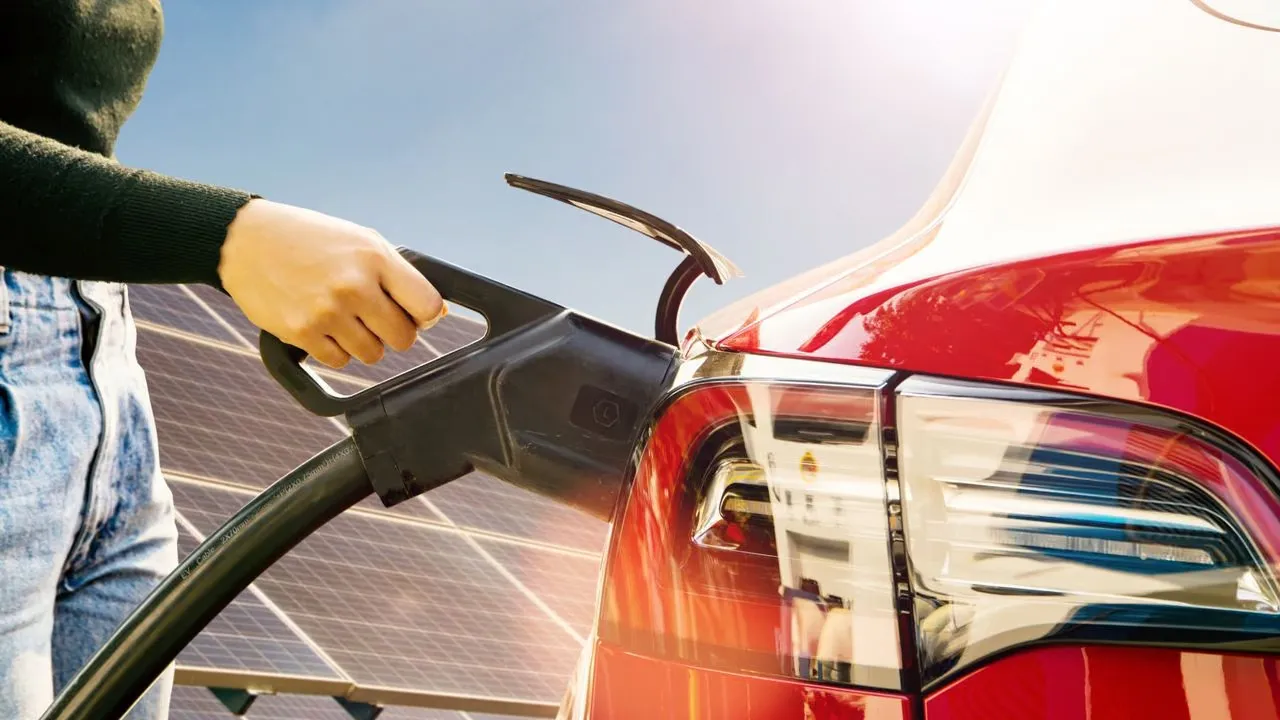
Automakers and governments worldwide are actively working to address range anxiety to further promote the adoption of electric vehicles. One approach is the installation of an extensive charging infrastructure. Charging stations are being deployed in cities, along highways, and at popular destinations, ensuring that EV drivers have convenient access to charging facilities.
Fast-charging technology is also being developed and deployed, allowing EVs to recharge quickly, reducing downtime during long trips. Fast-charging stations can replenish a significant portion of an EV’s battery capacity in just a few minutes, making long-distance travel more feasible and less anxiety-inducing.
Furthermore, continuous research and development efforts are focused on improving battery technology. Lithium-ion batteries, currently the most common type used in EVs, are becoming more efficient and affordable. Additionally, alternative battery technologies, such as solid-state batteries, are being explored, which promise even greater energy density and longer ranges.
In Conclusion
Range anxiety is a valid concern for potential electric vehicle owners, but significant progress has been made in addressing this issue. Improvements in electric vehicle range, energy consumption, and the availability of charging infrastructure have made EVs more practical and reliable for everyday use. As technology continues to advance, range anxiety will likely become a thing of the past, paving the way for a greener and more sustainable transportation future.