
Advantages of Electric Cars: Government Incentives, Air Quality, Energy Independence
Advantages of Electric Cars over Internal Combustion Engine Vehicles
Electric cars have been gaining popularity in recent years, and for good reason. With advancements in technology and increasing concerns about the environment, electric vehicles (EVs) have become a viable and attractive alternative to traditional internal combustion engine (ICE) vehicles. In this article, we will explore some of the key advantages of electric cars over their gasoline-powered counterparts.
1. Government Incentives
One of the major advantages of electric cars is the availability of government incentives. Many countries and regions around the world offer various incentives to encourage the adoption of electric vehicles. These incentives can include tax credits, rebates, grants, and even free or discounted charging infrastructure. By taking advantage of these incentives, electric car owners can significantly reduce the upfront cost of purchasing an EV, making them more affordable and accessible to a wider range of consumers.
2. Improved Air Quality
Another significant advantage of electric cars is their positive impact on air quality. Unlike ICE vehicles, which emit harmful pollutants such as carbon dioxide (CO2), nitrogen oxides (NOx), and particulate matter (PM), electric cars produce zero tailpipe emissions. This means that driving an electric car helps to reduce air pollution and improve overall air quality, leading to healthier and cleaner environments for both urban and rural areas. By transitioning to electric vehicles, we can make a significant contribution to combating climate change and reducing the negative health effects associated with poor air quality.
3. Energy Independence
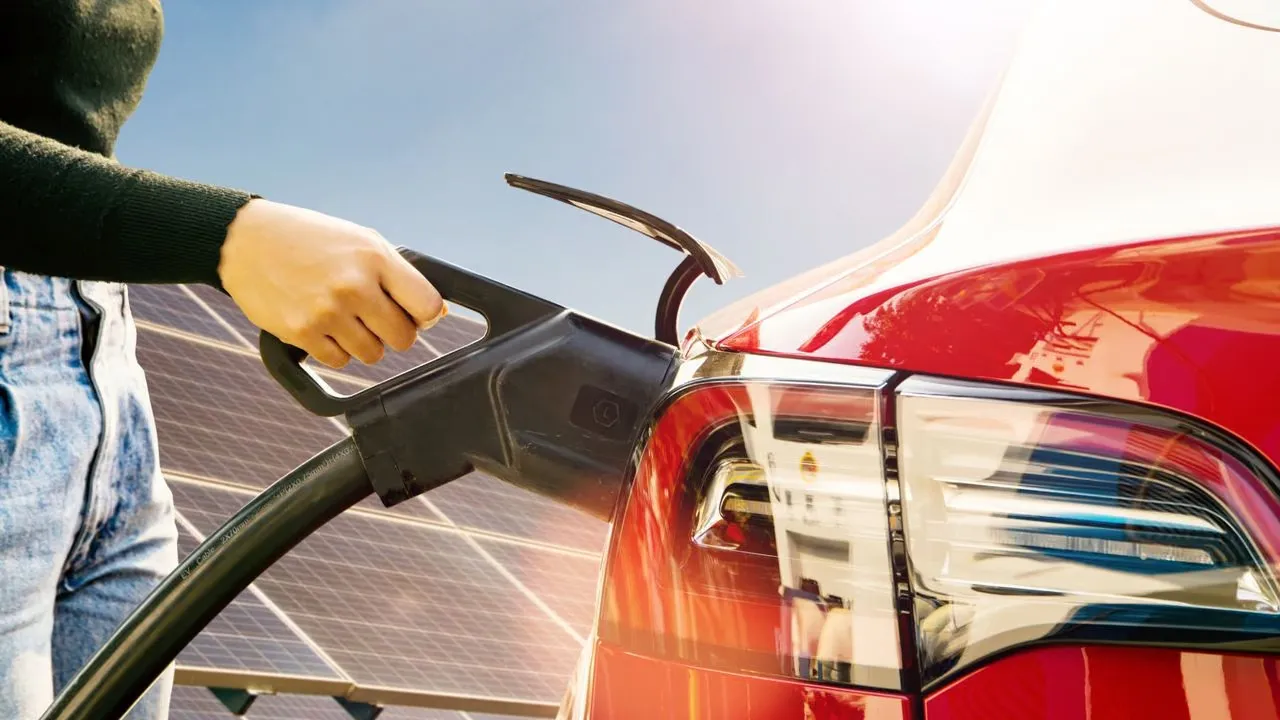
Electric cars offer the potential for greater energy independence. With the use of renewable energy sources such as solar or wind power to charge their batteries, electric car owners can reduce their reliance on fossil fuels. This not only helps to mitigate the environmental impact of transportation but also reduces the vulnerability to fluctuations in oil prices and geopolitical tensions. By embracing electric vehicles, we can move towards a more sustainable and self-sufficient energy future.
4. Lower Operating Costs
Electric cars generally have lower operating costs compared to ICE vehicles. Electricity is typically cheaper than gasoline or diesel fuel, resulting in lower fuel costs per mile. Additionally, electric cars have fewer moving parts and require less maintenance. There is no need for oil changes, spark plug replacements, or regular visits to the mechanic for engine-related issues. This translates into potential savings for electric car owners in the long run.
5. Quieter and Smoother Driving Experience
Electric cars are known for their quiet and smooth driving experience. Unlike ICE vehicles, which have noisy engines and vibrations, electric cars operate silently and provide instant torque. This not only enhances the overall driving comfort but also reduces noise pollution in urban areas. The absence of engine noise allows for a more peaceful and enjoyable driving experience, both for the driver and the surrounding community.
Conclusion
Electric cars offer several advantages over traditional internal combustion engine vehicles. Government incentives make them more affordable, while their zero tailpipe emissions contribute to improved air quality. Electric vehicles also provide the opportunity for greater energy independence and lower operating costs. Additionally, the quiet and smooth driving experience adds to the overall appeal of electric cars. With ongoing advancements in technology and infrastructure, electric vehicles are poised to play a crucial role in shaping a sustainable and greener future.