

Autonomous Driving Electric Cars Future
The Rise of Autonomous Driving and Electric Cars
In recent years, the automotive industry has been revolutionized by the advancements in autonomous driving technology and the increasing popularity of electric cars. These innovations are not only changing the way we think about transportation but also raising important questions about regulations, infrastructure, and safety.
Autonomous Vehicle Regulations
One of the key challenges facing the widespread adoption of autonomous vehicles is the lack of consistent regulations. Different countries and regions have varying rules and standards when it comes to autonomous driving, which can create barriers for manufacturers and developers.
Regulators are working to establish a framework that ensures the safety and reliability of autonomous vehicles while also addressing ethical and legal concerns. The goal is to strike a balance between innovation and public safety, allowing autonomous driving technology to flourish while protecting consumers and other road users.
Level 5 Autonomy
When it comes to autonomous driving, there are different levels of automation ranging from Level 0 (no automation) to Level 5 (full automation). Level 5 autonomy represents a vehicle that can operate without any human intervention under all conditions.
While we are not yet at a point where Level 5 autonomy is a reality on public roads, significant progress has been made in developing the technology and infrastructure needed to achieve this level of automation. Companies like Tesla, Waymo, and Uber are leading the way in testing and refining autonomous driving systems to eventually reach Level 5.
Electric Vehicle Infrastructure
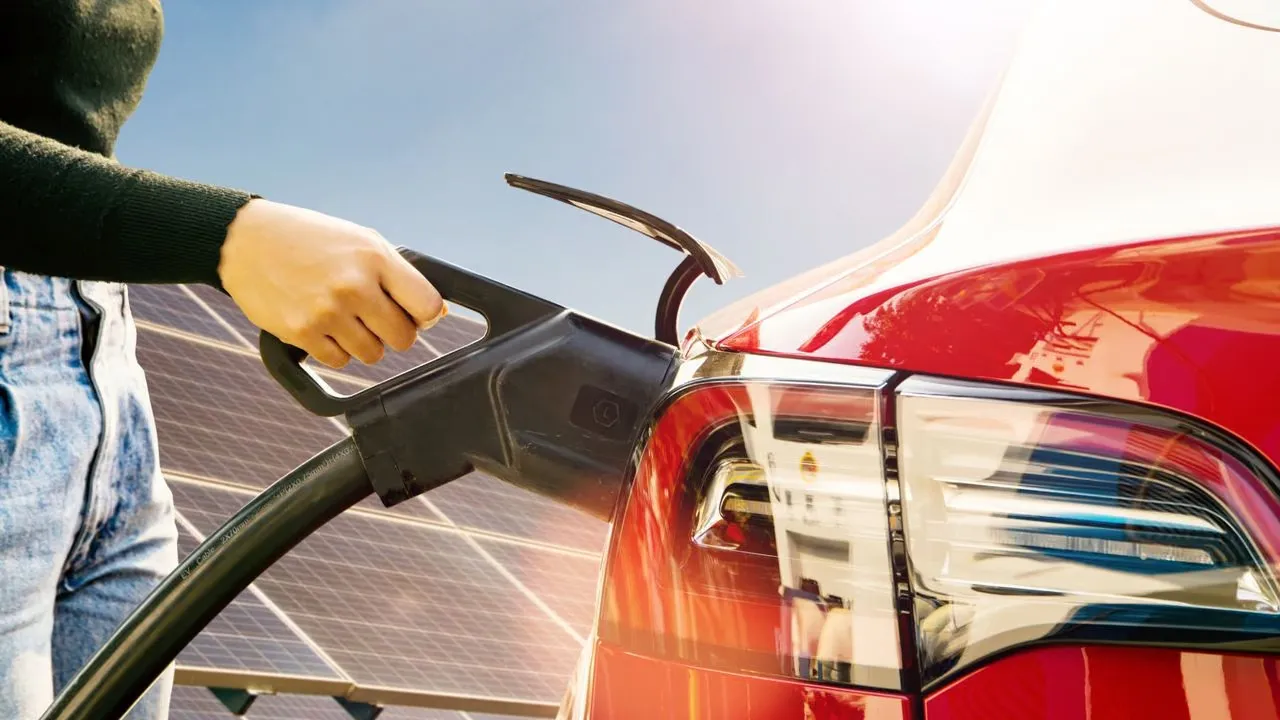
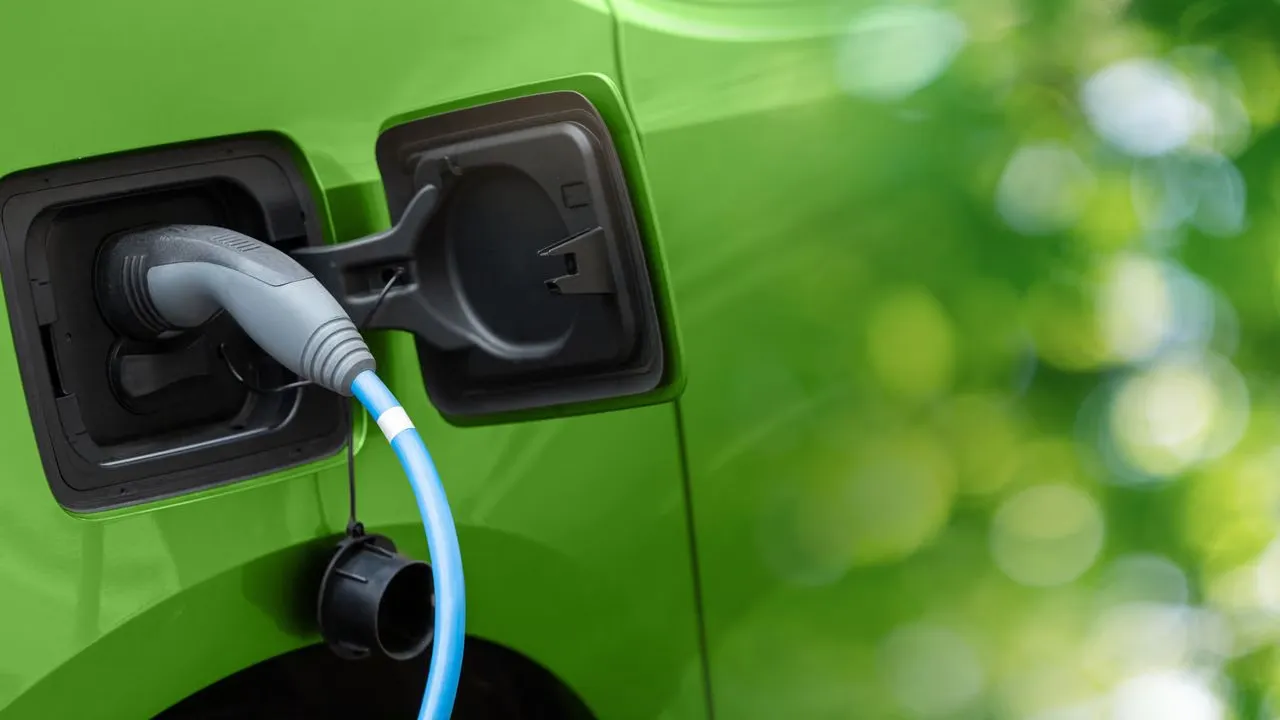
Alongside the advancements in autonomous driving, the shift towards electric cars is also gaining momentum. Electric vehicles (EVs) offer a more sustainable and environmentally friendly alternative to traditional gasoline-powered cars, but their widespread adoption is contingent on the availability of a reliable charging infrastructure.
Investments in electric vehicle infrastructure, such as charging stations and fast-charging networks, are crucial for supporting the growth of the EV market. Governments, businesses, and communities are working together to expand the charging infrastructure and make electric cars a viable option for more consumers.
Conclusion
As autonomous driving technology and electric cars continue to evolve, the future of transportation looks increasingly promising. By addressing regulatory challenges, advancing towards Level 5 autonomy, and expanding electric vehicle infrastructure, we are paving the way for a more efficient, sustainable, and safer transportation system.