
Can Wireless Chargers Replace Cables Soon
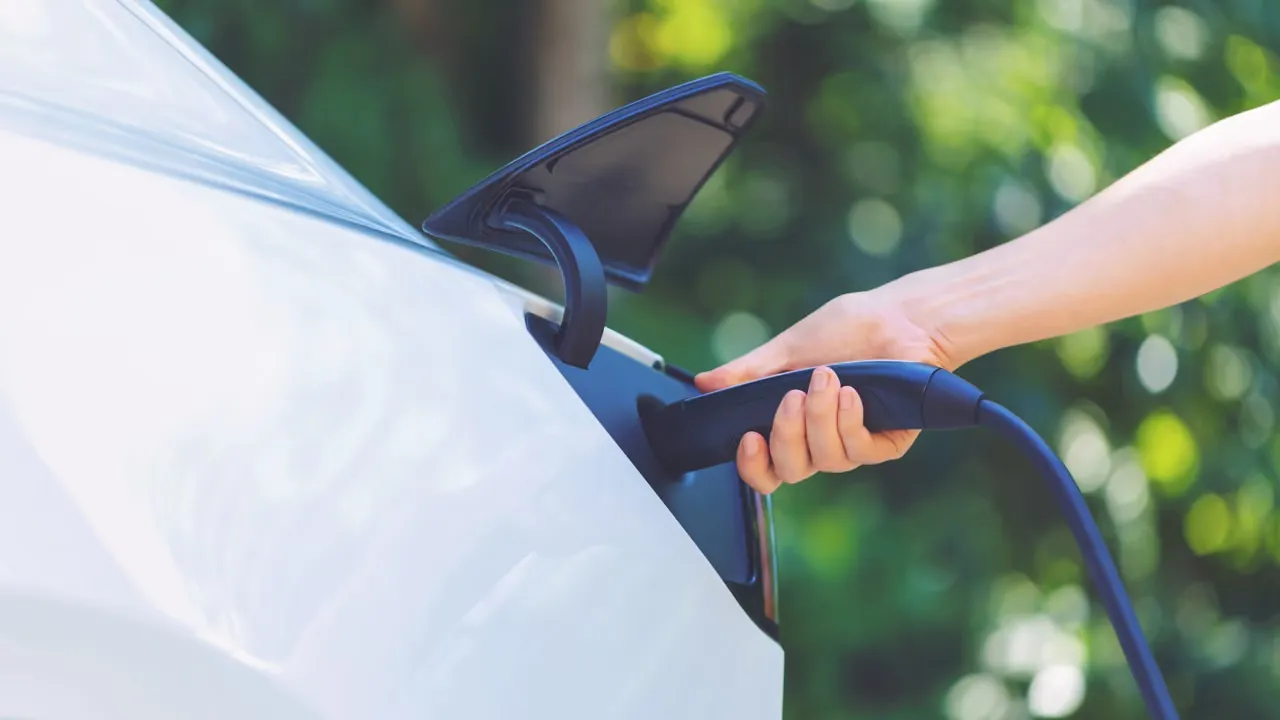
Electric vehicles are transforming how we think about transportation, but the real game-changer lies beneath the surface—in how we power these cars. As battery technology improves, the spotlight is increasingly on charging infrastructure. The rise of ultra-fast and wireless EV charging is not just a convenience upgrade; it’s reshaping daily driving habits and setting the stage for a future where charging hassles might become a thing of the past.
The rise of ultra-fast EV charging stations
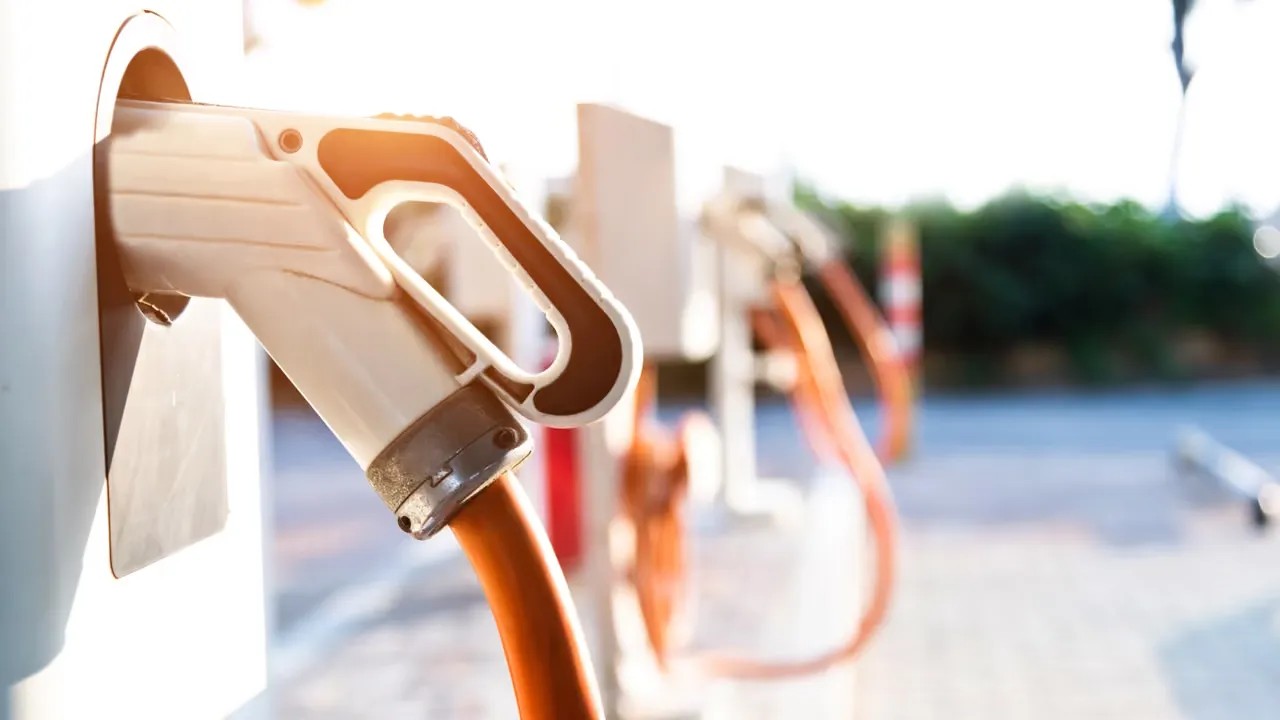
Gone are the days when plugging in an electric vehicle meant hours of waiting. Ultra-fast charging stations, capable of delivering power at rates exceeding 350 kW, are redefining what it means to “refuel” an EV. These chargers can replenish 80% of a battery’s capacity in 15 to 20 minutes, matching or sometimes surpassing the speed of a traditional gas station pit stop.
This leap in charging speed is largely thanks to advances in power electronics, improved cooling systems, and high-capacity battery designs that can safely handle rapid energy intake. Networks like Ionity, Electrify America, and Tesla’s Supercharger network are rolling out these ultra-fast chargers across highways and urban centers, making long-distance EV travel more viable and less intimidating.
Ultra-fast charging is not just about speed; it’s about reshaping the concept of range anxiety. When drivers know they can stop briefly and get enough charge to continue for hundreds of miles, EV ownership becomes more practical for a broader audience. The availability of these stations is encouraging drivers to consider electric vehicles as their primary or only vehicle, rather than a secondary or commuter car.
Wireless charging convenience meets innovation
While ultra-fast wired chargers are making great strides, wireless charging technology offers a glimpse into a more seamless future. Imagine pulling into your garage or parking spot and your car begins charging automatically—no cables, no plugs, just effortless energy transfer.
Wireless EV charging typically uses inductive charging pads embedded in the ground, which transfer energy to a receiver coil in the vehicle through electromagnetic fields. Although current wireless charging rates are slower than ultra-fast wired chargers, the technology is evolving rapidly, with some systems already providing up to 11 kW of power, suitable for overnight charging and slow top-ups during short stops.
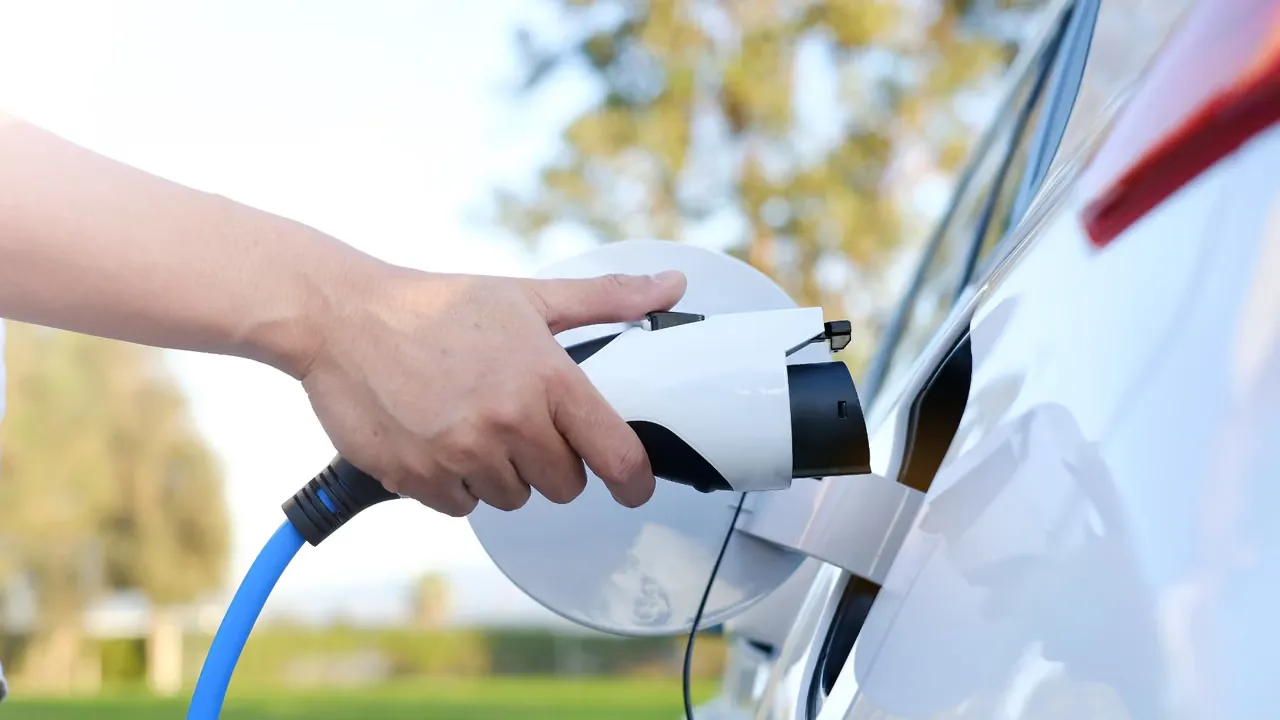
The convenience factor is undeniable. Wireless charging removes the physical barrier of connecting cables, which can be cumbersome and wear out over time. For urban dwellers and those with limited garage space, wireless street or parking lot chargers could become standard, enabling frequent, automatic top-ups throughout the day.
How advanced charging tech shapes daily EV usage
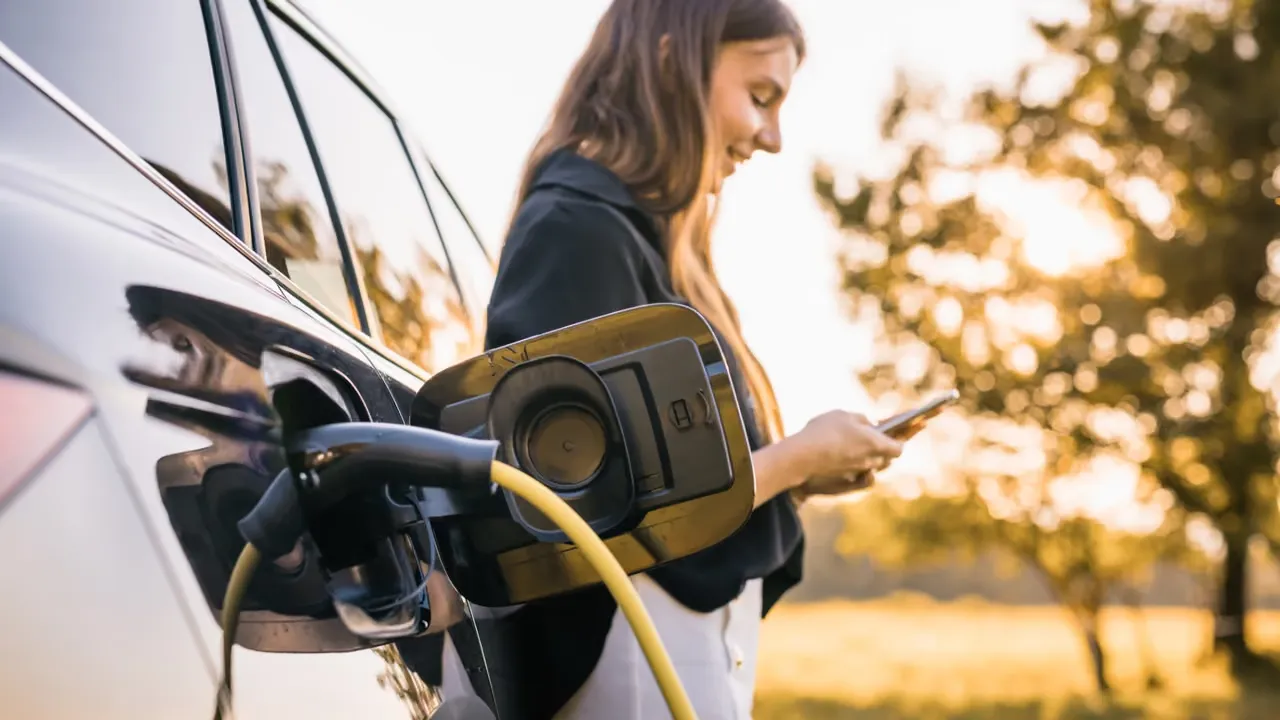
These charging innovations are influencing how drivers interact with their vehicles on a daily basis. Ultra-fast charging stations enable spontaneous long trips and reduce the need for meticulous charge planning. Meanwhile, wireless charging supports a “charge-as-you-go” lifestyle, keeping batteries topped off without interrupting daily routines.
Another key development is smart charging, where vehicles and chargers communicate with the electrical grid to optimize energy use and cost. This means charging can be scheduled during off-peak hours or when renewable energy is plentiful, reducing strain on the grid and lowering emissions associated with electricity production.
With these technologies, the concept of “range anxiety” is evolving into “range confidence.” Drivers can be less concerned about battery depletion and more focused on their journey. This shift encourages broader EV adoption and pushes automakers to design vehicles optimized for more flexible and frequent charging cycles.
Challenges and future prospects of next-gen charging solutions
Despite the promise, ultra-fast and wireless charging face notable challenges. Ultra-fast charging stations require significant infrastructure investment, including upgraded power grids and cooling systems to handle the immense energy transfer without overheating. The rapid influx of energy can also accelerate battery degradation if not carefully managed.
Wireless charging faces efficiency hurdles. Energy loss during transfer means longer charging times and higher electricity consumption compared to wired charging. Standardization is another concern—different manufacturers and regions use varying wireless charging protocols, hindering widespread adoption.
Looking ahead, the integration of ultra-fast and wireless charging with renewable energy and vehicle-to-grid technologies could revolutionize not just driving but energy consumption patterns. As batteries improve and charging tech matures, the line between driving and charging will blur, making electric vehicles more user-friendly and sustainable than ever.