
Charging Ahead Electric Cars Redefine Cities
Walking through many modern cities today, it’s impossible to miss the growing presence of electric cars. But their impact extends far beyond the roads. These vehicles are quietly reshaping urban infrastructure in ways that touch energy distribution, city planning, and the very fabric of how we live and move in metropolitan areas.
Charging Stations Integrating Energy into Cityscapes
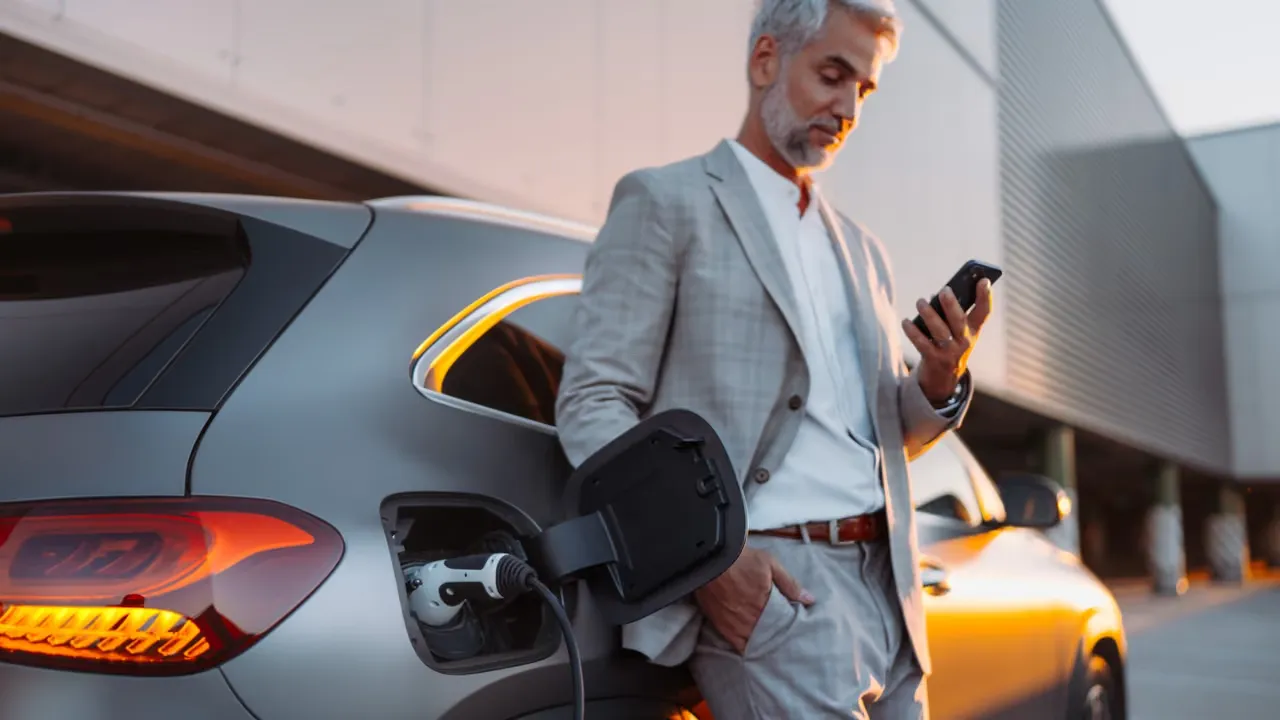
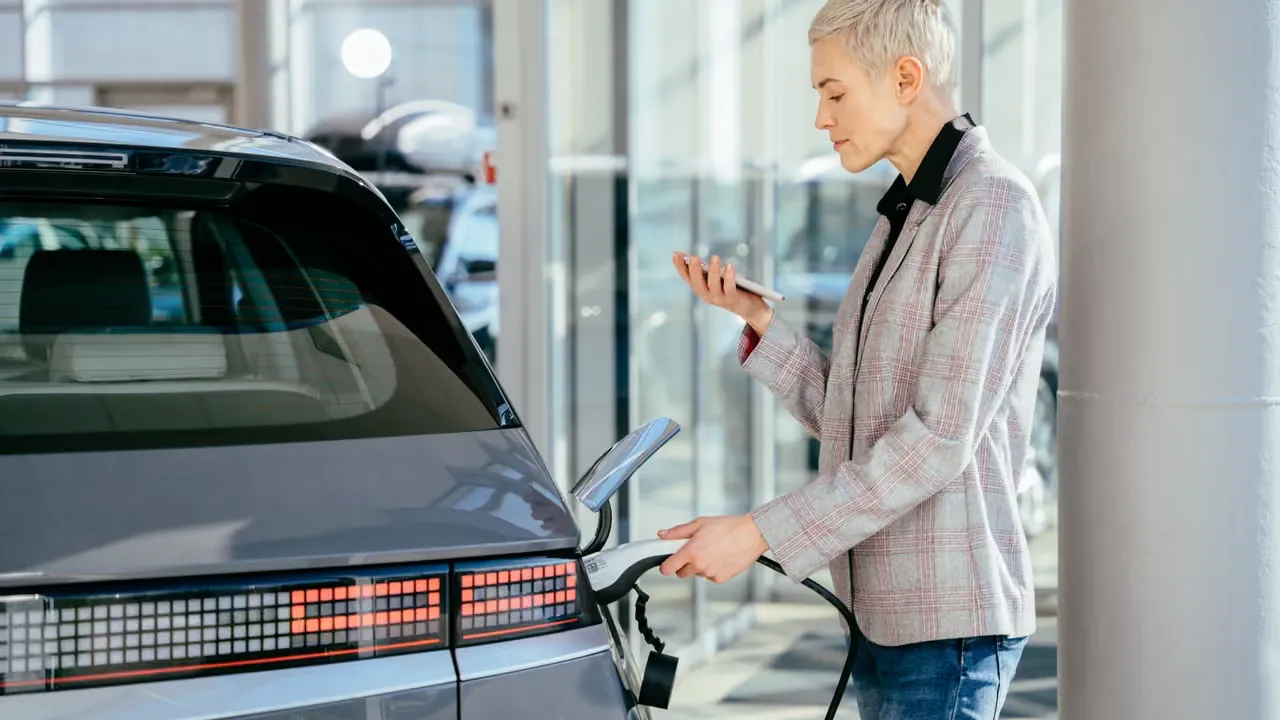
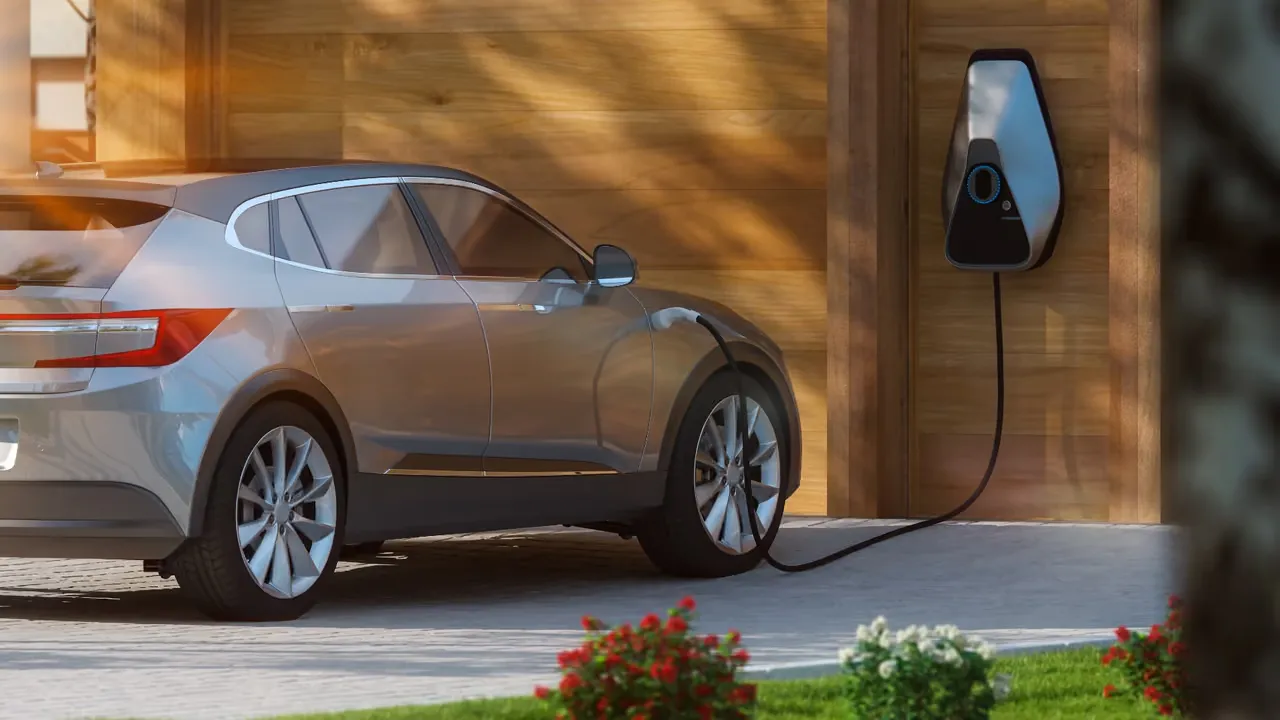
Electric cars demand a network of charging points, and these stations are becoming fixtures of urban life. Gone are the days when charging was confined to private garages; now, public spaces, shopping centers, and office parking lots are dotted with chargers. But this isn’t just a matter of convenience—it’s a fundamental shift in how cities think about energy delivery.
Unlike gas stations, which operate as isolated fuel providers, charging stations act as nodes that connect vehicles directly to the electrical grid. Many cities are experimenting with integrating these chargers into street furniture, lamp posts, and even sidewalks, blending technology and urban design. This integration encourages a more sustainable and visually cohesive environment, where charging infrastructure supports urban aesthetics rather than detracting from them.
Moreover, the rise of fast-charging hubs transforms how urban dwellers manage their day. Instead of lengthy stops, quick charges become part of everyday routines, prompting planners to adapt public spaces to accommodate waiting customers with amenities, green spaces, or retail options.
Impact on Urban Planning and Parking Solutions
The shift to electric vehicles demands a fresh look at parking strategies. Traditional parking lots designed purely to maximize space are evolving to prioritize access to chargers. This means fewer spots but more equipped with power, fundamentally changing how cities allocate parking real estate.
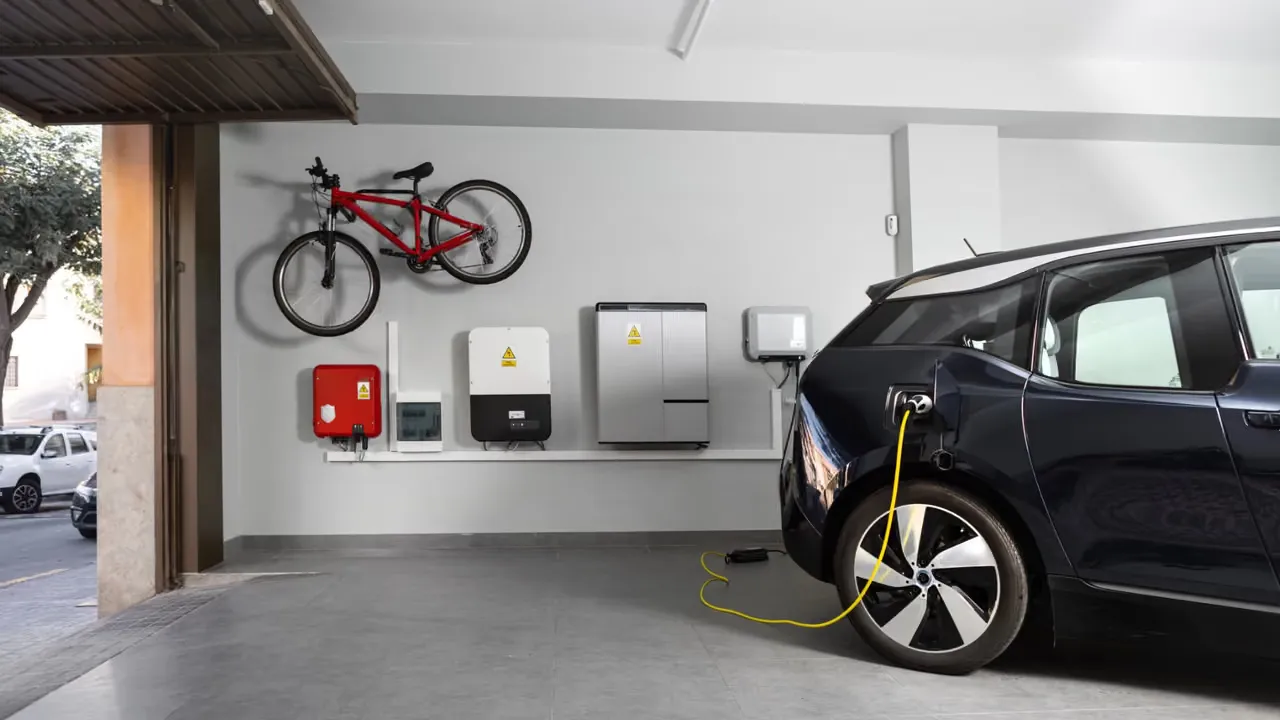
Some cities are introducing dynamic parking pricing based on charging needs, encouraging turnover and efficient use of charging points. Others are redesigning garages to include integrated solar panels and energy storage systems, making parking structures energy producers rather than just consumers.
Urban planners also face the challenge of retrofitting older neighborhoods where space is limited. Innovative solutions like curbside charging stations or shared community chargers in residential complexes are becoming increasingly common. This not only democratizes access to electric vehicle charging but also fosters community engagement around sustainable living.
Electric Cars and the Evolution of Grid Management
Electric vehicles are no longer just consumers of electricity—they are emerging as active participants in energy management. Vehicle-to-grid (V2G) technology allows parked electric cars to feed electricity back into the grid during peak demand, turning millions of parked vehicles into a vast, distributed battery network.
This interaction introduces new dynamics in grid management. Utilities gain flexibility in balancing supply and demand, potentially reducing the need for expensive peaker plants and lowering overall emissions. However, it also requires sophisticated software and infrastructure to monitor, control, and incentivize these exchanges.
Additionally, the increased load from charging demands upgrades in grid capacity and resilience. Smart grid technologies, coupled with real-time data analytics, enable cities to optimize energy distribution, prevent overloads, and integrate renewable sources more effectively. Electric cars thus push urban energy systems toward a more decentralized and adaptive future.
Future Prospects Smart Cities Powered by Electric Mobility
The convergence of electric cars with other smart city technologies points toward a future where urban life is more interconnected and sustainable. Imagine a city where traffic lights communicate with vehicles to reduce congestion, where autonomous electric shuttles seamlessly fill transit gaps, and where energy flows dynamically between homes, cars, and businesses.
Electric mobility becomes a backbone for these innovations. As vehicles generate and consume data alongside electricity, they enable new services—predictive maintenance, optimized routing, and personalized energy management. Cities can leverage this data to improve air quality, reduce noise pollution, and enhance public health.
Moreover, the electrification of transport encourages investments in renewable energy and energy storage infrastructure, aligning urban growth with climate goals. The transformation isn’t merely about swapping engines; it’s about rewriting the rules of urban living and crafting cities that breathe and adapt in real time.