

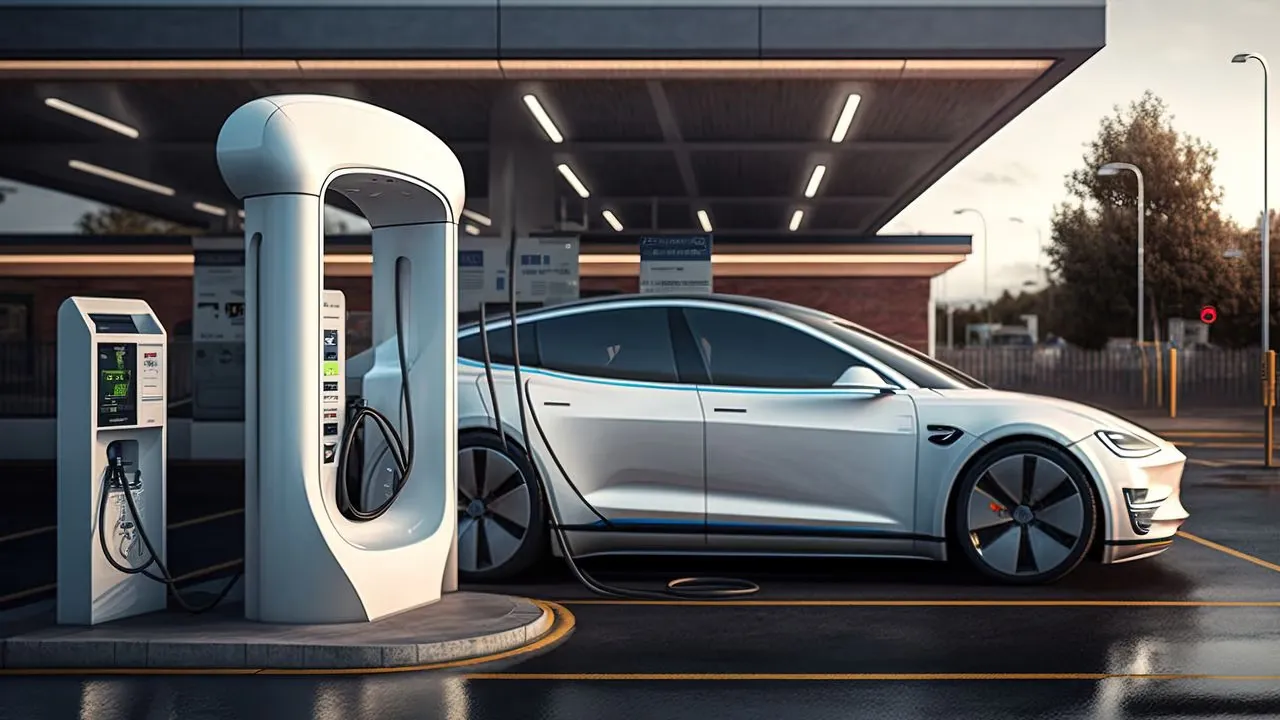
Efficient EV Charging Infrastructure Monitoring
EV Charging Infrastructure Monitoring: Ensuring Efficiency and Security
The rise of electric vehicles (EVs) has brought about the need for a robust charging infrastructure to support the growing number of EV owners. As a result, monitoring and maintaining this infrastructure has become a critical aspect of ensuring efficient and secure charging experiences for EV users.
Charging Infrastructure Reporting
Charging infrastructure reporting plays a vital role in monitoring the performance and usage of EV charging stations. By collecting and analyzing data on charging sessions, operators can gain valuable insights into the usage patterns, peak charging times, and overall demand for charging services. This information can be used to optimize the placement of charging stations, identify areas with high charging demand, and plan for future infrastructure expansion.
Moreover, charging infrastructure reporting enables operators to track the revenue generated from charging services, monitor the availability of charging stations, and identify any potential issues or malfunctions. By having access to real-time data, operators can proactively address maintenance needs and minimize downtime, ensuring a seamless charging experience for EV users.
Charging Infrastructure Connectivity
Efficient monitoring of EV charging infrastructure relies on robust connectivity between charging stations and a central monitoring system. With a connected infrastructure, operators can remotely monitor the status of charging stations, receive real-time alerts for any issues, and remotely control charging sessions if necessary.
Connectivity also enables operators to implement dynamic pricing strategies, where charging rates can be adjusted based on factors such as time of day, demand, or energy availability. This flexibility not only optimizes the utilization of charging infrastructure but also encourages off-peak charging, reducing strain on the grid during peak hours.
Charging Infrastructure Security
Ensuring the security of EV charging infrastructure is of utmost importance to protect both the charging stations and the data they collect. Cybersecurity measures must be implemented to safeguard against potential threats and unauthorized access.
Encrypting data transmission between charging stations and the central monitoring system is crucial to prevent data breaches and unauthorized tampering. Additionally, secure authentication protocols should be in place to ensure that only authorized individuals can access and control the charging infrastructure.
Physical security measures, such as surveillance cameras and tamper-proof enclosures, should also be implemented to deter vandalism and theft of charging equipment. Regular inspections and maintenance can help identify any potential vulnerabilities and ensure the integrity of the charging infrastructure.
Conclusion
Monitoring and maintaining EV charging infrastructure is essential for ensuring efficient and secure charging experiences for EV users. Charging infrastructure reporting provides valuable insights into usage patterns and demand, enabling operators to optimize infrastructure placement and plan for expansion. Robust connectivity allows for real-time monitoring, remote control, and dynamic pricing strategies. Lastly, implementing cybersecurity and physical security measures safeguards the infrastructure and the data it collects. By prioritizing monitoring and security, the EV charging infrastructure can continue to support the growing adoption of electric vehicles.