
Efficient EV Charging Station Management
EV Charging Station Management: Ensuring Efficient Serviceability, Load Management, and Fault Detection
As electric vehicles (EVs) gain popularity, the need for a robust and efficient charging infrastructure becomes increasingly important. EV charging station management plays a crucial role in ensuring the smooth operation and optimal utilization of these stations. In this article, we will explore three key aspects of EV charging station management: charging station serviceability, charging station load management, and charging station fault detection.
Charging Station Serviceability
Serviceability refers to the ability of a charging station to be easily maintained and repaired. It is essential for charging station operators to minimize downtime and ensure that stations are always available to EV owners. To achieve this, charging stations should be designed with serviceability in mind.
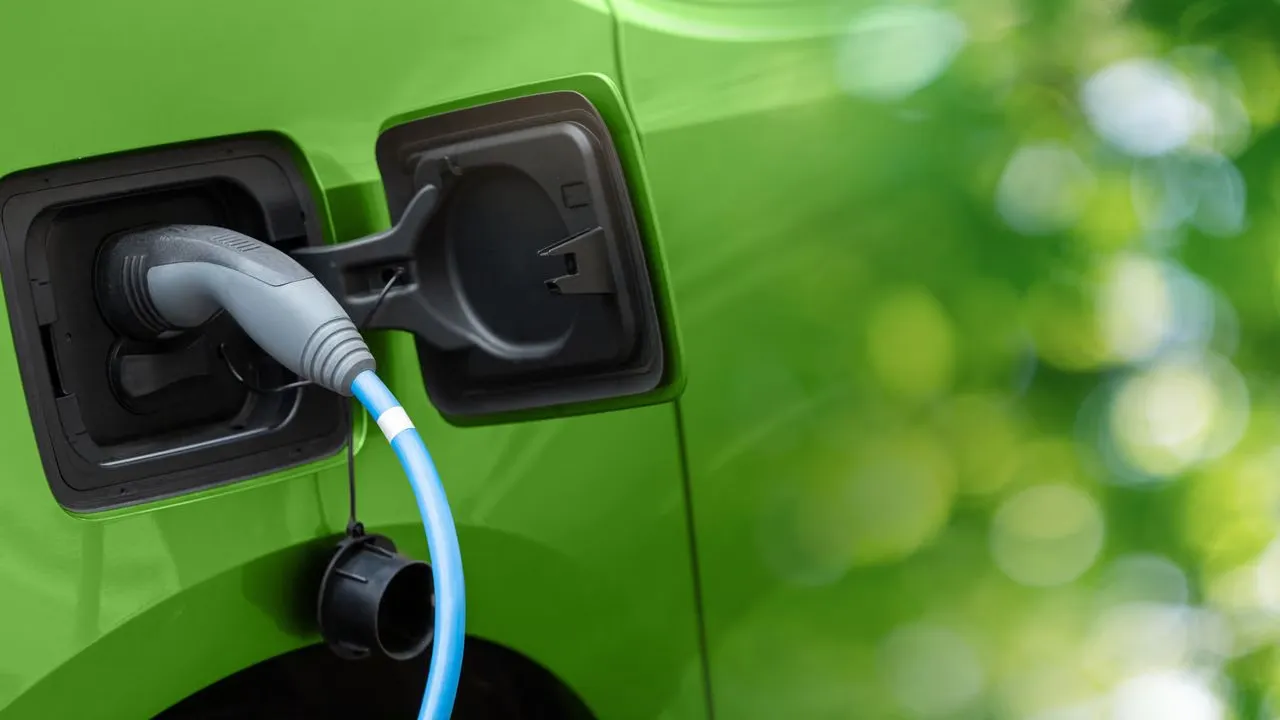
One important aspect of serviceability is the accessibility of charging station components. Charging stations should have easily accessible connectors, cables, and control units, allowing technicians to quickly identify and resolve any issues. Additionally, modular designs can facilitate the replacement of faulty components without the need to take the entire station offline.
Regular maintenance is also crucial for ensuring serviceability. Charging station operators should establish routine inspection and maintenance schedules to identify and address potential issues before they become major problems. This includes checking connectors for wear and tear, inspecting cables for damage, and testing control units for optimal performance.
Charging Station Load Management
Load management refers to the efficient distribution of electrical load across multiple charging stations. As the number of EVs on the road increases, it is important to prevent overloading of the electrical grid. Load management strategies help balance the demand for electricity and ensure that charging stations operate within their capacity.
One approach to load management is the implementation of smart charging algorithms. These algorithms take into account factors such as the availability of renewable energy sources, time of day, and grid capacity to optimize the charging process. By dynamically adjusting the charging rate based on these factors, load management systems can reduce the strain on the grid during peak demand periods.
Another aspect of load management is the integration of energy storage systems. By incorporating batteries into the charging infrastructure, excess energy can be stored during low-demand periods and used to supplement the grid during high-demand periods. This helps to smooth out the load on the grid and reduce the need for costly infrastructure upgrades.
Charging Station Fault Detection
Fault detection is crucial for maintaining the reliability and safety of charging stations. Timely detection and resolution of faults can prevent potential hazards and minimize downtime. Charging station operators should implement robust fault detection systems to ensure the smooth operation of their infrastructure.
One method of fault detection is the use of advanced monitoring systems. These systems continuously monitor various parameters such as voltage, current, and temperature to identify any abnormalities. In the event of a fault, the system can trigger an alert, allowing technicians to promptly address the issue.
Remote monitoring and diagnostics are also valuable tools for fault detection. By connecting charging stations to a centralized management platform, operators can remotely monitor the status of each station and receive real-time notifications of any faults. This enables quick response times and reduces the need for physical inspections.
Conclusion
Effective EV charging station management is essential for ensuring the efficient operation of charging infrastructure. By prioritizing serviceability, implementing load management strategies, and investing in robust fault detection systems, charging station operators can provide a reliable and convenient charging experience for EV owners. As the adoption of electric vehicles continues to grow, the importance of effective charging station management will only increase.