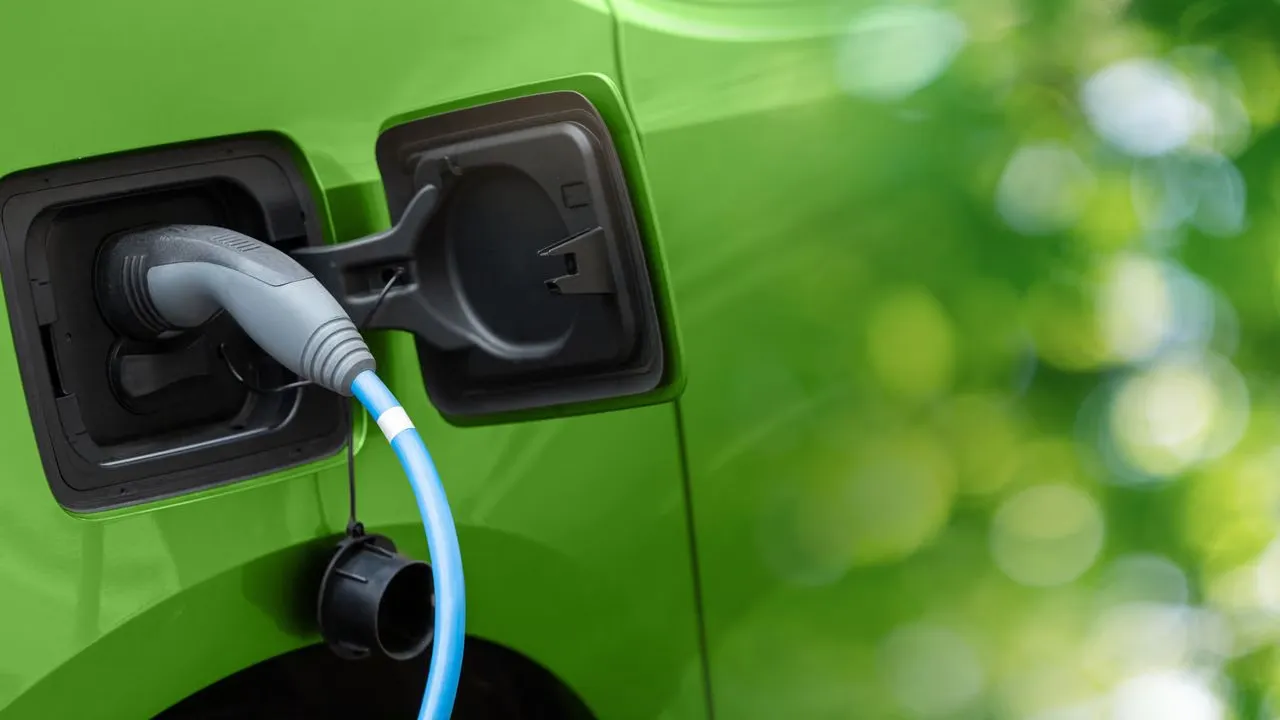


Efficient EV Charging Station Management
EV Charging Station Management: Streamlining Efficiency with Charging Station Alerts, Connectivity, and Scheduling
As the demand for electric vehicles (EVs) continues to rise, the need for efficient and reliable EV charging stations becomes increasingly important. To ensure the smooth operation and optimal utilization of these charging stations, effective management strategies are crucial. In this article, we will explore the key components of EV charging station management, focusing on charging station alerts, connectivity, and scheduling.
Charging Station Alerts
One of the primary challenges faced by EV charging station operators is the ability to promptly address any issues or disruptions that may occur. Charging station alerts play a vital role in keeping operators informed about the status of their charging stations in real-time. These alerts can be configured to notify operators about various events, such as:
- Charging station downtime
- Power outages
- Equipment malfunctions
- Network connectivity issues
By receiving timely alerts, operators can take immediate action to resolve any issues and minimize the impact on EV drivers. This proactive approach ensures that charging stations are consistently available and reliable, enhancing customer satisfaction and loyalty.
Charging Station Connectivity
Seamless connectivity is essential for effective EV charging station management. A robust and reliable network infrastructure allows operators to remotely monitor and control their charging stations, gather valuable data, and perform necessary maintenance tasks. Key features of charging station connectivity include:
- Real-time monitoring: Operators can monitor the status of each charging station, including availability, charging rates, and energy consumption.
- Remote diagnostics: Connectivity enables operators to remotely diagnose and troubleshoot issues, reducing the need for physical intervention.
- Software updates: Charging station software can be updated remotely, ensuring that stations are always equipped with the latest features and security patches.
By leveraging the power of connectivity, operators can streamline their operations, optimize charging station performance, and provide a seamless charging experience for EV drivers.
Charging Station Scheduling
Efficient scheduling of charging sessions is essential to maximize the utilization of EV charging stations. Charging station scheduling allows operators to manage the allocation of charging resources and ensure fair and equitable access for all EV drivers. Key benefits of charging station scheduling include:
- Optimized resource allocation: By implementing intelligent scheduling algorithms, operators can allocate charging sessions based on factors such as demand, charging rates, and driver preferences.
- Peak load management: Scheduling can help operators manage peak demand periods by encouraging EV drivers to charge during off-peak hours, reducing strain on the grid.
- Reservation system: A reservation system allows EV drivers to book charging slots in advance, ensuring they have guaranteed access to a charging station when needed.
By implementing effective charging station scheduling, operators can minimize waiting times, improve customer satisfaction, and ensure the efficient utilization of charging resources.
Conclusion
Effective management of EV charging stations is crucial to meet the growing demand for electric vehicles. Charging station alerts, connectivity, and scheduling are key components of a comprehensive management strategy. By leveraging real-time alerts, operators can promptly address any issues, ensuring the availability and reliability of charging stations. Seamless connectivity enables remote monitoring, diagnostics, and software updates, streamlining operations and enhancing the charging experience. Additionally, efficient scheduling optimizes resource allocation and manages peak demand periods, improving customer satisfaction and utilization. By implementing these management strategies, operators can ensure the smooth operation and optimal utilization of EV charging stations.