

Electric Cars in Commercial Fleets: Revolutionizing Transportation
Electric Cars in the Commercial and Fleet Sector: Revolutionizing Transportation
As the world continues to grapple with the challenges of climate change and the need for sustainable transportation, electric cars have emerged as a viable solution. While electric vehicles (EVs) have gained popularity in the consumer market, their potential in the commercial and fleet sector is also significant. This article explores the benefits of electric cars in commercial fleets and discusses fleet charging infrastructure, fleet electrification strategies, and fleet management.
The Rise of Electric Cars in Commercial Fleets
Commercial fleets, including delivery vehicles, taxis, and rideshare services, have traditionally relied on gasoline or diesel-powered vehicles. However, with advancements in battery technology and the increasing availability of charging infrastructure, electric cars are becoming an attractive option for fleet operators.
One of the key advantages of electric cars in commercial fleets is their lower operating costs. Electric vehicles have fewer moving parts and require less maintenance compared to internal combustion engines. They also benefit from lower fuel costs as electricity is generally cheaper than gasoline or diesel. Over time, these cost savings can significantly impact a fleet’s bottom line.
Moreover, electric cars produce zero tailpipe emissions, reducing the carbon footprint of commercial fleets. This aligns with the sustainability goals of many businesses and helps them meet regulatory requirements related to emissions reduction. By transitioning to electric vehicles, fleet operators can contribute to cleaner air and a healthier environment.
Fleet Charging Infrastructure
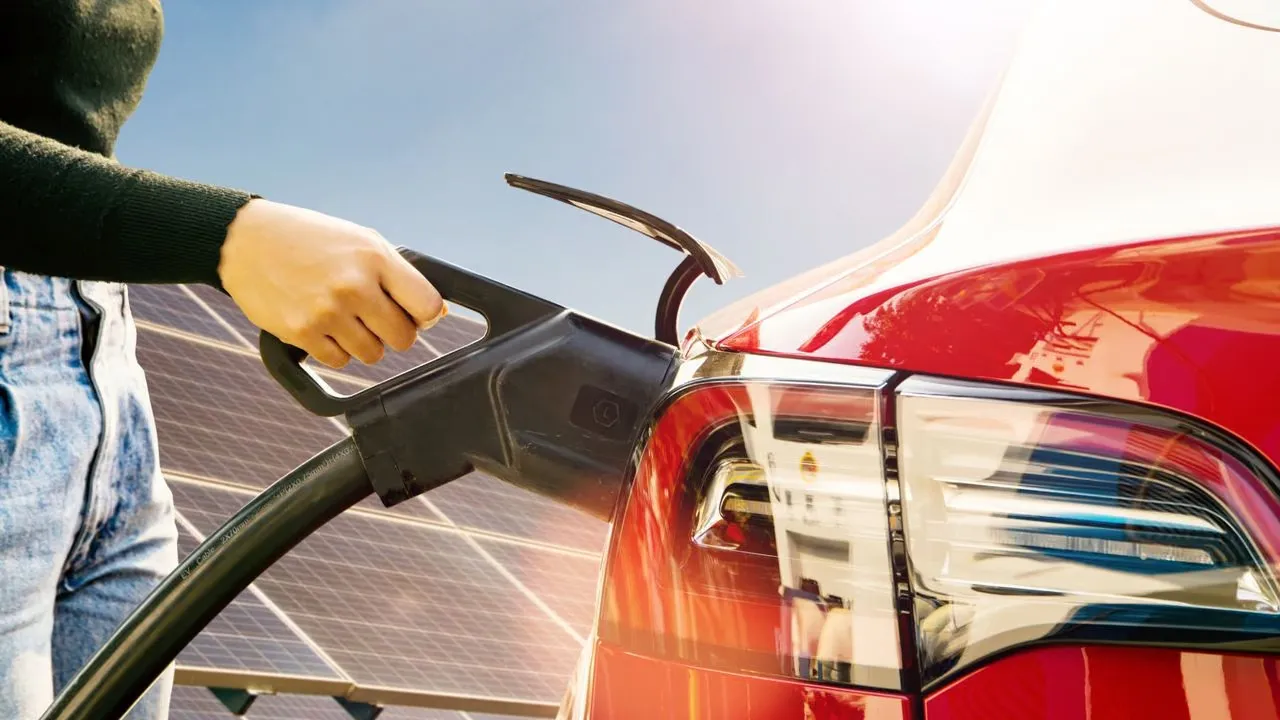
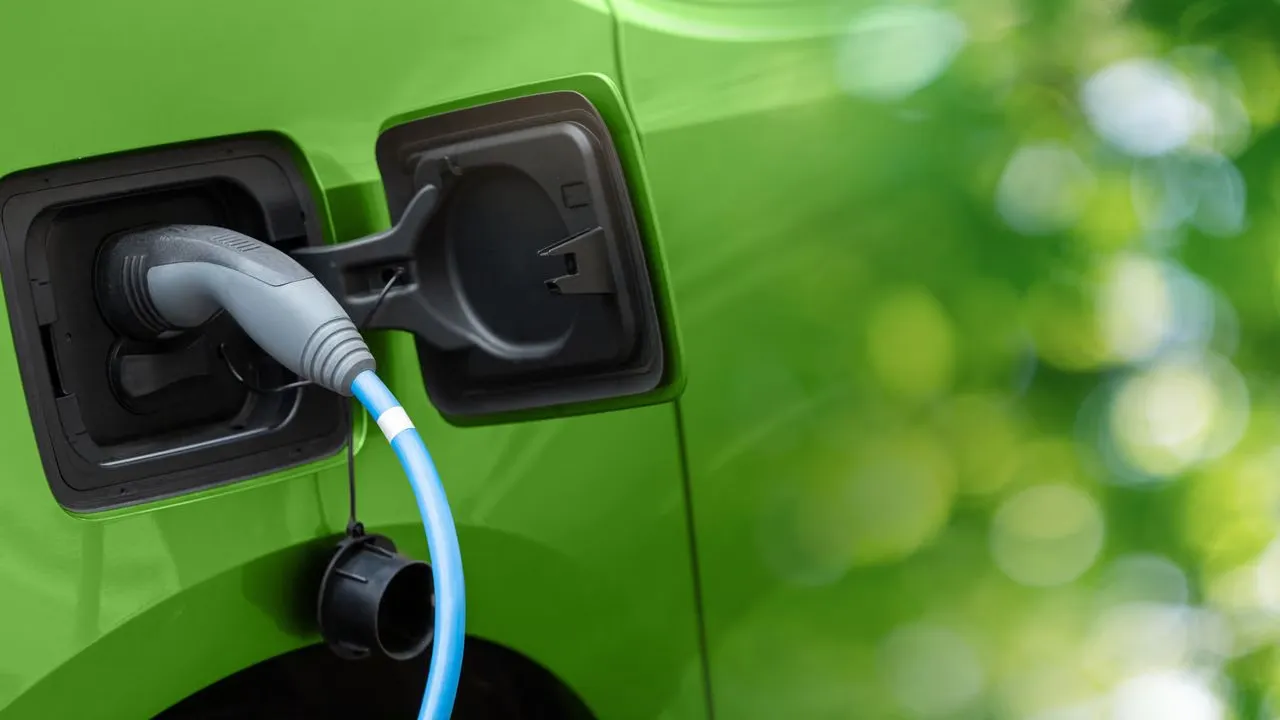
A robust charging infrastructure is essential for the widespread adoption of electric cars in commercial fleets. Fleet operators need to consider the availability and accessibility of charging stations to ensure uninterrupted operations.
Installing charging stations at fleet depots or dedicated charging hubs can provide a convenient and reliable source of power for electric vehicles. These charging points can be equipped with fast-charging technology, allowing fleet vehicles to recharge quickly during breaks or shift changes. Additionally, fleet operators can explore partnerships with public charging networks to expand their charging options.
Smart charging solutions, such as load management systems and vehicle-to-grid integration, can optimize the use of electricity and reduce the strain on the grid. These technologies enable fleet operators to schedule charging during off-peak hours, taking advantage of lower electricity rates and minimizing the impact on the local power infrastructure.
Fleet Electrification Strategies
Implementing a successful fleet electrification strategy requires careful planning and consideration. Fleet operators should assess their specific needs, including driving patterns, vehicle types, and charging requirements, to determine the optimal approach.
One common strategy is to start with a pilot program, introducing a small number of electric vehicles into the fleet to evaluate their performance and gather data. This allows fleet managers to identify any challenges and make informed decisions regarding the expansion of electric vehicles in the fleet.
Gradual fleet electrification can also be achieved by replacing the oldest and least efficient vehicles first. By prioritizing vehicles with high mileage and frequent stop-and-go driving, fleet operators can maximize the benefits of electric cars in terms of fuel efficiency and emissions reduction.
Fleet Management
Effective fleet management is crucial for the successful integration of electric cars into commercial fleets. Fleet managers need to consider factors such as vehicle range, charging infrastructure availability, and driver behavior to optimize operations.
Telematics systems can provide real-time data on vehicle performance, battery levels, and charging status. This information allows fleet managers to monitor and analyze the efficiency of electric vehicles, identify any issues, and make data-driven decisions to improve fleet performance.
Training and educating drivers about electric vehicle technology and charging protocols are also essential. By promoting responsible driving habits and efficient use of charging infrastructure, fleet managers can maximize the range and longevity of electric vehicles, ensuring their optimal performance.
Conclusion
Electric cars have the potential to revolutionize the commercial and fleet sector, offering cost savings, environmental benefits, and improved operational efficiency. With the right fleet charging infrastructure, electrification strategies, and effective fleet management, businesses can embrace electric vehicles and contribute to a sustainable future.