
Electric Cars in the Commercial Fleet Sector: A Sustainable Solution
Electric Cars in the Commercial and Fleet Sector: A Game-Changer for Sustainable Transportation
As the world continues to grapple with the challenges of climate change and the need for sustainable transportation, electric vehicles (EVs) have emerged as a game-changer in the commercial and fleet sector. With the growing availability of electric cars and advancements in technology, fleet electrification strategies are becoming more feasible and attractive for businesses.
The Rise of the Commercial EV Market
The commercial EV market has seen significant growth in recent years, driven by a combination of factors. Firstly, the increasing awareness of the environmental impact of traditional gasoline and diesel vehicles has led many businesses to seek greener alternatives. Electric cars offer a cleaner and more sustainable option, with zero tailpipe emissions and reduced carbon footprints.
Secondly, advancements in EV technology have improved the performance and range of electric cars, making them more suitable for commercial and fleet applications. The development of fast-charging infrastructure has also alleviated concerns about range anxiety, allowing businesses to confidently adopt electric vehicles for their operations.
Fleet Electrification Strategies
Implementing fleet electrification strategies requires careful planning and consideration. Businesses need to assess their specific needs and requirements to determine the most effective approach. Here are some key strategies to consider:
1. Pilot Programs and Vehicle Testing
Before fully committing to electric vehicles, businesses can start by running pilot programs and testing a few EVs in their fleet. This allows them to evaluate the performance, charging infrastructure requirements, and operational feasibility of electric cars in their specific context.
2. Charging Infrastructure Development
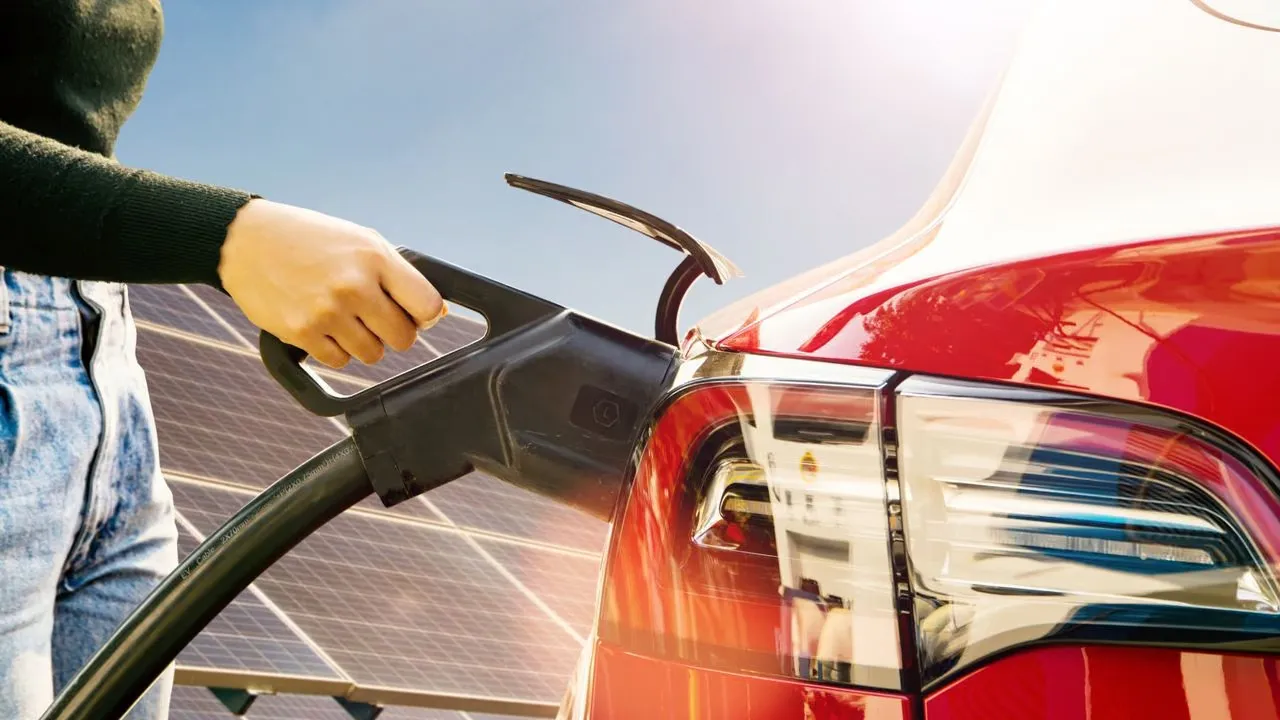
Investing in charging infrastructure is crucial for successful fleet electrification. Businesses should assess their charging needs and consider installing charging stations at their facilities or partnering with public charging networks. This ensures that vehicles can be charged conveniently and efficiently, minimizing downtime.
3. Vehicle Selection and Range Considerations
Choosing the right electric vehicles for a fleet is essential. Factors to consider include the range of the vehicles, cargo capacity, and charging capabilities. Understanding the specific requirements of the fleet’s operations will help businesses select the most suitable electric cars for their needs.
4. Financial Incentives and Grants
Many governments and local authorities offer incentives and grants to encourage the adoption of electric vehicles in the commercial sector. Businesses should explore these opportunities to offset the initial costs of purchasing electric cars and installing charging infrastructure. These incentives can significantly reduce the upfront investment required for fleet electrification.
Fleet Vehicle Incentives
Several incentives are available to businesses looking to transition their fleet to electric vehicles. These incentives vary by region and can include:
- Tax credits or rebates on the purchase of electric vehicles
- Grants for the installation of charging infrastructure
- Lower registration fees for electric vehicles
- Access to HOV lanes and toll discounts
- Financial incentives for retiring older, polluting vehicles
These incentives not only help businesses offset the initial costs but also provide ongoing financial benefits through reduced fuel and maintenance expenses.
The Future of Electric Vehicles in the Commercial and Fleet Sector
As technology continues to advance and the infrastructure for electric vehicles improves, the future looks promising for electric cars in the commercial and fleet sector. The benefits of reduced emissions, lower operating costs, and improved public perception make electric vehicles an attractive option for businesses.
However, challenges such as the availability of charging infrastructure, vehicle range, and upfront costs still need to be addressed. Governments, businesses, and stakeholders must work together to overcome these obstacles and accelerate the transition to a sustainable transportation system.
Ultimately, the widespread adoption of electric vehicles in the commercial and fleet sector will play a crucial role in reducing greenhouse gas emissions and creating a cleaner, more sustainable future.