
Electric Cars in the Commercial Fleet Sector: Revolutionizing Performance
Electric Cars in the Commercial and Fleet Sector: Revolutionizing Fleet Vehicle Performance
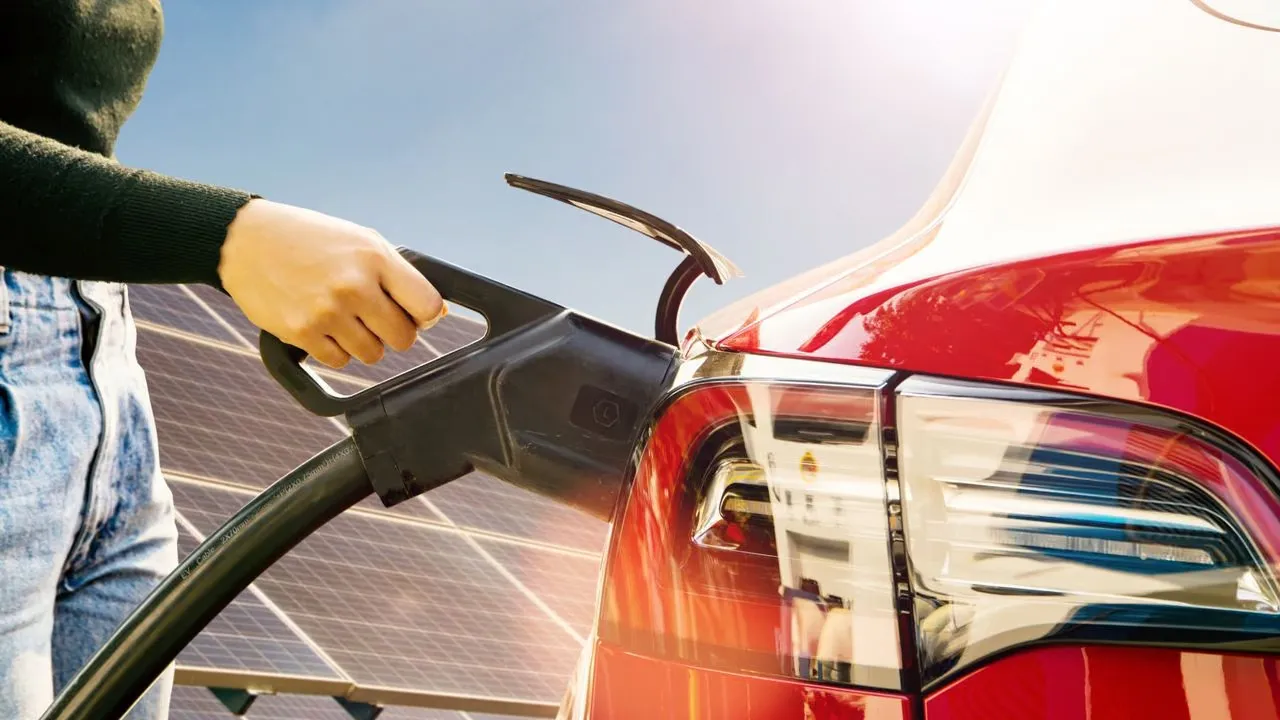
Electric cars have been making waves in the consumer market for quite some time now, but their impact in the commercial and fleet sector is equally significant. With the increasing focus on sustainability and reducing carbon emissions, fleet electrification strategies have gained momentum, and electric vehicles (EVs) are becoming the go-to choice for businesses looking to enhance their environmental performance.
Benefits of Electric Fleet Vehicles
When it comes to fleet vehicle performance, electric cars offer several advantages over their traditional counterparts. Let’s take a closer look at some of these benefits:
- Lower Operating Costs: Electric vehicles have lower operating costs compared to internal combustion engine (ICE) vehicles. With fewer moving parts and no need for oil changes, EVs require less maintenance, resulting in reduced maintenance and repair expenses.
- Reduced Fuel Costs: One of the most significant advantages of electric fleet vehicles is the cost savings on fuel. Electricity is generally cheaper than gasoline or diesel, allowing businesses to save a considerable amount on their fuel expenses.
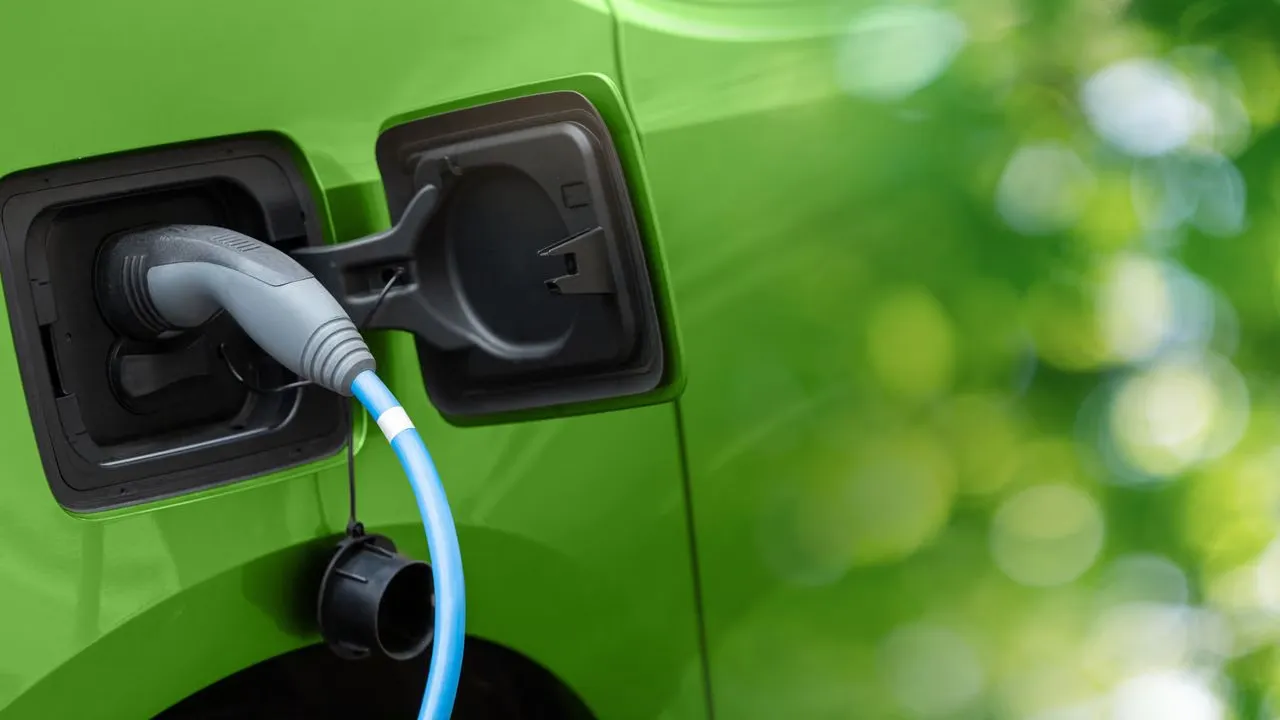
- Environmental Sustainability: Electric cars produce zero tailpipe emissions, making them an eco-friendly alternative to traditional vehicles. By transitioning to electric fleet vehicles, businesses can significantly reduce their carbon footprint and contribute to a cleaner and greener future.
- Improved Performance: Electric vehicles offer instant torque, providing quick acceleration and smooth driving experience. This can be particularly beneficial for businesses that require efficient and reliable transportation for their operations.
- Government Incentives: Many governments around the world offer incentives and subsidies to businesses adopting electric fleet vehicles. These incentives can further reduce the upfront costs and make the transition to electric more financially viable.
Electric Delivery Vans: A Game-Changer in the Fleet Sector
One area where electric vehicles are making a significant impact in the fleet sector is in the realm of delivery vans. Electric delivery vans offer several advantages that make them an attractive choice for businesses:
- Reduced Operating Costs: Delivery vans often cover long distances, resulting in high fuel consumption. By switching to electric delivery vans, businesses can save a substantial amount on fuel costs, contributing to overall cost reduction.
- Efficient Last-Mile Delivery: Electric delivery vans are well-suited for last-mile delivery, which is the final leg of the delivery process. With their quiet operation and zero tailpipe emissions, electric vans can navigate urban areas more efficiently, reducing noise pollution and improving air quality.
- Enhanced Brand Image: As sustainability becomes an increasingly important factor for consumers, businesses that adopt electric delivery vans can enhance their brand image and appeal to eco-conscious customers.
- Regenerative Braking: Electric vans often come equipped with regenerative braking technology, which allows them to recover energy while braking. This feature not only improves the overall efficiency of the vehicle but also extends the range, making it more practical for delivery operations.
Implementing Fleet Electrification Strategies
Transitioning a fleet to electric vehicles requires careful planning and consideration. Here are some key steps to implement effective fleet electrification strategies:
- Assessing Fleet Needs: Begin by evaluating your fleet’s specific requirements. Consider factors such as vehicle range, charging infrastructure availability, and operational needs to determine the most suitable electric vehicles for your fleet.
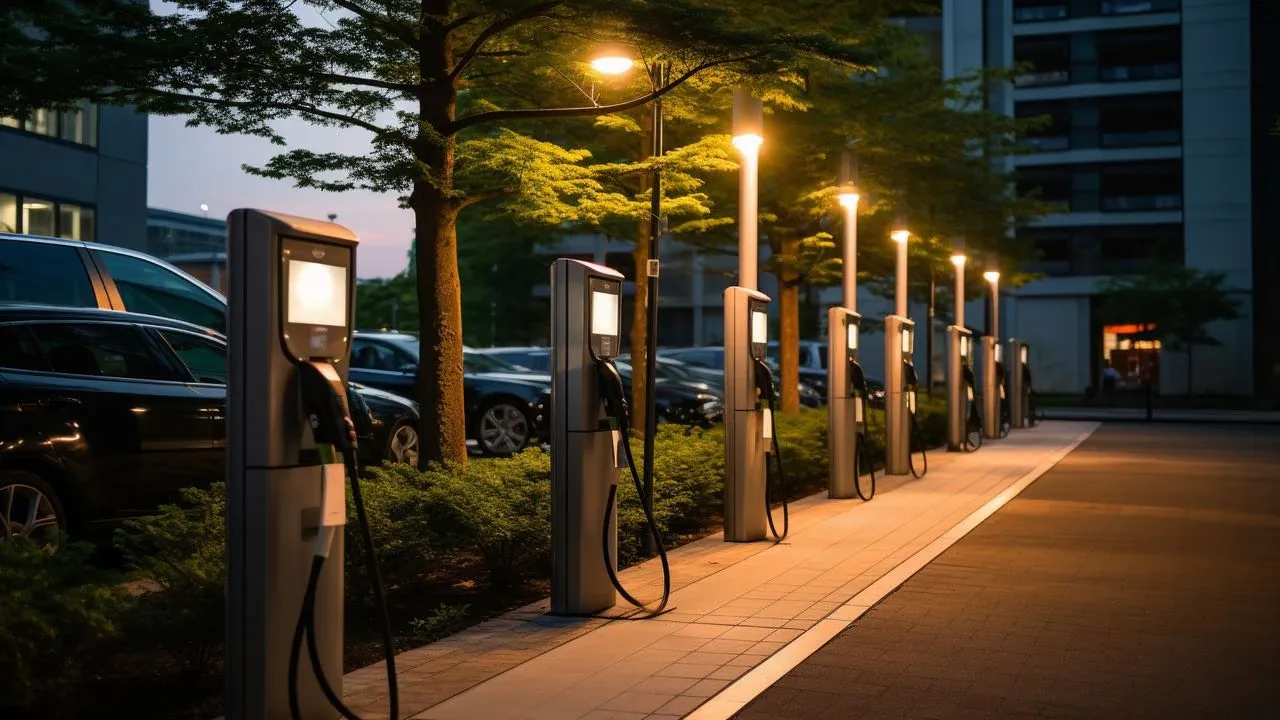
- Investing in Charging Infrastructure: Installing adequate charging infrastructure is crucial for the successful adoption of electric fleet vehicles. Assess your charging needs and work with experts to design a charging network that meets the demands of your fleet.
- Training and Education: Ensure that your drivers and maintenance staff receive proper training on electric vehicle operations and maintenance. Familiarize them with charging protocols, range management, and other essential aspects of electric fleet vehicles.
- Monitoring and Optimization: Implement a robust monitoring system to track vehicle performance, charging patterns, and energy consumption. Analyzing this data can help identify areas for optimization and further enhance fleet efficiency.
- Collaboration and Knowledge Sharing: Engage with industry experts, fleet managers, and other businesses that have already adopted electric fleet vehicles. Sharing experiences and best practices can help overcome challenges and accelerate the transition to electric.
Electric cars have the potential to revolutionize the commercial and fleet sector, offering numerous benefits in terms of performance, cost savings, and sustainability. As businesses increasingly recognize the advantages of electric fleet vehicles, the future looks promising for a greener and more efficient fleet industry.