
Electric Cars: Revolutionizing Mobility with Battery Technology
Overview of Electric Cars: Revolutionizing Electric Mobility
Electric vehicles (EVs) have become a hot topic in recent years, as the world seeks cleaner and more sustainable modes of transportation. With advancements in battery technology, electric cars are gaining popularity and are poised to revolutionize the way we move. In this article, we will explore the basics of electric mobility and delve into the fascinating world of EVs.
Electric Mobility: A Sustainable Solution
Electric mobility refers to the use of electric vehicles as an alternative to traditional gasoline-powered cars. EVs are powered by electricity stored in high-capacity batteries, eliminating the need for fossil fuels and reducing harmful emissions. This shift towards electric mobility is a crucial step in combating climate change and improving air quality.
Battery Technology: The Driving Force
At the heart of electric vehicles lies battery technology. These advanced batteries store and provide the energy needed to power the car. The most common type of battery used in EVs is the lithium-ion battery. Lithium-ion batteries are known for their high energy density, which allows them to store large amounts of energy in a compact size.
Furthermore, advancements in battery technology have significantly improved the range and performance of electric cars. Modern EVs can now travel hundreds of miles on a single charge, making them a viable option for daily commutes and long-distance travel.
The Benefits of Electric Cars
There are numerous benefits associated with electric cars, making them an attractive choice for eco-conscious consumers. Here are some key advantages:
- Environmental Friendliness: Electric vehicles produce zero tailpipe emissions, reducing greenhouse gas emissions and air pollution.
- Energy Efficiency: EVs convert a higher percentage of the energy stored in their batteries into actual driving power, making them more energy-efficient than internal combustion engine vehicles.
- Lower Operating Costs: Electric cars have lower fuel and maintenance costs compared to traditional vehicles, as electricity is generally cheaper than gasoline and EVs have fewer moving parts.
- Government Incentives: Many governments offer incentives such as tax credits and rebates to promote the adoption of electric vehicles, making them more affordable for consumers.
The Future of Electric Cars
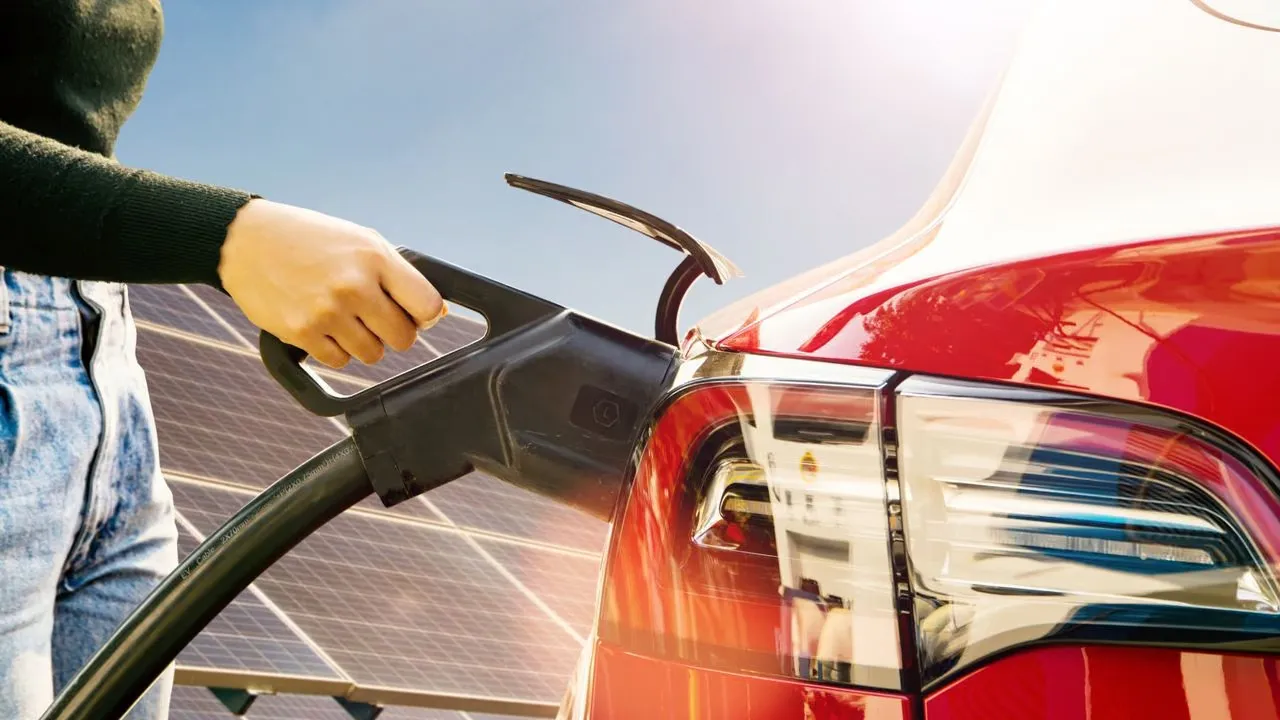
The future of electric cars looks promising. With ongoing research and development, battery technology continues to improve, leading to longer ranges, faster charging times, and more affordable EVs. Additionally, advancements in renewable energy sources, such as solar and wind power, are making charging infrastructure more sustainable and accessible.
As electric vehicles become more mainstream, we can expect to see a significant reduction in greenhouse gas emissions and a shift towards a greener and more sustainable transportation system.
Conclusion
Electric cars and electric mobility are transforming the way we think about transportation. With their environmental benefits, energy efficiency, and improving battery technology, EVs are poised to revolutionize the automotive industry. As consumers, embracing electric mobility can contribute to a cleaner and greener future for generations to come.