

Electric Vehicle Charging at Home: Options & Considerations
Electric Vehicle Charging at Home: Options and Considerations
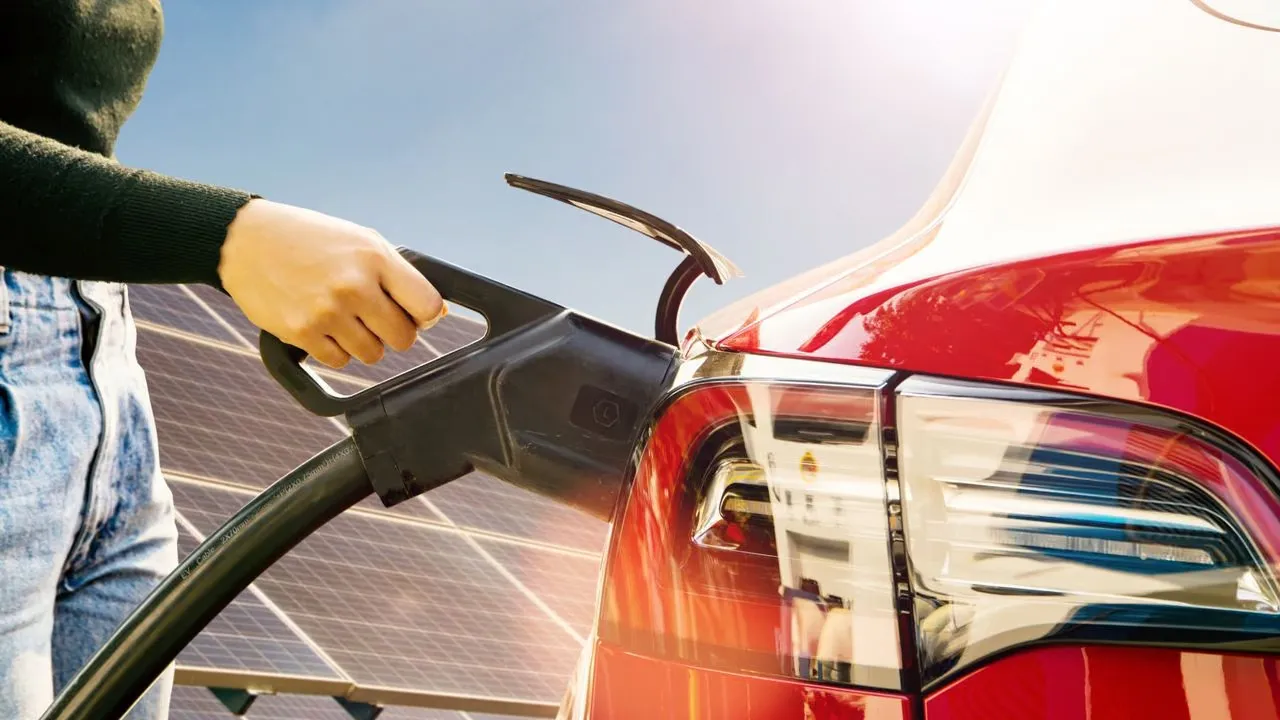
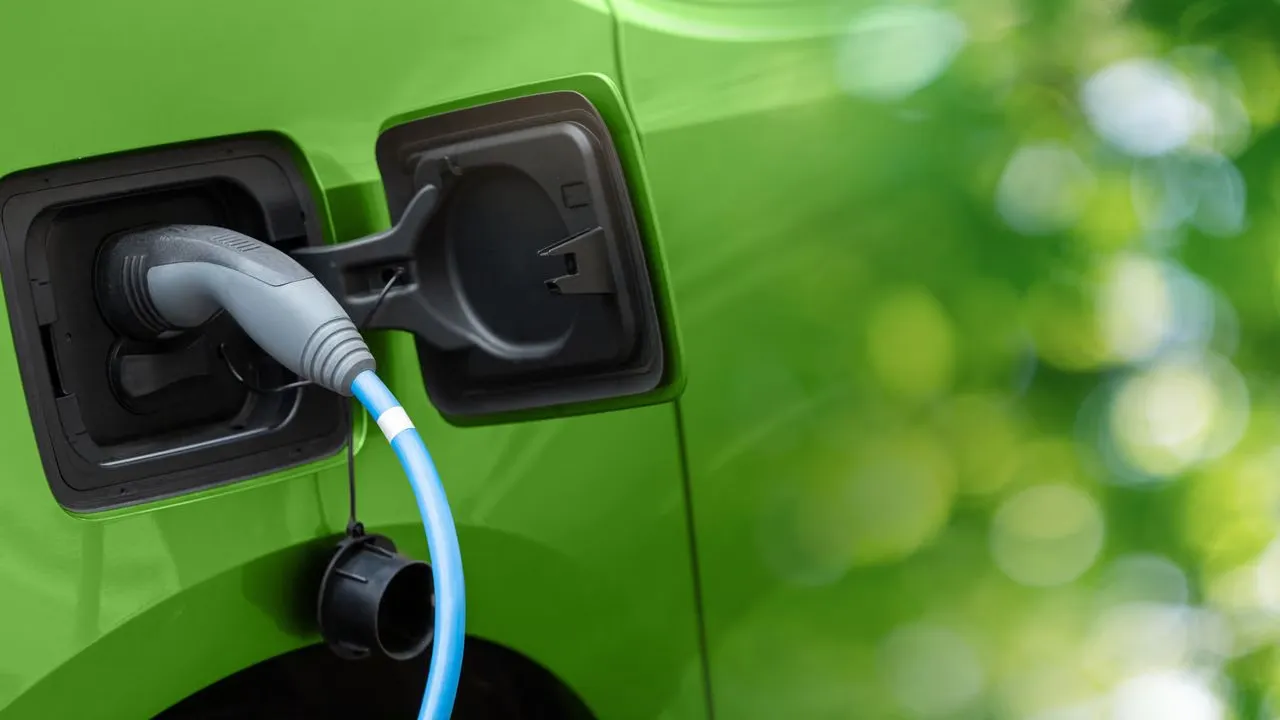
With the increasing popularity of electric vehicles (EVs), more and more people are considering installing home charging stations. Having a charging station at home provides convenience and peace of mind, knowing that your vehicle will always be ready to go. In this article, we will explore the different options for home charging and the important considerations to keep in mind.
1. Home Charging Options
When it comes to home charging, there are a few options to choose from:
- Level 1 Charging: This is the simplest and most affordable option. It involves plugging your EV into a standard household outlet using the charging cord that comes with your vehicle. Level 1 charging typically provides around 4-5 miles of range per hour of charging, so it’s best suited for those who have shorter daily commutes or don’t drive long distances frequently.
- Level 2 Charging: This option requires the installation of a dedicated charging station that operates on a higher voltage (240 volts). Level 2 charging provides faster charging speeds, typically adding around 25-30 miles of range per hour. It is ideal for those who have longer commutes or need to charge their vehicle more quickly.
- Level 3 Charging (DC Fast Charging): This is the fastest charging option available, but it requires specialized equipment and is typically only found at public charging stations. Level 3 charging can provide up to 80% charge in as little as 30 minutes, making it suitable for long-distance travel or when you need a quick top-up.
2. Smart Home Integration
One of the advantages of home charging is the ability to integrate it with your smart home system. Smart home integration allows you to monitor and control your charging station remotely using a smartphone app or voice commands. You can schedule charging during off-peak hours when electricity rates are lower, track your energy usage, and even receive notifications when charging is complete. This level of control and convenience makes smart home integration a popular choice for EV owners.
3. Charging Regulations
Before installing a home charging station, it’s important to familiarize yourself with any local regulations or requirements. Some areas may have specific permitting or inspection processes that need to be followed. Additionally, you may need to consider the electrical capacity of your home and whether any upgrades are necessary to support the charging station.
It’s also worth noting that some utility companies offer special rates or incentives for EV owners. These programs can help you save money on your electricity bill and encourage off-peak charging to reduce strain on the grid. Contact your utility provider to inquire about any available programs in your area.
Conclusion
Having a home charging station for your electric vehicle offers convenience and flexibility. Whether you choose level 1, level 2, or even level 3 charging, it’s important to consider your daily driving needs and the charging speeds required. Smart home integration can further enhance the experience by providing remote control and monitoring capabilities. Lastly, be sure to understand any local regulations and explore potential utility company incentives to make the most of your home charging setup.