
Electric Vehicle Market Growth and Projections
Electric Vehicle Market Growth and Projections: Navigating Market Competition, Sales Projections, and Market Challenges
Electric vehicles (EVs) have been gaining significant traction in recent years, with a growing number of consumers and governments recognizing the importance of transitioning to more sustainable transportation options. As a result, the electric vehicle market has witnessed remarkable growth, and projections indicate that this trend is set to continue. However, this growth is not without its fair share of challenges and market competition.
Market Competition: A Driving Force for Innovation
The electric vehicle market is becoming increasingly competitive, with both established automakers and new entrants vying for a slice of the pie. This competition is a positive driver for innovation, as manufacturers strive to differentiate themselves and attract consumers with unique features and capabilities.
Established automakers such as Tesla, Nissan, and Chevrolet have already made significant strides in the electric vehicle market. Tesla, in particular, has been a game-changer, not only with its electric vehicles but also with its charging infrastructure. This competition has forced other manufacturers to up their game and invest in research and development to stay relevant.
Moreover, new players like Rivian, Lucid Motors, and NIO are emerging, bringing fresh ideas and technologies to the market. Their entry into the electric vehicle space adds further competition, driving the industry forward and pushing for more affordable and efficient EV options.
Sales Projections: A Promising Future
The sales projections for electric vehicles are highly optimistic, indicating a promising future for the market. According to a report by BloombergNEF, global electric vehicle sales are expected to reach 8.5 million units by 2025, and a staggering 54 million units by 2040.
Several factors contribute to these positive sales projections. Firstly, governments worldwide are implementing stricter emission regulations and providing incentives to promote electric vehicle adoption. These policies, coupled with growing environmental awareness among consumers, are driving the demand for EVs.
Secondly, advancements in battery technology are making electric vehicles more practical and affordable. The cost of batteries has been declining rapidly, making electric vehicles a viable option for a wider range of consumers. As battery technology continues to improve, the range and charging time of EVs are also getting better, addressing the concerns of potential buyers.
Market Challenges: Overcoming Barriers to Growth
While the electric vehicle market is growing rapidly, it still faces several challenges that need to be addressed for sustained growth.
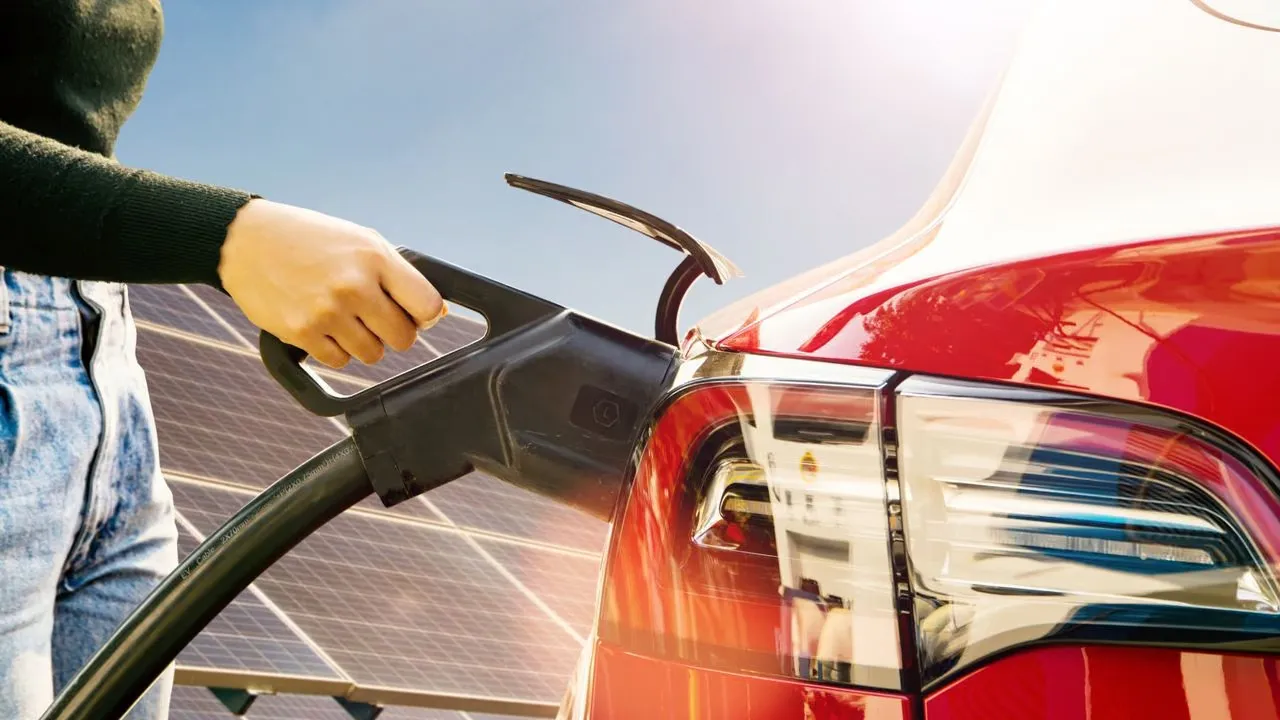
One of the main challenges is the lack of charging infrastructure. For electric vehicles to become mainstream, a robust and widespread charging network is essential. Governments and private entities need to invest in expanding charging infrastructure to alleviate range anxiety and encourage more people to switch to electric vehicles.
Another challenge is the higher upfront cost of electric vehicles compared to their internal combustion counterparts. Although the cost of EVs has been decreasing, it still remains a barrier for many potential buyers. Governments and manufacturers need to work together to make electric vehicles more affordable through incentives and economies of scale.
Furthermore, the limited availability of certain models and long waiting times can deter some consumers from purchasing electric vehicles. Automakers need to ramp up production and ensure an adequate supply of EVs to meet the growing demand.
In Conclusion
The electric vehicle market is experiencing significant growth, driven by market competition, positive sales projections, and increasing consumer demand for sustainable transportation options. However, challenges such as the need for charging infrastructure, affordability, and supply constraints must be addressed to ensure the continued growth and success of the electric vehicle industry.