

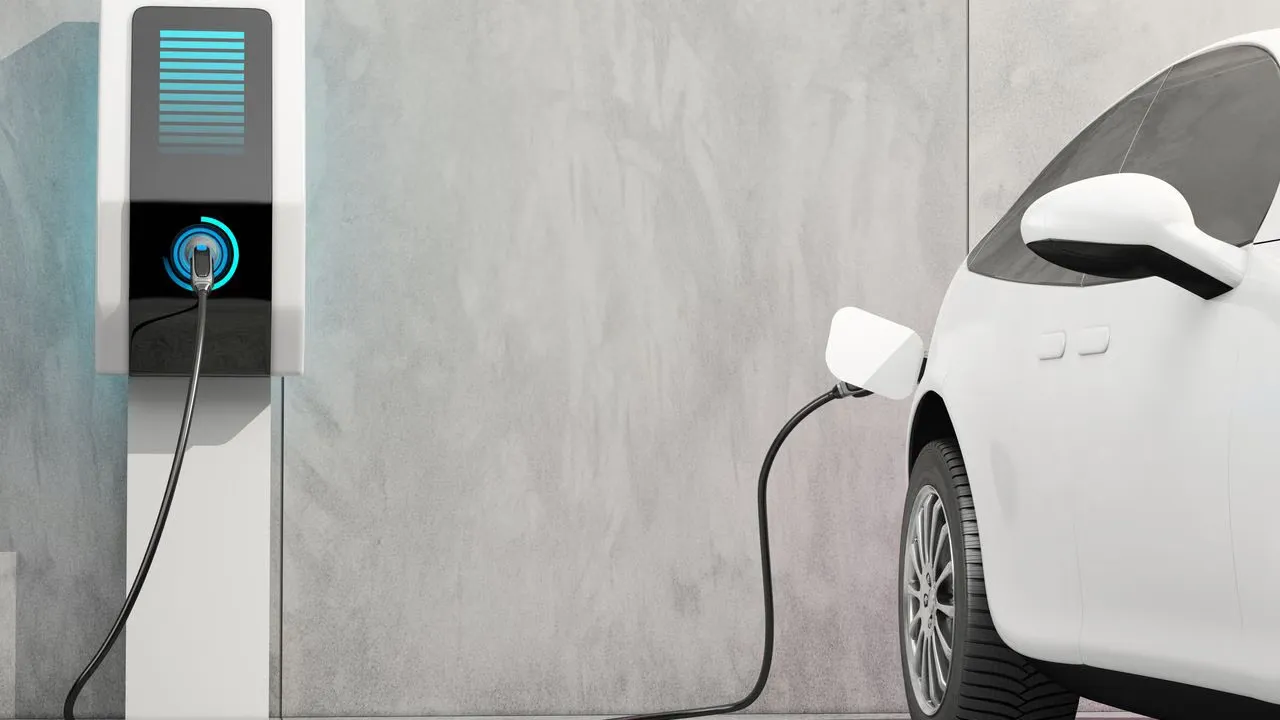
EV Charging Infrastructure Monitoring: Ensuring Serviceability and Access Control
EV Charging Infrastructure Monitoring: Ensuring Serviceability and Access Control
As the adoption of electric vehicles (EVs) continues to rise, the need for a reliable and efficient charging infrastructure becomes paramount. EV charging infrastructure monitoring plays a crucial role in ensuring the serviceability and access control of these charging stations. In this article, we will explore the importance of monitoring, the key aspects it encompasses, and the role of service-level agreements (SLAs) in maintaining a robust charging network.
Charging Infrastructure Serviceability
Serviceability refers to the ability of the charging infrastructure to provide uninterrupted charging services to EV owners. Monitoring the serviceability of charging stations involves real-time tracking of various parameters such as power availability, charging speed, and station uptime. By continuously monitoring these factors, operators can identify and address any potential issues promptly, minimizing downtime and maximizing customer satisfaction.
One of the critical aspects of serviceability monitoring is the ability to detect and resolve charging station faults. This can be achieved through remote monitoring systems that provide real-time alerts for any malfunctions or errors. By proactively addressing these issues, operators can ensure that their charging infrastructure remains operational and reliable, reducing the risk of inconveniencing EV owners.
Charging Infrastructure Access Control
Access control is another crucial aspect of EV charging infrastructure monitoring. As the number of EVs on the road increases, it becomes essential to manage and regulate access to charging stations effectively. Monitoring access control involves tracking user authentication, payment processing, and station availability.
By implementing access control systems, operators can ensure that only authorized users can access the charging infrastructure. This helps prevent misuse or unauthorized usage of charging stations, ensuring that they are available to those who genuinely need them. Monitoring access control also enables operators to gather valuable data on charging patterns, user behavior, and station utilization, which can be used to optimize the charging network and plan for future expansion.
Charging Infrastructure Service-Level Agreements
Service-level agreements (SLAs) are contractual agreements between EV charging infrastructure operators and service providers. These agreements define the expected level of service and performance metrics that the charging infrastructure must meet. Monitoring plays a critical role in ensuring compliance with SLAs and maintaining a high level of service.
By monitoring key performance indicators (KPIs) defined in SLAs, operators can track and measure the performance of their charging infrastructure. These KPIs may include factors such as uptime, response time for fault resolution, and customer satisfaction. Regular monitoring allows operators to identify any deviations from the agreed-upon SLAs and take corrective actions to meet the desired service levels.
Additionally, monitoring can help operators identify areas for improvement and optimize the charging infrastructure’s performance. By analyzing data collected through monitoring systems, operators can identify trends, patterns, and potential bottlenecks. This information can be used to make informed decisions regarding infrastructure upgrades, maintenance schedules, and capacity planning.
Conclusion
EV charging infrastructure monitoring is essential for ensuring the serviceability and access control of charging stations. By continuously monitoring the serviceability of charging stations, operators can address faults promptly and minimize downtime. Access control monitoring helps regulate usage and gather valuable data for network optimization. Finally, monitoring SLA compliance ensures that the charging infrastructure meets the expected service levels. With robust monitoring systems in place, operators can provide a reliable and efficient charging experience for EV owners, contributing to the widespread adoption of electric vehicles.