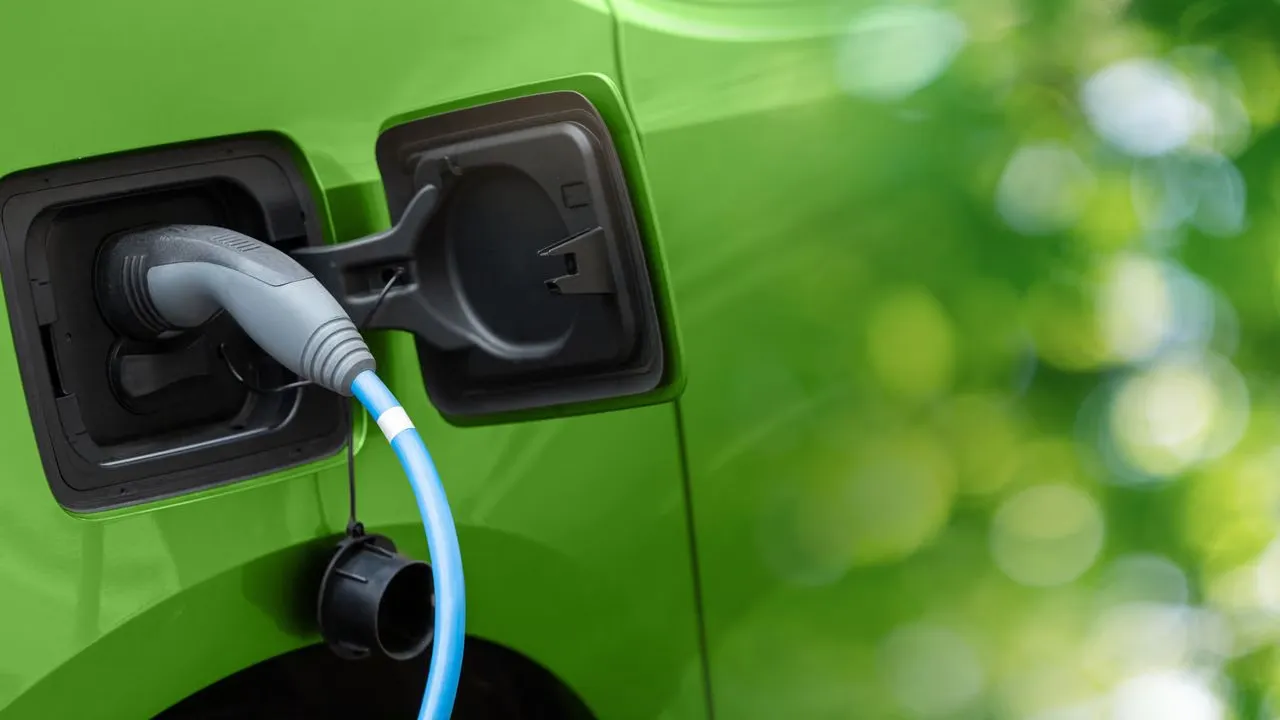


EV Charging Network Management: Security, Utilization, Availability
EV Charging Network Management: Ensuring Security, Utilization, and Availability
As electric vehicles (EVs) become increasingly popular, the need for a robust and efficient charging network management system has become paramount. EV charging network management involves various aspects, including charging network security, utilization, and availability. In this article, we will delve into these crucial factors and their significance in ensuring a seamless experience for EV owners.
Charging Network Security
One of the primary concerns for EV charging network operators is ensuring the security of their infrastructure. With the rising number of EVs on the road, charging stations have become attractive targets for hackers and cybercriminals.
To mitigate these risks, charging network operators employ various security measures. These include implementing secure communication protocols, encrypting data transmission, and regularly updating and patching software systems. Additionally, charging stations are equipped with tamper-proof hardware and authentication mechanisms to prevent unauthorized access.
By prioritizing charging network security, operators can safeguard the privacy and safety of EV owners while maintaining the integrity of the charging infrastructure.
Charging Network Utilization
Efficient utilization of the charging network is crucial to meet the increasing demand for EV charging. Charging stations should be strategically located to ensure convenient access for EV owners, reducing congestion and wait times.
Charging network management systems employ advanced algorithms and real-time data analysis to optimize charging station utilization. By analyzing historical usage patterns and monitoring charging station availability, operators can identify peak demand periods and plan accordingly. This enables them to allocate resources efficiently, ensuring that charging stations are not overwhelmed during high-demand periods.
Moreover, charging network management systems can provide EV owners with real-time information about the availability of charging stations. This allows them to plan their journeys and avoid unnecessary delays.
Charging Network Availability
Ensuring the availability of charging stations is crucial for EV owners, as it directly impacts their ability to travel long distances without range anxiety. A well-managed charging network should provide a sufficient number of charging stations along popular routes, enabling seamless long-distance travel for EV owners.
Charging network operators employ predictive analytics to identify areas with high EV traffic and deploy charging stations accordingly. By monitoring charging station usage and analyzing data, operators can identify areas where additional charging infrastructure is needed.
Furthermore, charging network management systems can provide real-time updates to EV owners regarding the availability of nearby charging stations. This information allows EV owners to plan their routes and make informed decisions about when and where to charge their vehicles.
Conclusion
EV charging network management plays a vital role in ensuring the security, utilization, and availability of charging stations. By implementing robust security measures, optimizing charging station utilization, and strategically deploying charging infrastructure, operators can provide a seamless charging experience for EV owners.
As the popularity of EVs continues to grow, the importance of effective charging network management cannot be overstated. By prioritizing security, utilization, and availability, operators can contribute to the widespread adoption of electric vehicles and the transition to a sustainable future.