
EV Charging Network Management: Uptime, Billing, Optimization
EV Charging Network Management: Ensuring Uptime, Optimizing Billing, and Improving Efficiency
Electric vehicles (EVs) are gaining popularity worldwide as a sustainable and eco-friendly mode of transportation. As the number of EVs on the road continues to grow, the need for a reliable and efficient EV charging network becomes increasingly important. Managing an EV charging network involves several key factors, including ensuring uptime, optimizing billing processes, and improving overall network efficiency.
Charging Network Uptime: Keeping EVs on the Move
One of the primary concerns for EV owners is the availability of charging stations. Just like traditional gas stations, EV charging stations need to be operational and accessible at all times. Charging network uptime refers to the ability of a charging network to remain functional and provide uninterrupted service to EV users.
Ensuring charging network uptime involves proactive maintenance and monitoring. Regular inspections and maintenance checks help identify and resolve any issues before they cause a disruption in service. Additionally, implementing remote monitoring systems allows operators to detect faults or malfunctions in real-time, enabling swift action to rectify the problem.
Moreover, it is essential to have a robust backup power supply in place to minimize downtime during power outages. Incorporating battery storage systems or backup generators can help maintain charging network uptime even in adverse conditions.
Charging Network Billing: Simplifying the Process
Efficient billing processes are crucial for both charging network operators and EV owners. Simplifying the billing process helps eliminate confusion and ensures accurate and timely payments. It also encourages the growth of the EV market by providing a seamless user experience.
Charging network billing can be optimized by implementing user-friendly payment options, such as mobile apps or contactless payment systems. These methods allow EV owners to easily pay for charging services without the hassle of carrying physical cards or cash.
Furthermore, transparent and straightforward pricing models should be adopted to avoid any ambiguity. Clear communication of pricing structures, including kWh rates or flat fees, helps build trust and encourages more EV owners to utilize the charging network.
Integration with existing payment platforms, such as digital wallets or mobile banking apps, can also streamline the billing process. This integration enables automatic payment deductions, reducing the need for manual transactions and minimizing the chances of errors.
Charging Network Optimization: Improving Efficiency
Optimizing an EV charging network involves maximizing its efficiency and minimizing operational costs. By adopting smart technologies and implementing data-driven strategies, charging network operators can improve overall network performance.
One way to optimize a charging network is through load management. By analyzing historical data and predicting charging patterns, operators can distribute the load across different charging stations and time slots. This approach helps prevent overloading and ensures that charging stations are utilized efficiently.
Additionally, implementing dynamic pricing models can incentivize EV owners to charge their vehicles during off-peak hours. This strategy helps balance the load on the network and reduces the strain during peak demand periods.
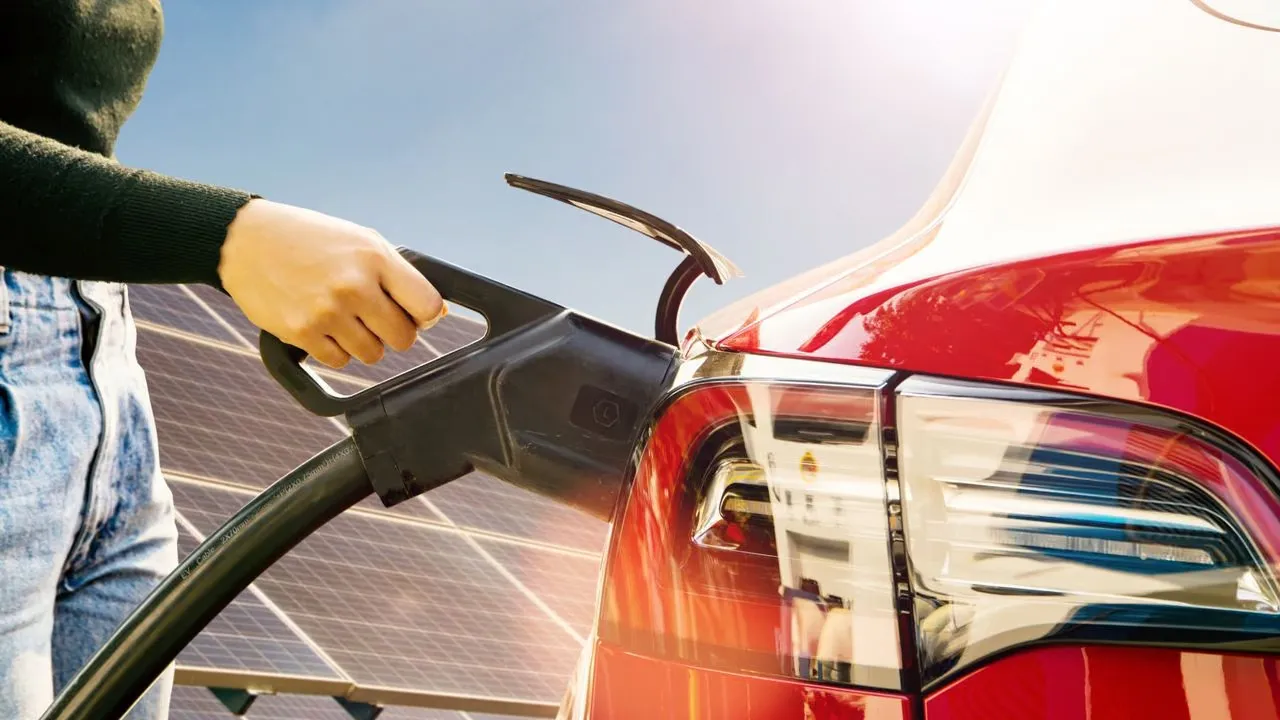
Furthermore, integrating renewable energy sources, such as solar panels or wind turbines, into the charging network can reduce dependence on the grid. This not only promotes sustainability but also helps lower operating costs in the long run.
Conclusion
Managing an EV charging network involves various aspects, including ensuring uptime, optimizing billing processes, and improving overall network efficiency. By prioritizing these factors, charging network operators can provide a reliable and user-friendly experience for EV owners, thereby encouraging the widespread adoption of electric vehicles.