
EV Charging Platform Analytics: Unleashing Data Power
EV Charging Platform Analytics: Unlocking the Power of Charging Platform Data
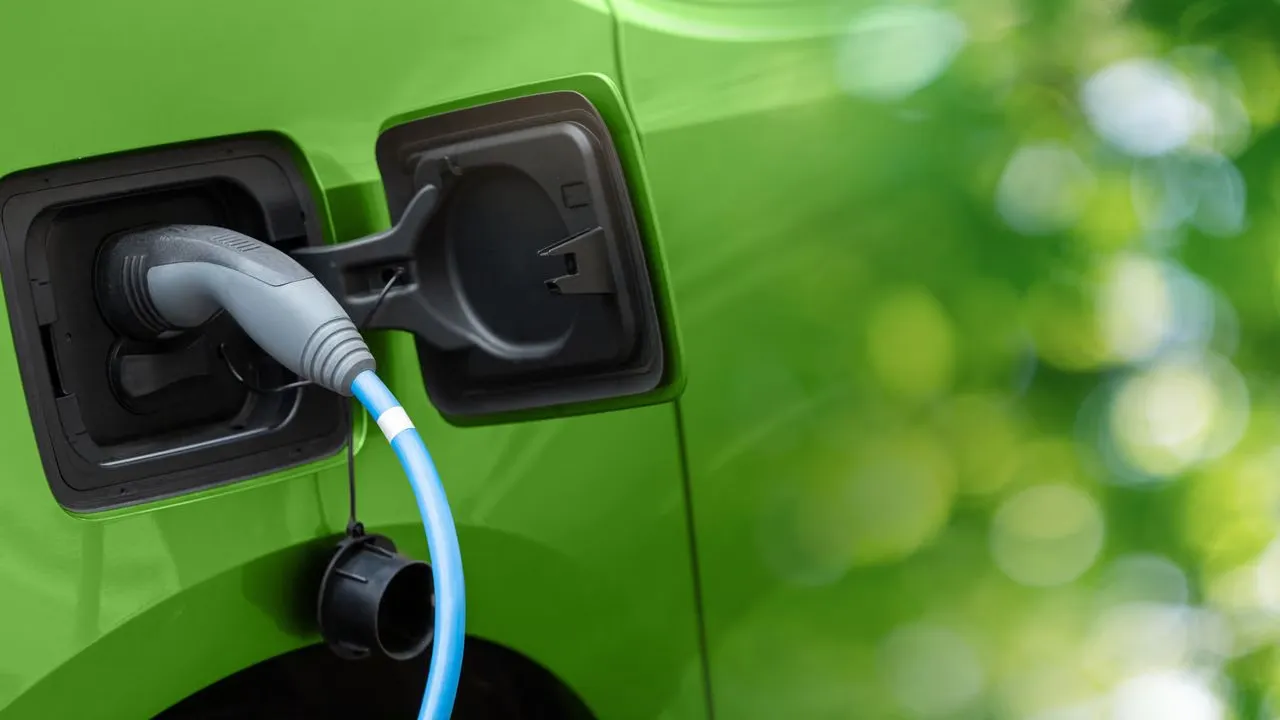
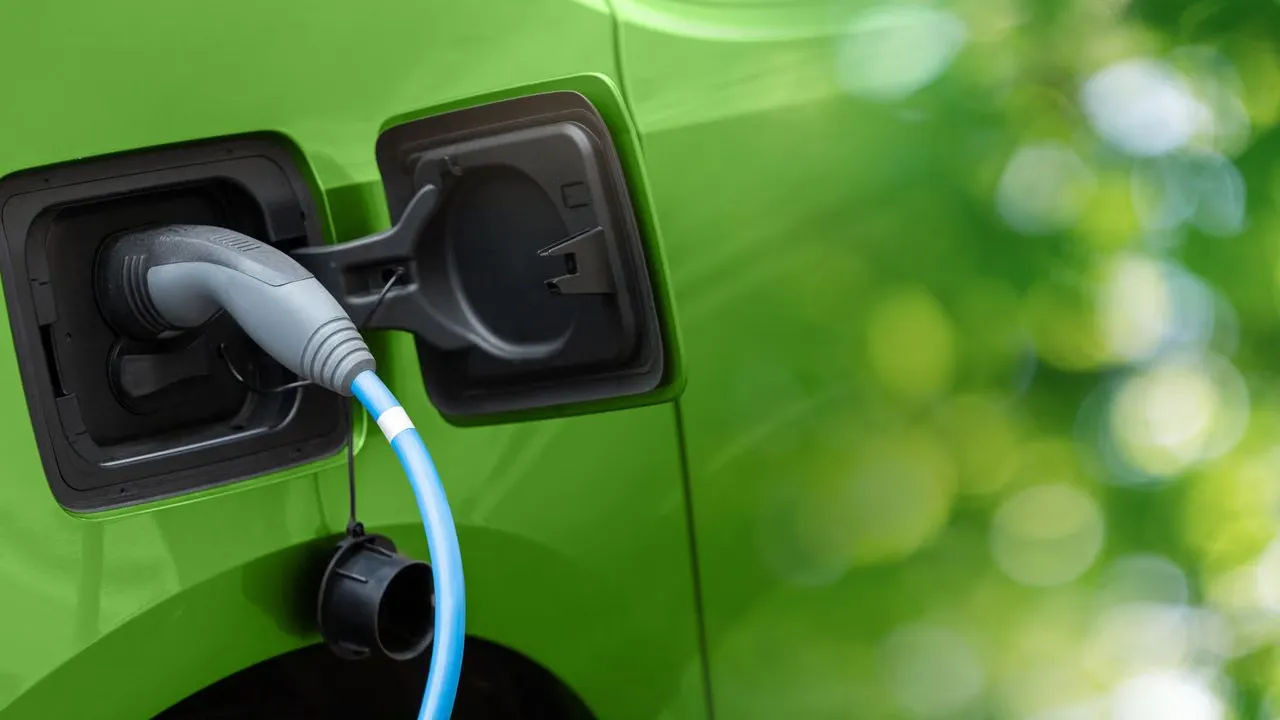
Electric vehicles (EVs) are becoming increasingly popular as a sustainable mode of transportation. As the number of EVs on the road continues to grow, so does the need for efficient and reliable charging infrastructure. EV charging platforms play a crucial role in managing and optimizing the charging process. However, the real power lies in the data generated by these platforms.
The Role of Charging Platform Data
Charging platform data provides valuable insights into the usage patterns, performance, and efficiency of EV charging stations. This data can be utilized to optimize charging infrastructure, improve user experience, and make informed decisions for future expansion.
One of the key ways to access and utilize charging platform data is through the use of a charging platform data API (Application Programming Interface). An API allows developers to interact with the charging platform and retrieve data in a structured and standardized format. This data can then be analyzed and visualized to gain actionable insights.
Charging Platform Data Security
While the availability of charging platform data is beneficial, it also raises concerns about data security and privacy. Charging platform operators must prioritize the protection of user data and ensure compliance with relevant data protection regulations.
Implementing robust data security measures, such as encryption and access controls, is crucial to safeguarding charging platform data. Additionally, regular security audits and vulnerability assessments can help identify and address any potential vulnerabilities in the system.
Charging Data Analytics
Charging data analytics is the process of extracting meaningful information and insights from the vast amount of data generated by EV charging platforms. By analyzing this data, charging platform operators can identify usage patterns, detect anomalies, and optimize charging station performance.
One of the key benefits of charging data analytics is predictive maintenance. By analyzing historical data, charging platform operators can identify potential issues before they occur, allowing for proactive maintenance and minimizing downtime.
Furthermore, charging data analytics can help optimize charging station utilization. By analyzing data on charging sessions, operators can identify peak usage times and plan accordingly, ensuring that there are enough charging stations available to meet the demand.
Conclusion
EV charging platform analytics, powered by charging platform data, offer immense potential for optimizing charging infrastructure and improving user experience. Through the use of charging platform data APIs, operators can access and utilize this data in a structured manner. However, it is essential to prioritize data security to protect user privacy and comply with regulations. By leveraging charging data analytics, operators can make data-driven decisions that enhance the efficiency and reliability of EV charging stations.