
Fast Charging vs Slow Charging for Electric Vehicles
Fast Charging vs. Slow Charging for Electric Vehicles: Which is the Better Option?
As electric vehicles (EVs) become more popular, one of the key concerns for potential buyers is the charging time. After all, no one wants to spend hours waiting for their car to charge. This has led to a debate between fast charging and slow charging, with proponents on both sides arguing for their preferred method. In this article, we will explore the advantages and disadvantages of fast charging and slow charging to help you make an informed decision.
Fast Charging: Rapidly Powering Up Your EV
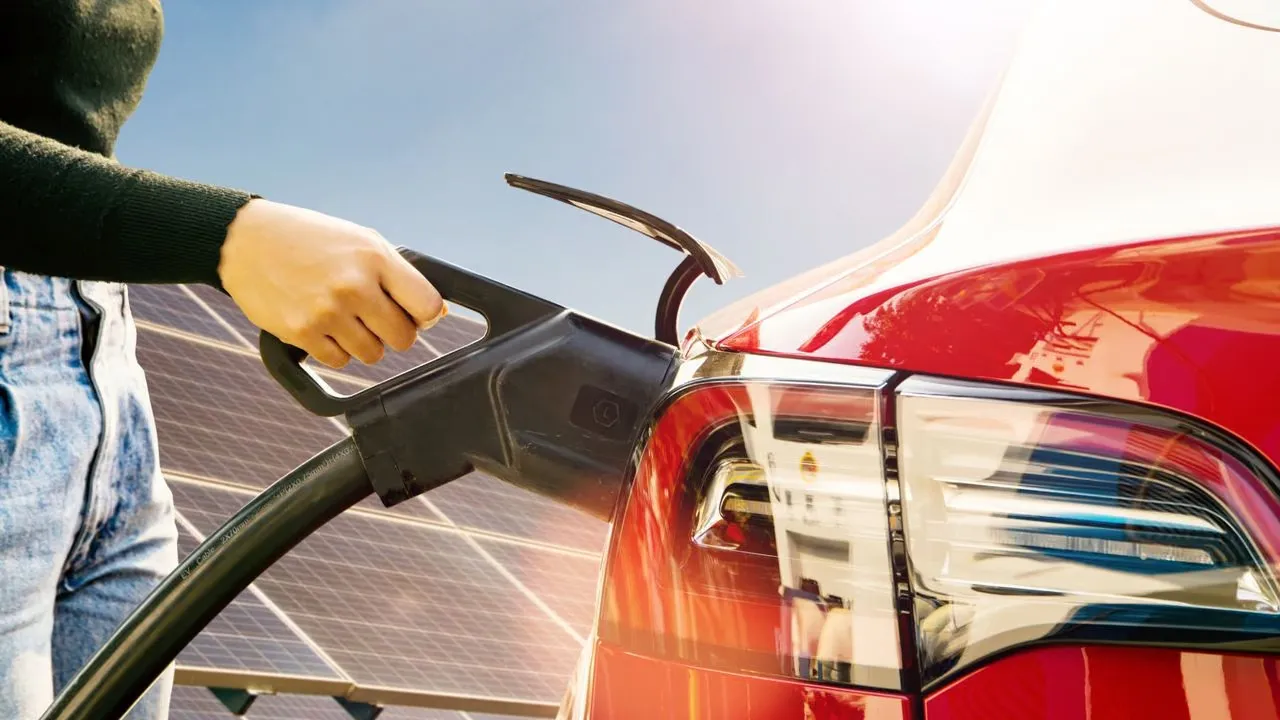
Fast charging, also known as rapid charging, is designed to quickly replenish your EV’s battery. With fast charging, you can charge your vehicle from empty to 80% in as little as 30 minutes, depending on the charger’s power output and your car’s battery capacity. This makes it a convenient option for those on the go who need to recharge their vehicle quickly.
One of the main advantages of fast charging is its speed. If you’re on a long road trip and need to charge your EV to continue your journey, fast charging can save you a significant amount of time. Additionally, the availability of fast charging stations is increasing, making it easier to find a charging point when you need it.
However, fast charging does have its downsides. The high power output required for fast charging can put stress on your EV’s battery, potentially reducing its overall lifespan. Additionally, fast charging stations are often more expensive to use compared to slow charging options.
Slow Charging: The Steady Approach
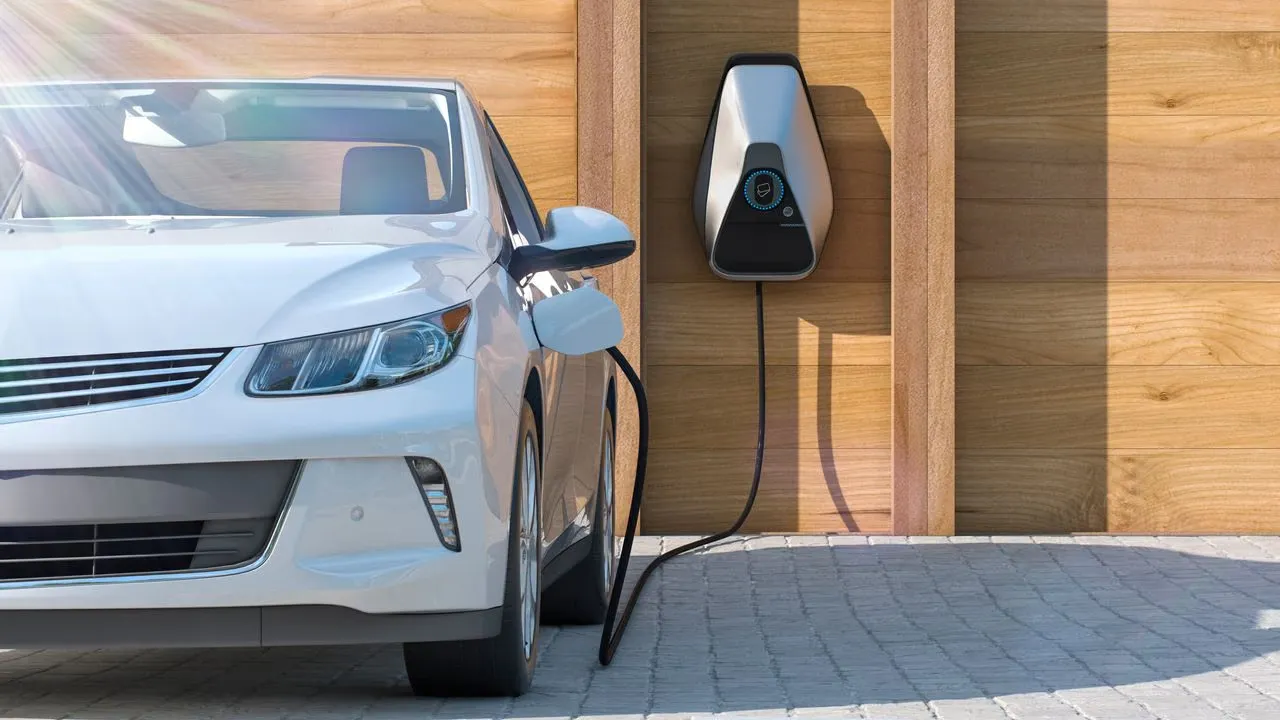
Slow charging, on the other hand, refers to charging your EV using a standard household outlet or a lower-powered charging station. This method typically takes several hours to fully charge an EV, depending on the battery size and the charger’s power output.
One of the main advantages of slow charging is its affordability. Charging your EV at home using a standard outlet is the most cost-effective option, as you don’t have to pay for the use of a charging station. Slow charging also puts less strain on your EV’s battery, which can help prolong its lifespan.
While slow charging may not be as convenient as fast charging, it is ideal for overnight charging or when you have more time to spare. Additionally, slow charging stations are more widely available, as they can be installed in residential areas and parking lots.
Which Option is Right for You?
The choice between fast charging and slow charging ultimately depends on your specific needs and circumstances. If you frequently take long trips or need to charge your vehicle quickly, fast charging may be the better option for you. However, if you have access to a charging station at home or work and can afford to charge your EV overnight, slow charging can be a more practical and cost-effective choice.
It’s worth noting that many EV owners opt for a combination of both fast and slow charging. This allows them to take advantage of the convenience of fast charging when needed, while relying on slow charging for their day-to-day charging needs.
In conclusion, both fast charging and slow charging have their pros and cons. Fast charging offers speed and convenience, but at a potentially higher cost and with the risk of battery degradation. Slow charging, on the other hand, is more affordable and gentle on the battery, but requires more time. Ultimately, the choice depends on your individual circumstances and priorities.