
Fast Charging vs Slow Charging for Electric Vehicles
Fast Charging vs. Slow Charging for Electric Vehicles: Which Is Better?
When it comes to charging electric vehicles (EVs), one of the key considerations is the charging speed. With advancements in technology, EVs can now be charged at high-power charging stations, allowing for faster charging times. However, there is an ongoing debate about whether fast charging is better than slow charging. Let’s explore the pros and cons of each option.
The Need for Speed: Fast Charging
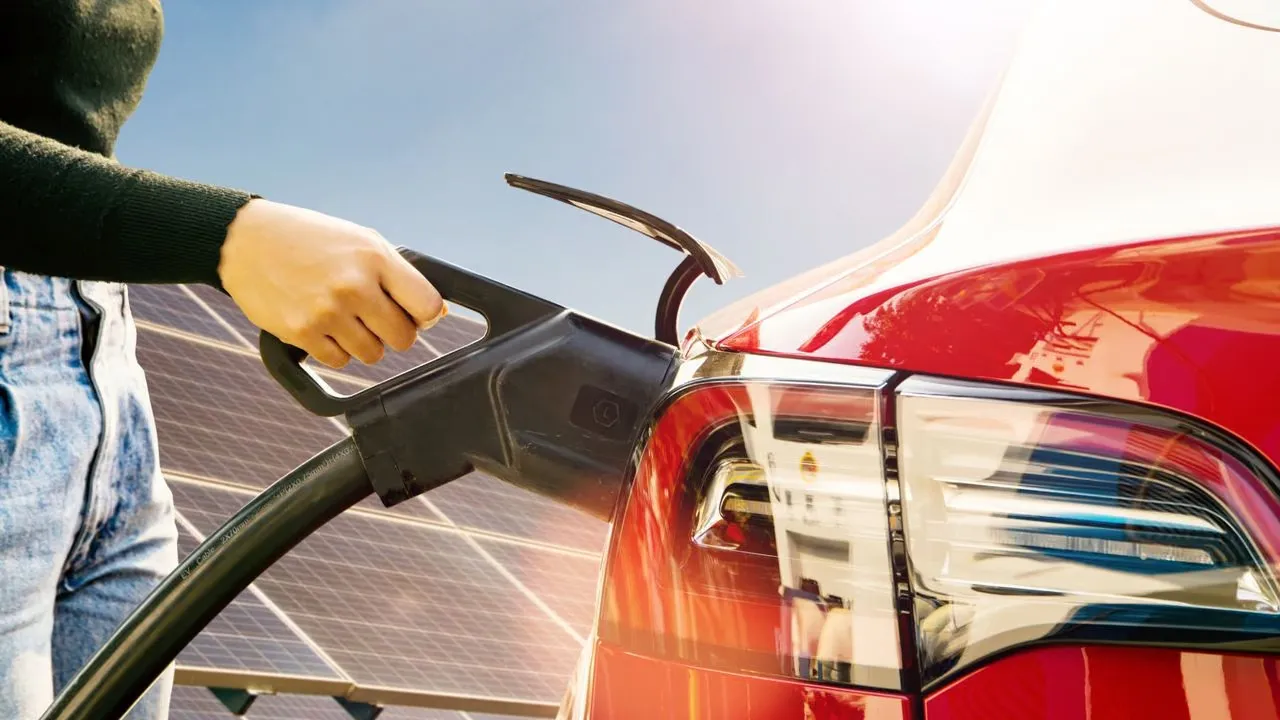
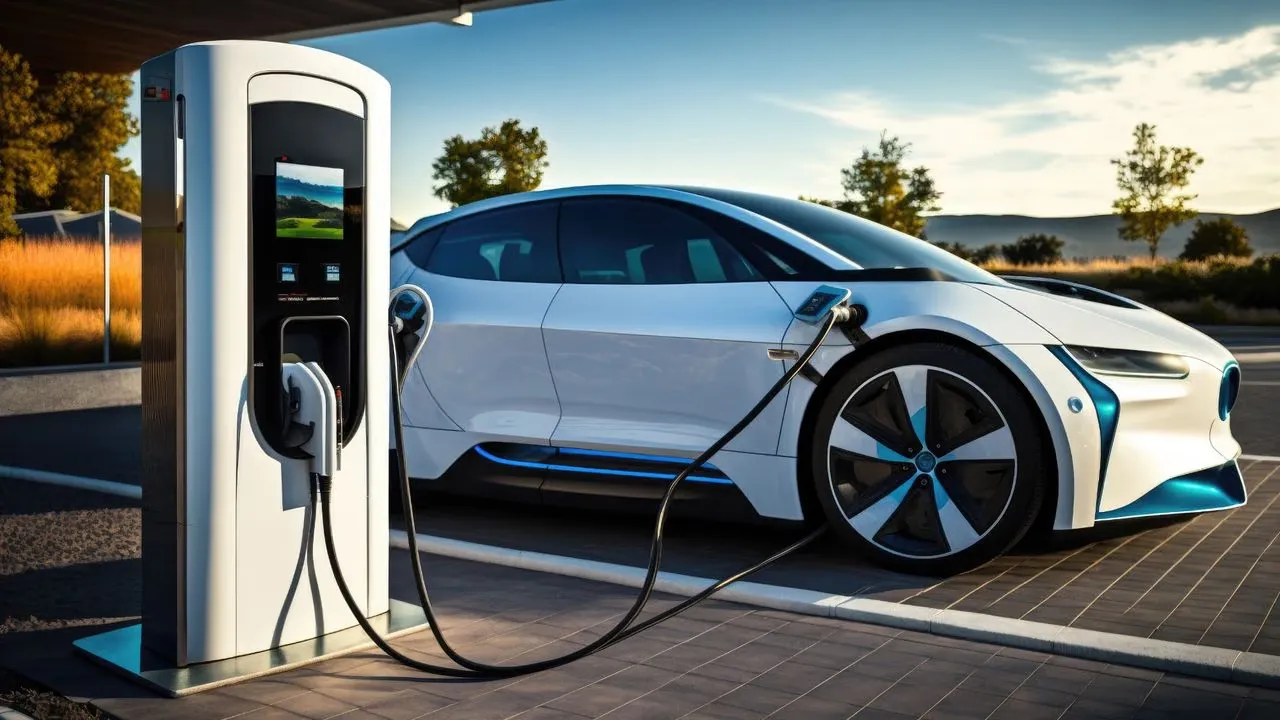
Fast charging, as the name suggests, allows EVs to charge at a much higher rate compared to slow charging. This means that you can get back on the road in a shorter amount of time, making it ideal for those who are always on the go. Fast charging stations, also known as high-power charging stations, are becoming more common, making it easier to find a charging point when needed.
One of the main advantages of fast charging is its convenience. With a high-power charging station, you can charge your EV to 80% capacity in as little as 30 minutes, depending on the vehicle and charger capabilities. This is a significant time-saving compared to slow charging, which can take several hours to fully charge an EV.
Another benefit of fast charging is its ability to provide a quick top-up when you are running low on battery. This is especially useful for long-distance trips or when you need to get to your destination quickly. Fast charging can help alleviate range anxiety, allowing you to travel with peace of mind.
The Power of Patience: Slow Charging
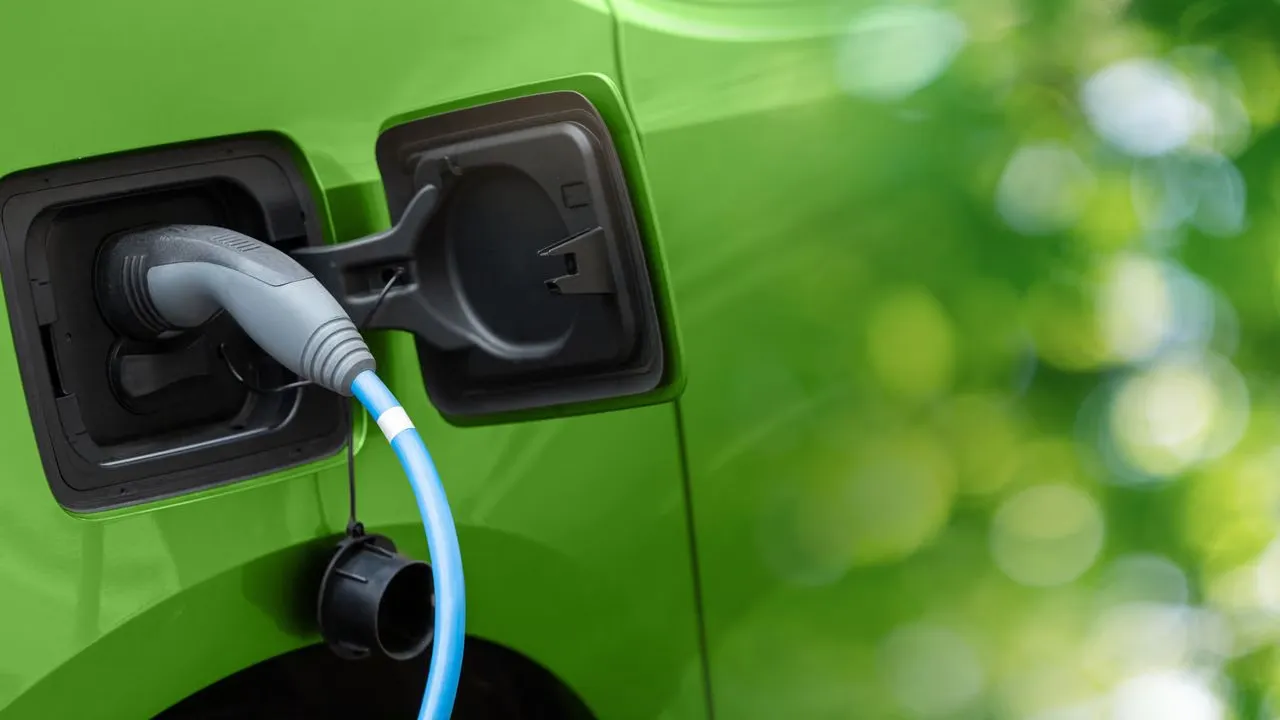
While fast charging offers convenience and speed, slow charging has its own set of advantages. Slow charging typically refers to charging your EV using a standard household outlet or a Level 2 charger. Although it takes longer to charge, there are several reasons why slow charging might be the preferred option for some EV owners.
Firstly, slow charging is more energy-efficient compared to fast charging. When you charge your EV at a slower rate, it puts less strain on the battery, resulting in less heat generation. This can help prolong the overall lifespan of the battery and maintain its capacity over time.
Additionally, slow charging is often more cost-effective. Fast charging stations tend to be more expensive to use, especially if they are operated by third-party providers. On the other hand, slow charging can be done at home using your existing electrical infrastructure, saving you money in the long run.
Moreover, slow charging is less demanding on the electrical grid. Fast charging stations require a significant amount of power, which can put a strain on the grid, especially during peak hours. By opting for slow charging, you contribute to a more stable and sustainable energy system.
Choosing the Right Charging Option
Ultimately, the choice between fast charging and slow charging depends on your specific needs and circumstances. If you frequently travel long distances or have a busy schedule, fast charging may be the better option for you. On the other hand, if you have access to overnight charging at home or work and prioritize battery longevity and cost savings, slow charging is a viable choice.
It’s worth noting that many EV owners opt for a combination of both fast and slow charging. This allows them to take advantage of the convenience of fast charging when needed while relying on slow charging for their day-to-day charging requirements.
In conclusion, the charging speed, whether fast or slow, is an important factor to consider when charging your electric vehicle. Fast charging offers convenience and quick top-ups, while slow charging is more energy-efficient, cost-effective, and less demanding on the electrical grid. By understanding the pros and cons of each option, you can make an informed decision that suits your needs and preferences.