

Government Incentives for Electric Vehicles: Boosting Adoption and Charging Infrastructure
Government Incentives and Subsidies for Electric Vehicles
As the world moves towards a more sustainable future, governments around the globe are taking initiatives to promote the adoption of electric vehicles (EVs). One of the key strategies employed by governments is providing incentives and subsidies to encourage consumers to purchase and use electric vehicles. In this article, we will explore the various forms of government support, purchase incentives, and charging infrastructure support available for EV owners.
Government Support
Government support plays a crucial role in accelerating the transition to electric vehicles. Many countries have implemented policies to reduce the cost of electric vehicles, making them more affordable for consumers. These policies include tax credits, grants, and zero or reduced registration fees for EVs.
For example, in the United States, the federal government offers a tax credit of up to $7,500 for the purchase of a new electric vehicle. This incentive helps offset the higher upfront cost of EVs, making them more accessible to a wider range of consumers.
In addition to financial incentives, governments also invest in research and development to improve EV technology and infrastructure. This includes funding for battery research, charging station networks, and renewable energy projects to support the growth of the electric vehicle industry.
Purchase Incentives
In many countries, governments provide purchase incentives to encourage consumers to switch from traditional gasoline-powered vehicles to electric vehicles. These incentives can take various forms, such as cash rebates, discounts, or grants.
For instance, in Norway, one of the leading countries in electric vehicle adoption, EV buyers are exempt from paying purchase taxes, which can significantly reduce the overall cost of the vehicle. Additionally, EV owners in Norway enjoy benefits such as free tolls, reduced parking fees, and access to bus lanes, making electric vehicles an attractive option for commuters.
Other countries, like the Netherlands and France, have implemented similar purchase incentives, including financial bonuses for trading in old, polluting vehicles for electric ones. These incentives not only promote the adoption of EVs but also contribute to reducing air pollution and improving overall air quality.
Charging Infrastructure Support
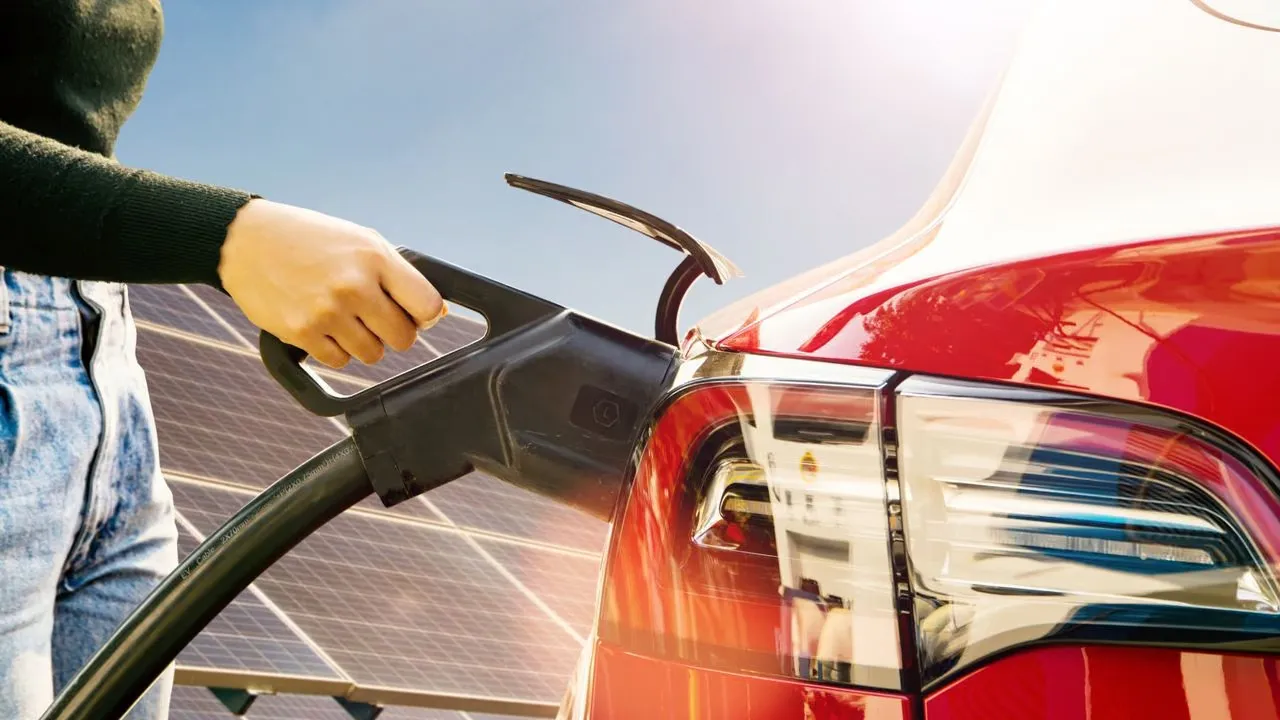
One of the key challenges for electric vehicle adoption is the availability of charging infrastructure. Governments recognize this and provide support to expand and improve the charging network.
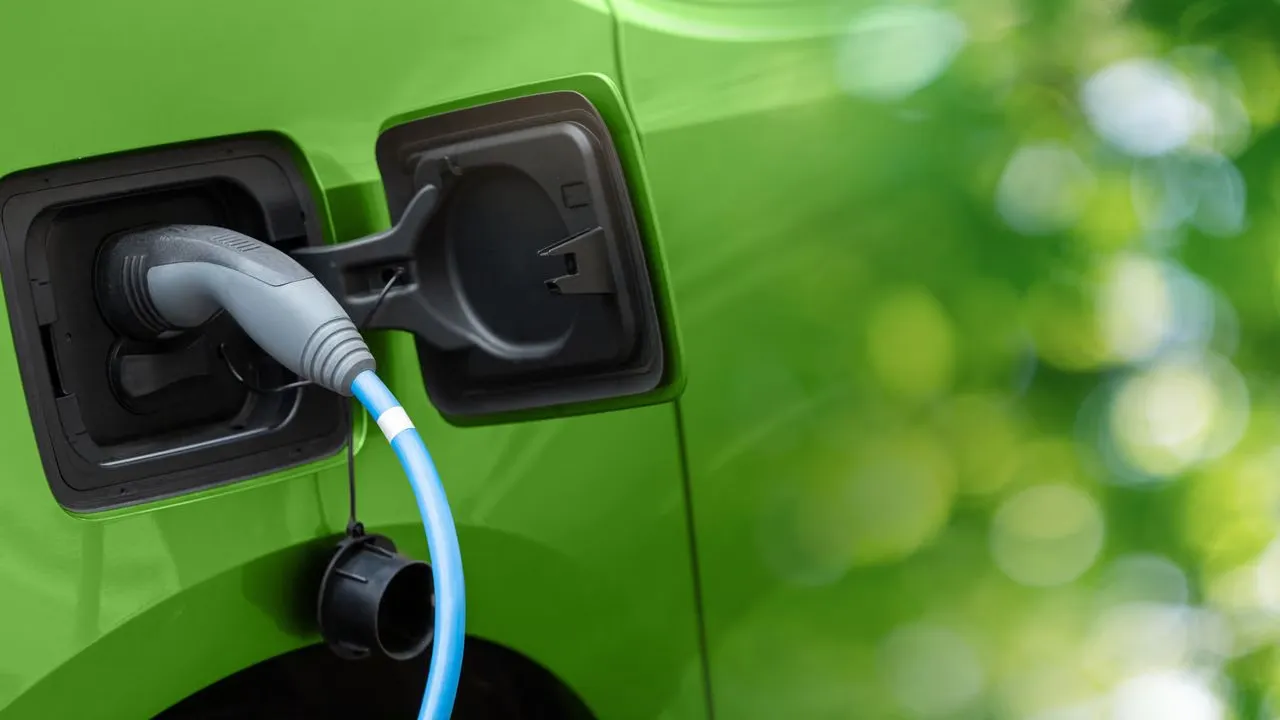
In the United Kingdom, for example, the government has set up the Electric Vehicle Homecharge Scheme, which provides grants to cover the installation costs of home charging points. This initiative makes it more convenient for EV owners to charge their vehicles at home, reducing reliance on public charging stations.
Furthermore, governments invest in the development of public charging infrastructure, including fast-charging stations along highways and in urban areas. This helps alleviate range anxiety and provides EV owners with a reliable network of charging stations, making long-distance travel more feasible.
Conclusion
Government incentives and subsidies play a vital role in promoting the adoption of electric vehicles. By offering financial support, purchase incentives, and charging infrastructure development, governments encourage consumers to make the switch to electric vehicles, contributing to a greener and more sustainable future.
As the demand for electric vehicles continues to grow, it is crucial for governments to maintain and expand these incentives to ensure a smooth transition to a cleaner transportation system. By working together, governments and consumers can drive the widespread adoption of electric vehicles and reduce our dependence on fossil fuels.