
Home EV Charging: Options and Considerations
Electric Vehicle Charging at Home: Options and Considerations
As electric vehicles (EVs) become increasingly popular, the need for convenient and efficient charging options is on the rise. One of the most convenient ways to charge your EV is at home. In this article, we will explore the different options and considerations for home EV charging.
Wall-Mounted Chargers
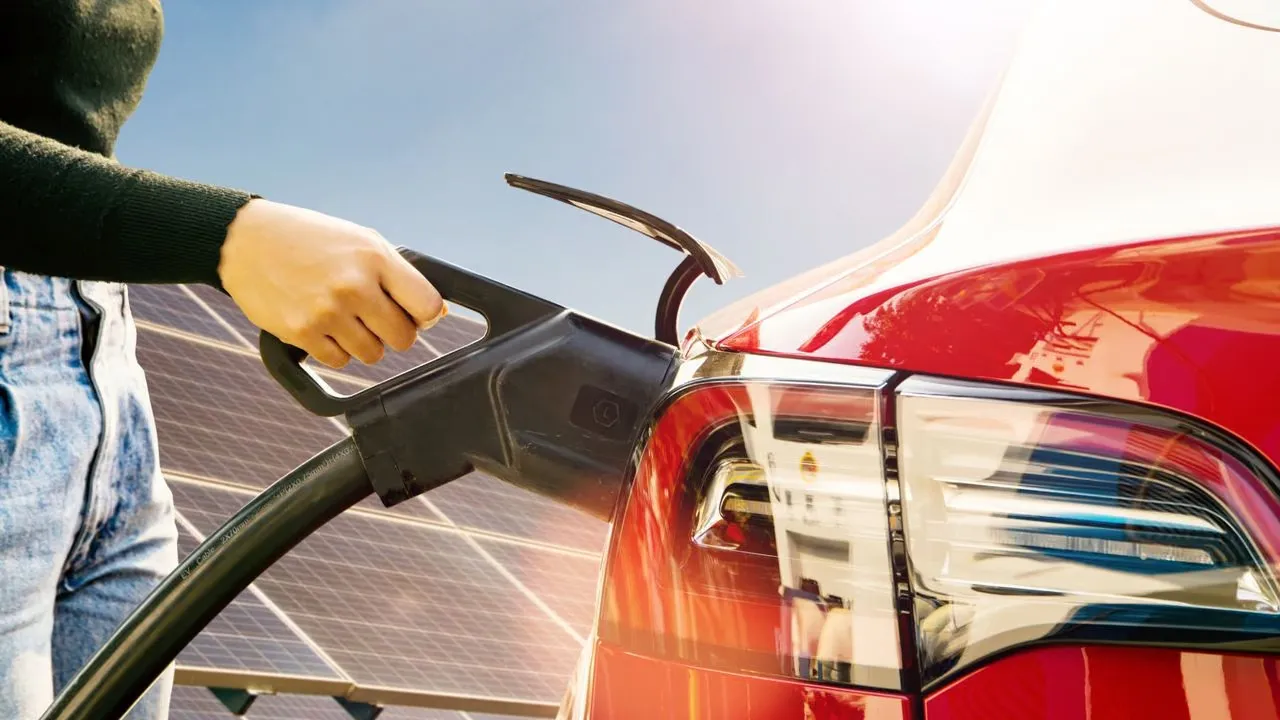
One of the most popular options for home EV charging is a wall-mounted charger. These chargers are installed on a wall in your garage or outside your home, providing a dedicated charging station for your EV. Wall-mounted chargers offer faster charging speeds compared to standard outlets, allowing you to charge your EV more quickly.
When choosing a wall-mounted charger, it is important to consider the charging power (measured in kilowatts) it can provide. Higher power chargers can charge your EV faster, but they may also require additional electrical upgrades to your home’s electrical system. It is recommended to consult with a licensed electrician to ensure your home can support the charger you choose.
Charge Scheduling
Another consideration for home EV charging is charge scheduling. Many wall-mounted chargers and electric vehicle supply equipment (EVSE) come with scheduling features that allow you to set specific times for charging your EV. This can be useful if you have lower electricity rates during certain hours or if you want to ensure your EV is fully charged and ready to go at a specific time.
With charge scheduling, you can program your charger to start and stop charging at specific times. This not only helps you take advantage of off-peak electricity rates but also allows you to avoid overloading your home’s electrical system by spreading out the charging load.
EVSE (Electric Vehicle Supply Equipment)
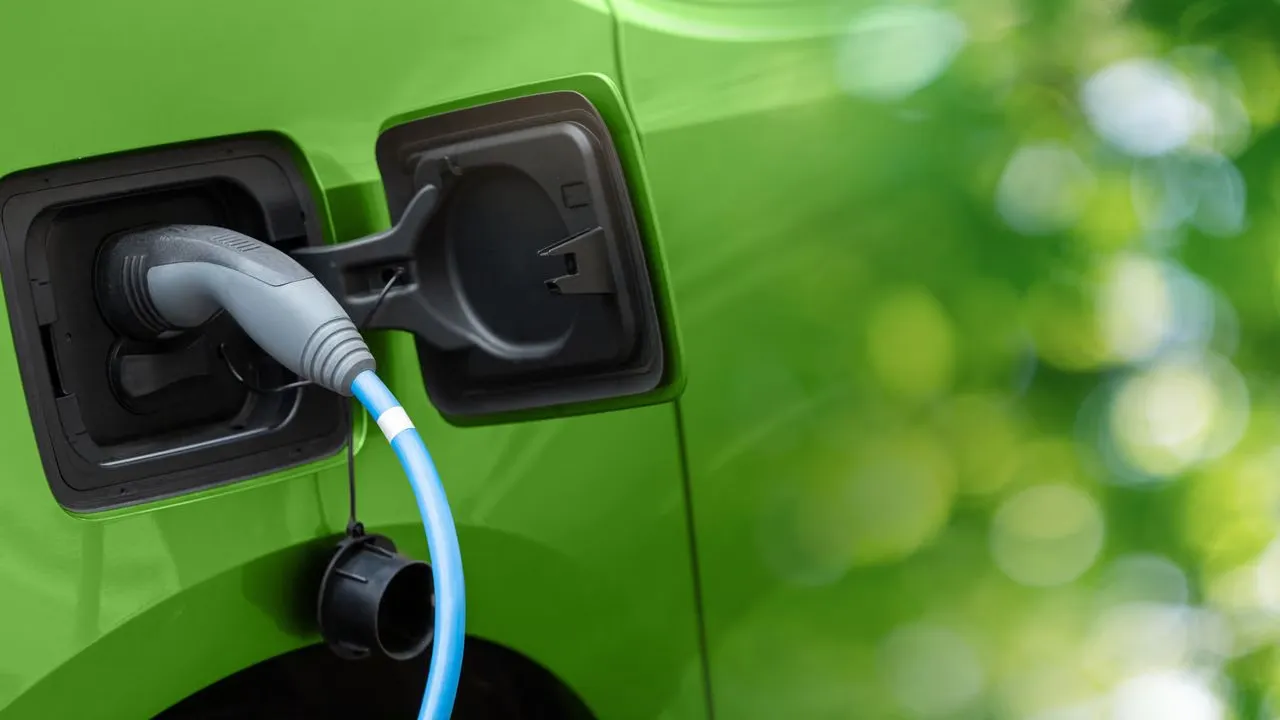
EVSE, also known as charging stations, are devices that supply electric energy to charge your EV. They come in various forms, including wall-mounted chargers and portable charging cables. EVSE typically have safety features built-in, such as ground fault protection and thermal protection, to ensure safe and reliable charging.
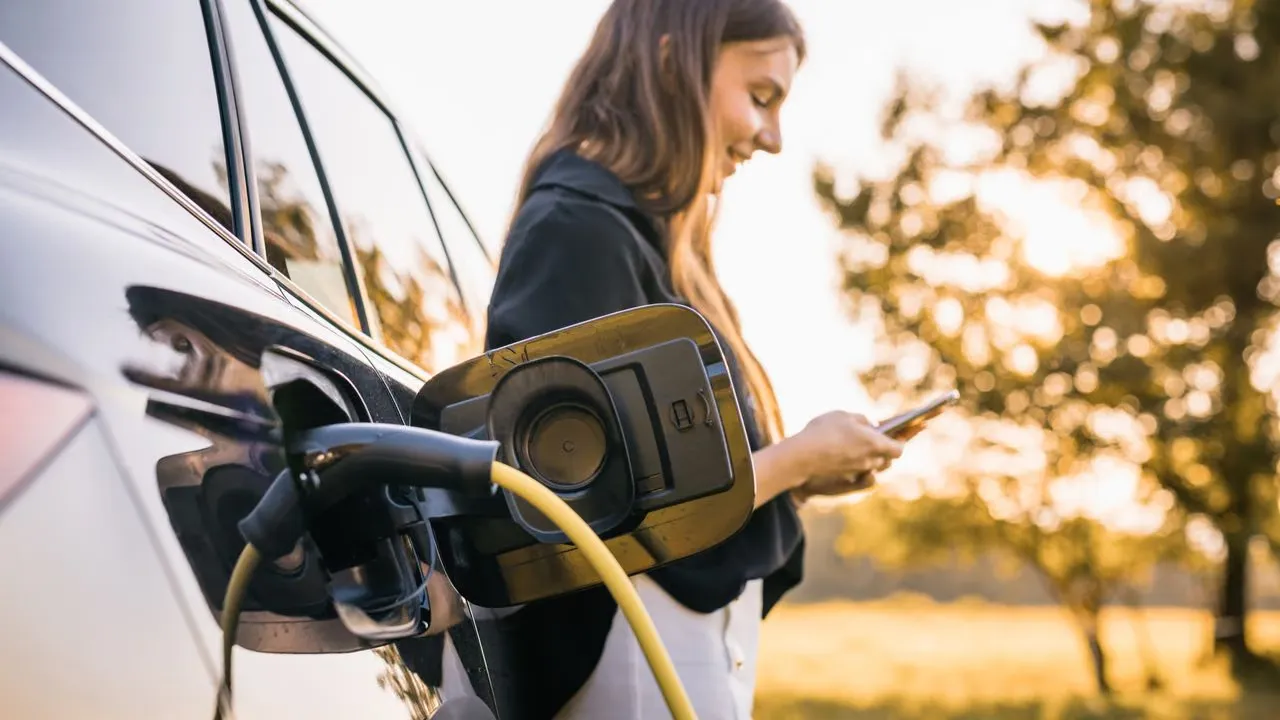
When choosing an EVSE, it is important to consider factors such as charging speed, compatibility with your EV, and ease of use. Some EVSE models also offer additional features like smartphone connectivity, allowing you to monitor and control your charging remotely.
Conclusion
Home EV charging is a convenient and efficient way to ensure your EV is always ready for the road. Wall-mounted chargers provide faster charging speeds, while charge scheduling allows you to take advantage of off-peak electricity rates. EVSE options offer a range of features and compatibility to suit your needs. Before installing a wall-mounted charger or purchasing an EVSE, it is important to consider factors such as charging power, electrical system compatibility, and additional features.
By investing in a home charging solution that meets your needs, you can enjoy the convenience of charging your EV at home while contributing to a greener future.