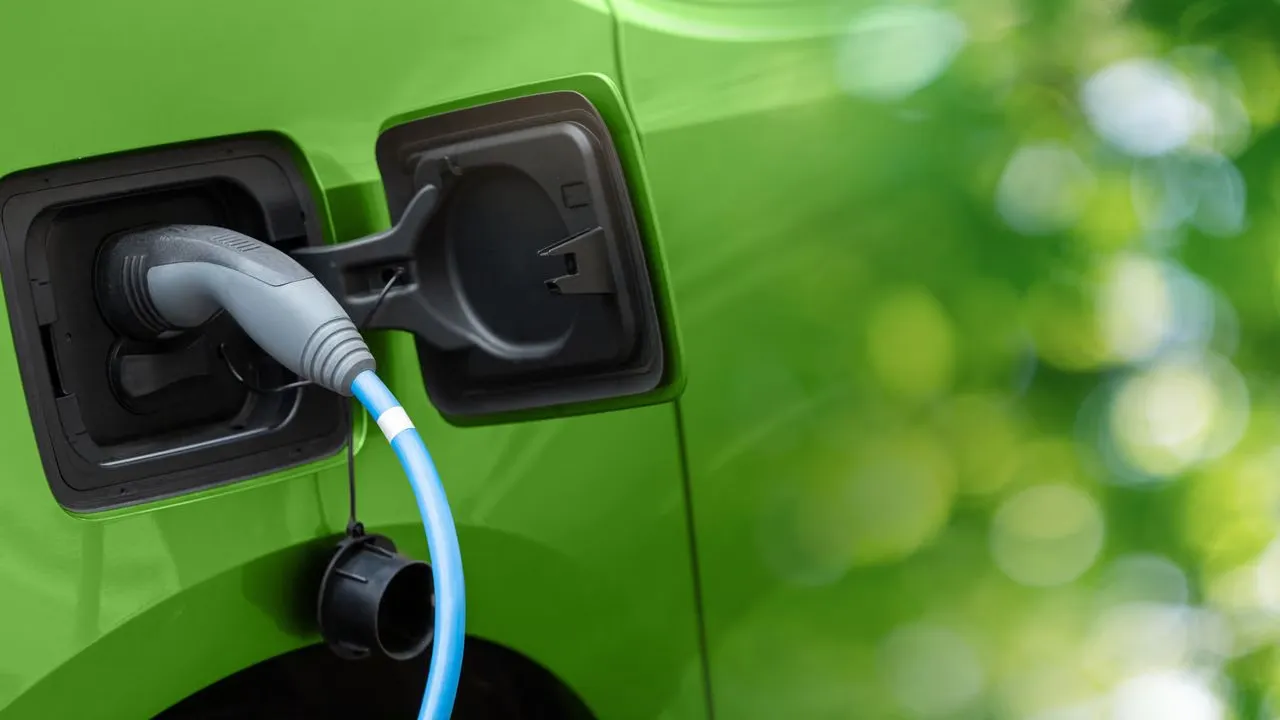


Monitoring EV Charging Infrastructure: Privacy, Access, Efficiency
EV Charging Infrastructure Monitoring: Balancing Data Privacy, Access Control, and Energy Efficiency
As electric vehicles (EVs) gain popularity, the need for an efficient and reliable charging infrastructure becomes increasingly crucial. To ensure seamless charging experiences, it is essential to monitor the EV charging infrastructure closely. However, this monitoring must also navigate the complex landscape of data privacy, access control, and energy efficiency.
Protecting Data Privacy in EV Charging Infrastructure
With the advancement of technology, EV charging stations collect vast amounts of data, including charging patterns, user information, and location data. It is imperative to handle this data with utmost care to safeguard the privacy of EV owners.
Charging infrastructure operators must implement robust data privacy measures. This includes anonymizing personal information, adopting strong encryption techniques, and implementing strict access controls. By doing so, operators can ensure that only authorized personnel can access sensitive data, safeguarding the privacy of EV owners.
Controlling Access to Charging Infrastructure
While ensuring data privacy is paramount, it is equally important to establish effective access control mechanisms for EV charging infrastructure. Unauthorized access to charging stations can not only disrupt operations but also compromise the security and privacy of EV owners.
Implementing access control systems, such as RFID cards or mobile apps, can help regulate access to charging infrastructure. These systems allow only authorized users to initiate charging sessions, ensuring that only EV owners or designated personnel can utilize the charging stations.
In addition to preventing unauthorized usage, access control systems also enable operators to track charging sessions, monitor energy consumption, and gather valuable data for optimizing infrastructure usage.
Enhancing Energy Efficiency of Charging Infrastructure
Efficiency plays a vital role in the sustainability of EV charging infrastructure. By optimizing energy usage, operators can reduce costs, minimize environmental impact, and ensure a reliable charging experience for EV owners.
Monitoring energy consumption patterns can help identify inefficiencies and optimize the charging infrastructure accordingly. By analyzing data on charging sessions, operators can identify peak usage times, balance the load across stations, and implement smart charging solutions to enhance energy efficiency.
Moreover, integrating renewable energy sources, such as solar or wind power, into the charging infrastructure can further reduce the carbon footprint of EVs. By leveraging clean energy, operators can contribute to a greener future while meeting the increasing demand for EV charging.
The Future of EV Charging Infrastructure Monitoring
As electric mobility continues to grow, the need for effective monitoring of charging infrastructure will only intensify. Striking a balance between data privacy, access control, and energy efficiency will remain a key challenge for operators.
Technological advancements, such as blockchain and artificial intelligence, hold promise for enhancing the monitoring and management of EV charging infrastructure. These technologies can streamline data management, improve security, and enable predictive maintenance, ensuring a seamless charging experience for EV owners.
In conclusion, monitoring EV charging infrastructure is crucial for providing a reliable and efficient charging experience. However, it must be done while respecting data privacy, implementing access control mechanisms, and optimizing energy usage. By addressing these aspects, we can pave the way for a sustainable and future-proof charging infrastructure that supports the widespread adoption of electric vehicles.