
Powering the Future: Electric Vehicle Charging Infrastructure
Electric Vehicle Charging Infrastructure: Powering the Future
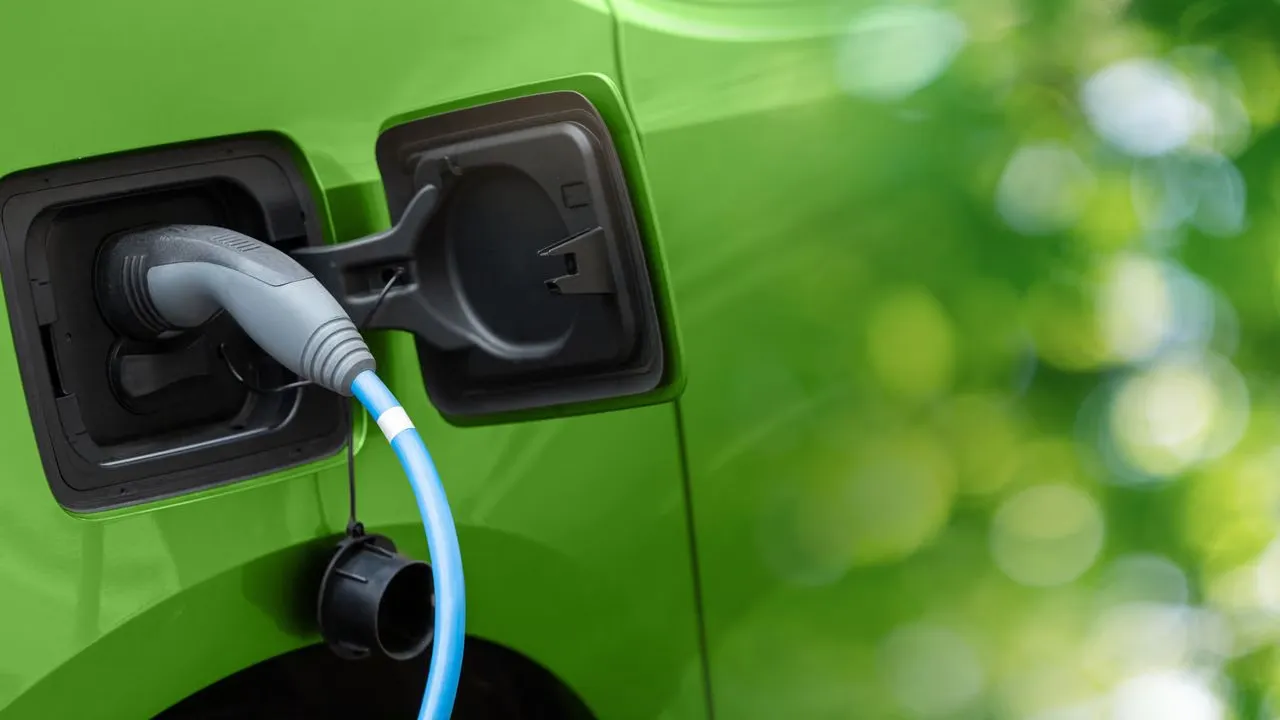
As the world moves towards a more sustainable future, electric vehicles (EVs) have emerged as a promising solution to reduce carbon emissions and dependence on fossil fuels. However, one of the key challenges that EV owners face is the availability and accessibility of charging infrastructure. In this article, we will explore the importance of a robust charging network, the significance of public charging stations, and the impact of charging time on the adoption of electric vehicles.
The Need for a Comprehensive Charging Network
For electric vehicles to become a viable alternative to traditional gasoline-powered cars, a well-developed charging network is crucial. A charging network refers to the interconnected system of charging stations that allow EV owners to recharge their vehicles conveniently and efficiently. This network should be built with careful consideration of various factors such as location, capacity, and accessibility.
By establishing a comprehensive charging network, EV owners can have the peace of mind knowing that they can easily find a charging station wherever they go. This eliminates the range anxiety often associated with electric vehicles, making them a more practical choice for daily commuting and long-distance travel.
The Significance of Public Charging Stations
While home charging is the most convenient option for many EV owners, public charging stations play a vital role in expanding the usability of electric vehicles. Public charging stations are typically located in commercial areas, parking lots, and along major highways, making them easily accessible to a wide range of users.
Public charging stations not only provide a convenient charging option for EV owners without access to home charging facilities but also encourage the adoption of electric vehicles among those who are hesitant due to charging concerns. The presence of public charging stations in public spaces sends a strong message that electric vehicles are a viable and supported mode of transportation.
The Impact of Charging Time
Charging time is a crucial factor in the widespread adoption of electric vehicles. Unlike refueling a conventional car, which takes only a few minutes, charging an electric vehicle can take significantly longer. The time it takes to charge an EV depends on various factors, including the charging station’s power capacity and the vehicle’s battery size.
Efforts are being made to develop fast-charging technologies that can significantly reduce charging time. Fast-charging stations, also known as DC fast chargers, can replenish an EV’s battery to 80% capacity in as little as 30 minutes. This rapid charging capability makes long-distance travel more feasible and minimizes the inconvenience associated with longer charging times.
Moreover, advancements in battery technology, such as higher energy density and improved charging efficiency, are continuously improving the charging experience for EV owners. As these technologies evolve, the charging time will become less of a concern, further accelerating the adoption of electric vehicles.
Conclusion
As the world transitions towards a greener future, the development of a robust electric vehicle charging infrastructure is of paramount importance. A comprehensive charging network, with a focus on public charging stations, will alleviate range anxiety and make electric vehicles a practical choice for all. Furthermore, advancements in charging technologies, including faster charging times, will continue to drive the widespread adoption of electric vehicles. With a strong commitment to expanding the charging infrastructure, we can power the future with clean and sustainable transportation.