
The Future of Electric Cars and E-Mobility
The Future of Electric Cars and E-Mobility: Shared Mobility, EV Advancements, and Energy Storage Innovations
Electric cars and e-mobility have been gaining significant momentum in recent years, and the future looks promising. With advancements in technology and a growing focus on sustainability, electric vehicles (EVs) are set to revolutionize the way we commute and travel. In this article, we will explore the exciting developments in shared mobility, EV advancements, and energy storage innovations that are shaping the future of electric cars.
Shared Mobility: Redefining Transportation
Shared mobility is a concept that is transforming the way we think about transportation. Instead of owning a car, people are increasingly opting for shared mobility services, such as ride-hailing platforms and car-sharing programs. This shift towards shared mobility not only reduces the number of vehicles on the road but also promotes efficient use of resources.
Electric cars play a crucial role in shared mobility as they offer several advantages over traditional internal combustion engine vehicles. EVs are quieter, produce zero tailpipe emissions, and have lower operating costs. With the increasing availability of electric vehicle charging infrastructure, shared mobility services can easily incorporate electric cars into their fleets, further reducing carbon emissions and promoting sustainable transportation.
EV Advancements: Longer Range and Faster Charging
One of the key factors driving the adoption of electric cars is the continuous advancement in EV technology. Manufacturers are constantly improving battery technology, resulting in longer driving ranges and faster charging times. These advancements address two major concerns for potential EV buyers: range anxiety and charging convenience.
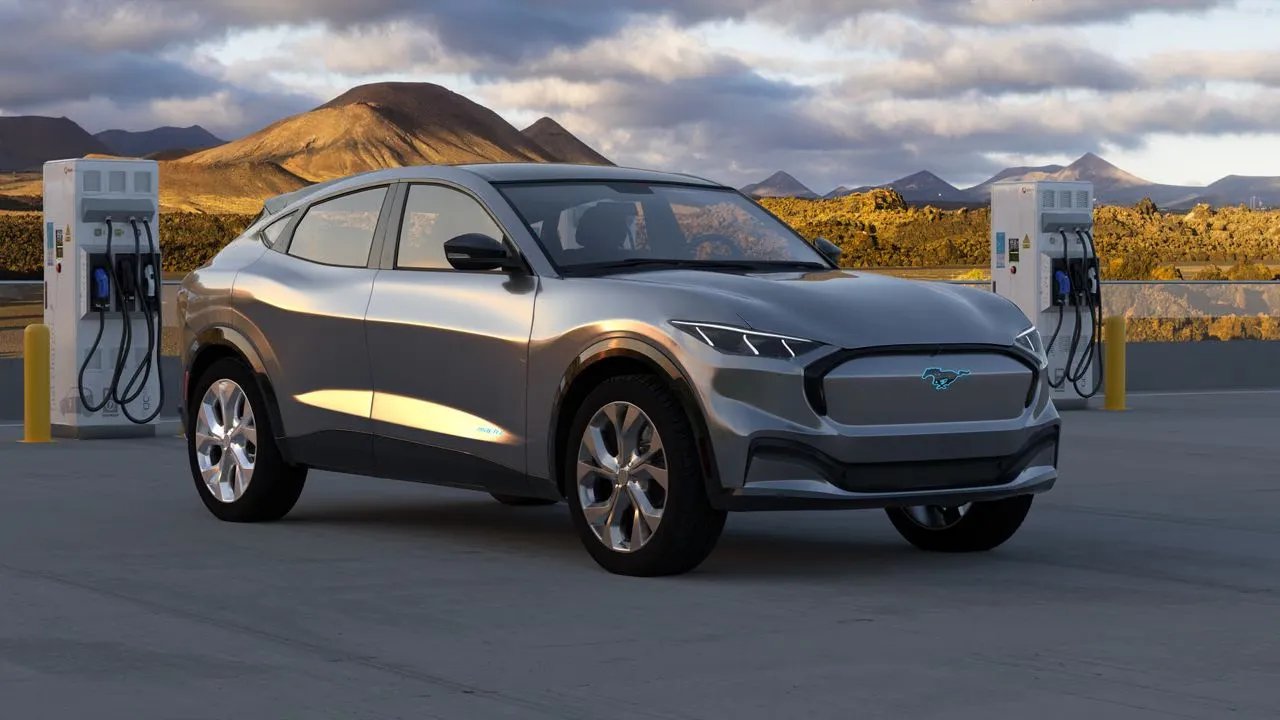
Modern electric cars can now travel over 200 miles on a single charge, making them suitable for everyday commuting and long-distance travel. Additionally, the development of fast-charging infrastructure allows EV owners to recharge their vehicles in a matter of minutes rather than hours. This not only enhances the practicality of electric cars but also encourages more people to make the switch from fossil fuel-powered vehicles.
Energy Storage Innovations: Beyond Electric Cars
Energy storage innovations are not limited to electric cars; they have far-reaching implications for various sectors. The advancements in battery technology used in EVs are also being applied to other areas, such as renewable energy integration and grid stabilization.
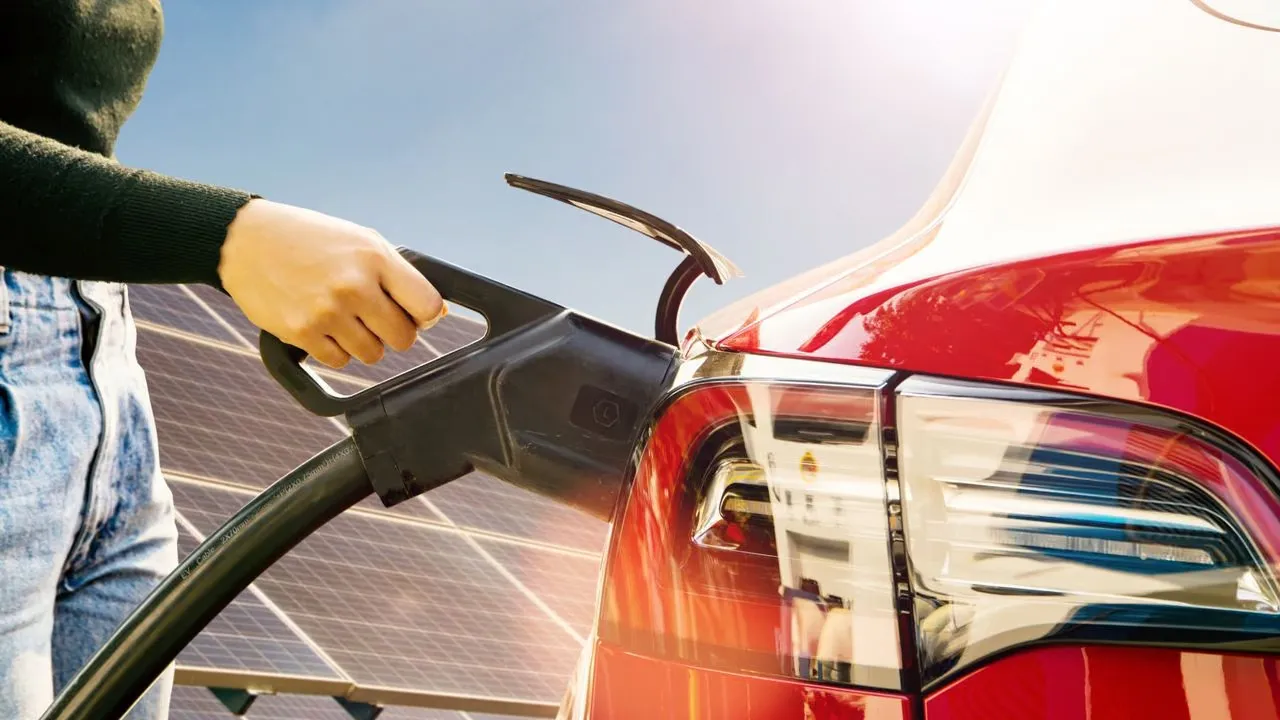
Lithium-ion batteries, commonly used in electric cars, are now being utilized to store excess energy generated by renewable sources like solar and wind. This stored energy can be used during periods of high demand or when renewable sources are not producing enough power. By integrating energy storage systems with renewable energy generation, we can create a more reliable and sustainable energy infrastructure.
Moreover, energy storage innovations are playing a crucial role in grid stabilization. Batteries can help balance the supply and demand of electricity, ensuring a stable and resilient grid. This technology also enables the integration of intermittent energy sources, like solar and wind, into the grid, reducing our reliance on fossil fuels and promoting a cleaner energy future.
In Conclusion
The future of electric cars and e-mobility is bright, with shared mobility, EV advancements, and energy storage innovations leading the way. As more people embrace shared mobility services, the demand for electric cars will continue to rise. With ongoing advancements in battery technology, EVs will offer longer driving ranges and faster charging times, making them even more practical and convenient. Furthermore, energy storage innovations will not only benefit electric cars but also revolutionize renewable energy integration and grid stabilization. The future is electric, sustainable, and exciting.