
The title for the above article could be: Availability of Public Charging Stations
Public Charging Stations: The Availability and Importance of Charging Infrastructure
With the increasing popularity of electric vehicles (EVs), the need for a reliable and extensive charging network has become paramount. Public charging stations play a crucial role in the widespread adoption of EVs, providing convenience and peace of mind to EV owners. In this article, we will explore the current state of public charging stations, the importance of charging infrastructure, and the availability of fast charging options.
The Growing Need for Charging Infrastructure
As more and more people switch to electric vehicles, the demand for charging infrastructure has grown exponentially. Charging infrastructure refers to the network of charging stations that are available to EV owners. This infrastructure is essential for EV owners who rely on public charging stations for their daily charging needs.
One of the primary concerns for EV owners is the charging network coverage. A robust charging network ensures that EV owners can easily find a charging station wherever they go. This is particularly important for long-distance travel, where access to charging stations along the route is crucial. Fortunately, many countries and regions have recognized the importance of charging infrastructure and are taking steps to expand the network.
The Availability of Public Charging Stations
The availability of public charging stations varies depending on the location. In some areas, charging stations are abundant, while in others, they may be scarce. However, the overall trend is positive, with an increasing number of charging stations being installed worldwide.
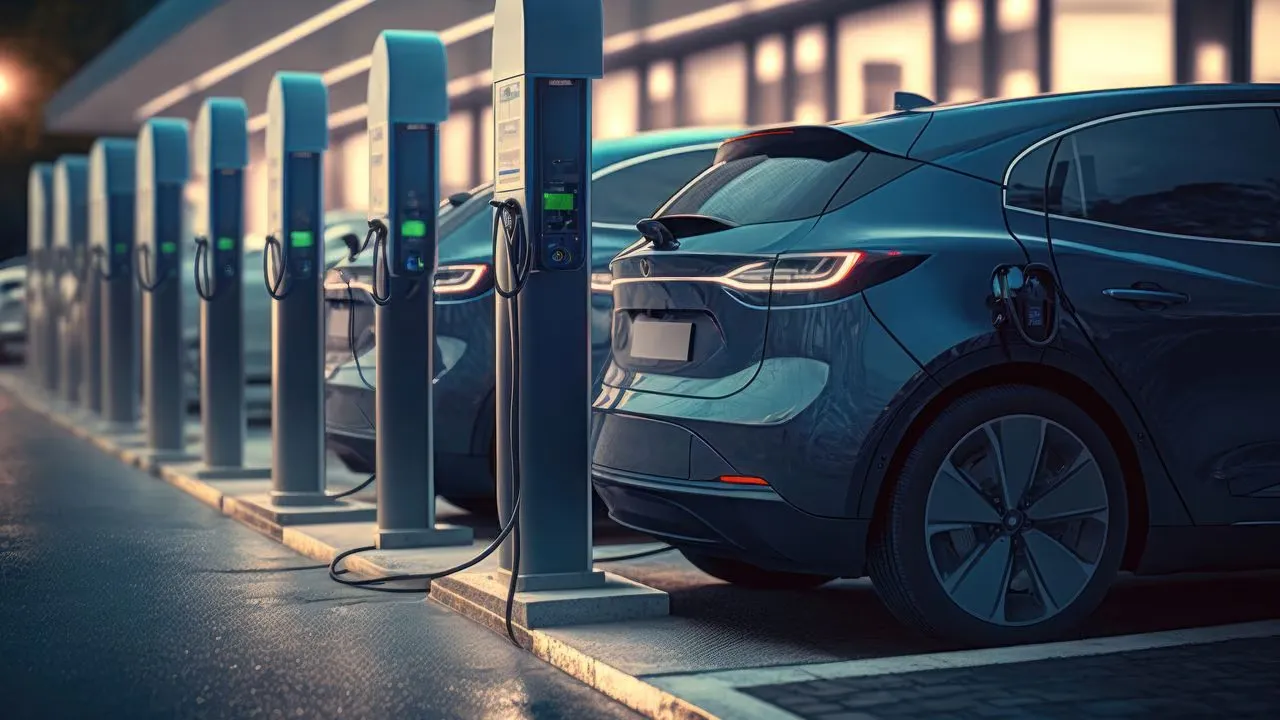
In urban areas, public charging stations are more prevalent, catering to the needs of EV owners who live in apartments or houses without private charging facilities. These stations are typically located in parking lots, shopping centers, and other public spaces, making it convenient for EV owners to charge their vehicles while running errands or going about their daily activities.
Rural areas, on the other hand, often face challenges in terms of charging infrastructure. The lower population density and longer distances between towns make it more difficult to justify the installation of charging stations. However, governments and organizations are working to address this issue by incentivizing the installation of charging stations in rural areas.
The Importance of Fast Charging
Fast charging is a crucial aspect of charging infrastructure. Unlike regular charging, which can take several hours, fast charging allows EV owners to charge their vehicles quickly, often in less than an hour. This is particularly useful for long trips or when drivers are in a hurry.
Fast charging stations, also known as DC fast chargers, are capable of delivering high-power charging to EVs, significantly reducing the charging time. These stations are usually found along major highways or in strategic locations, enabling EV owners to recharge their vehicles quickly during long journeys.
While fast charging stations are not as widespread as regular charging stations, their availability is increasing. Governments and private companies are investing in the installation of fast charging infrastructure to meet the growing demand for quick and convenient charging options.
Conclusion
Public charging stations are an essential component of the charging infrastructure for electric vehicles. The availability and coverage of these stations play a vital role in the widespread adoption of EVs. As the demand for EVs continues to rise, governments and organizations must continue to invest in expanding the charging network and improving access to fast charging options. By doing so, they will ensure that EV owners have a reliable and convenient charging experience, ultimately contributing to the growth of the electric vehicle market.