
TheElectricCarRevolution
The Future of Electric Cars and E-Mobility
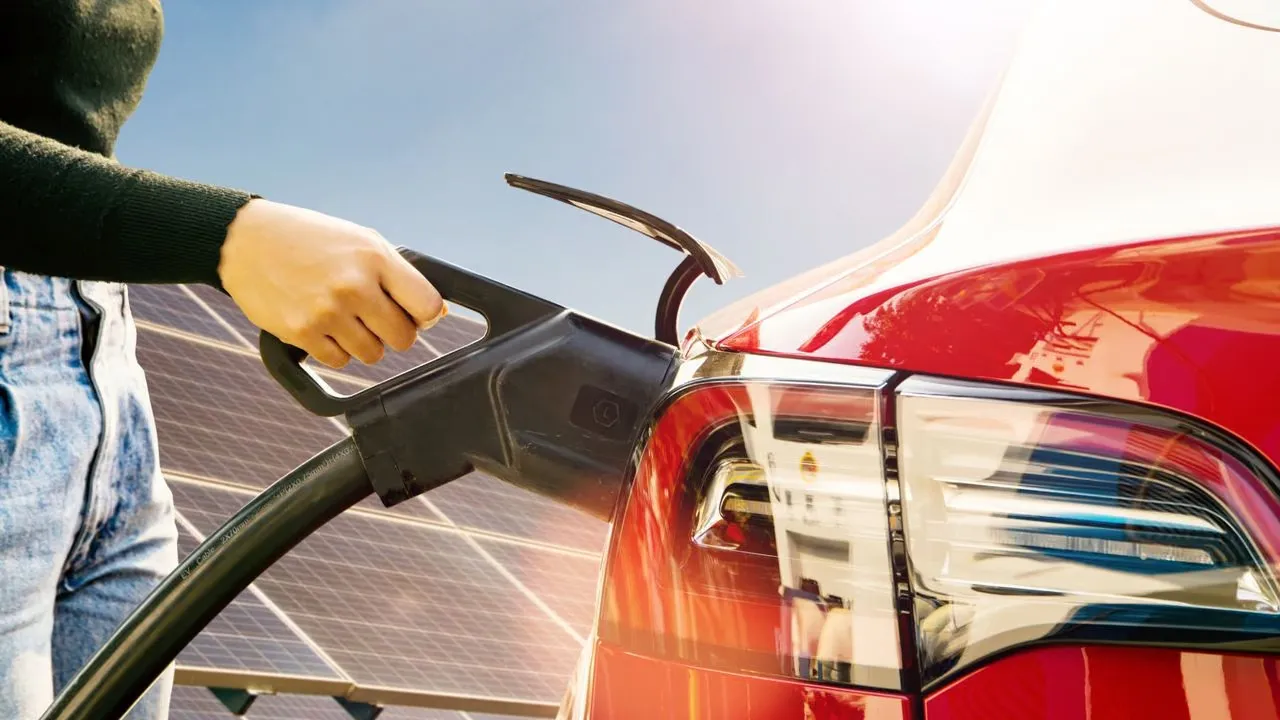
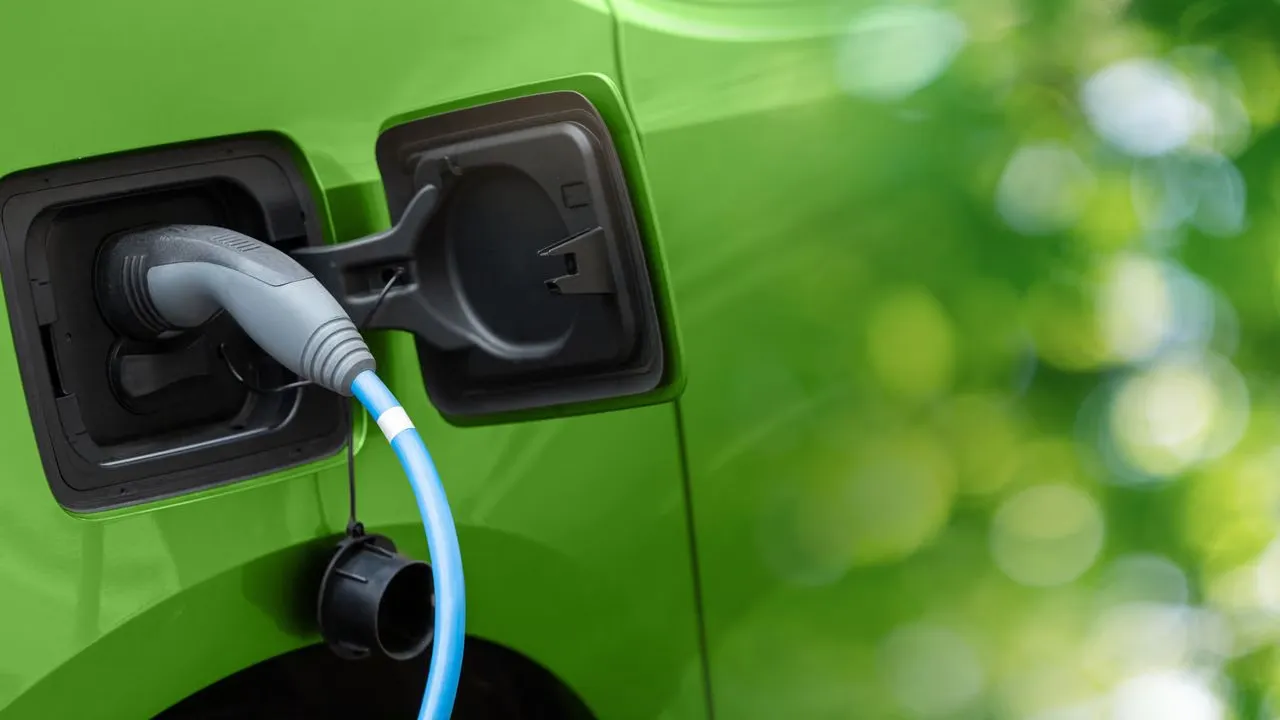
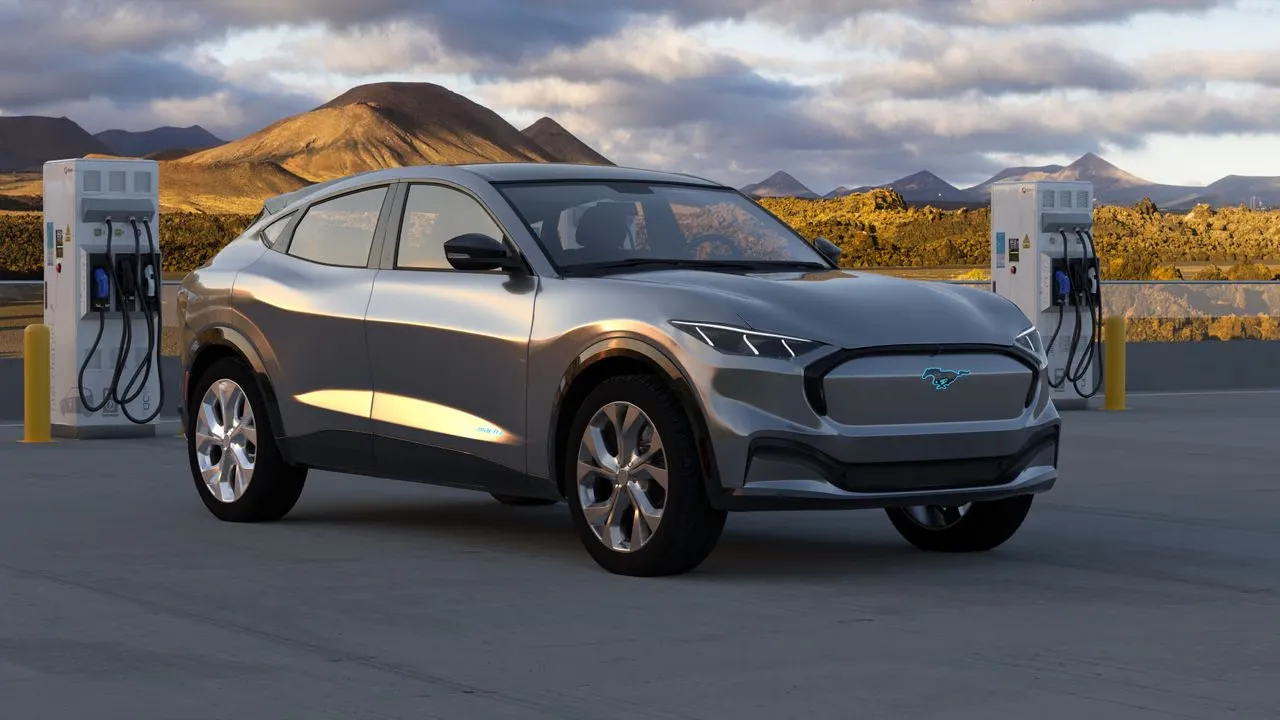
Electric vehicles (EVs) have been gaining traction in recent years as the world shifts towards more sustainable transportation options. With the growing concern over climate change and the need to reduce carbon emissions, the future of electric cars and e-mobility looks promising. Let’s dive into some key aspects that are shaping the landscape of urban mobility, EV market growth, and EV advancements.
Urban Mobility
One of the driving forces behind the rise of electric cars is the need for better urban mobility solutions. As cities become more congested and pollution levels rise, there is a growing demand for cleaner and more efficient modes of transportation. Electric vehicles offer a viable solution to these challenges by providing a more sustainable alternative to traditional gasoline-powered cars.
With the development of smart city technologies and infrastructure, electric cars are becoming increasingly integrated into urban mobility systems. From electric buses to shared e-scooters, cities around the world are embracing the concept of e-mobility as a way to reduce traffic congestion, improve air quality, and enhance overall quality of life for residents.
EV Market Growth
The EV market has been experiencing significant growth in recent years, driven by advancements in battery technology, government incentives, and changing consumer preferences. As more automakers introduce electric models to their lineup, the market for EVs is expected to continue expanding rapidly in the coming years.
According to industry analysts, the global electric vehicle market is projected to reach a value of over $800 billion by 2027. This growth is fueled by increasing awareness of environmental issues, rising fuel prices, and improvements in EV infrastructure. With more charging stations being installed worldwide, range anxiety is becoming less of a concern for potential EV buyers.
EV Advancements
Advancements in electric vehicle technology are driving innovation in the industry and making EVs more accessible to a wider audience. From longer battery range to faster charging times, manufacturers are constantly improving the performance and efficiency of electric cars.
One of the most significant advancements in EV technology is the development of solid-state batteries, which offer higher energy density and faster charging capabilities compared to traditional lithium-ion batteries. This breakthrough is expected to revolutionize the electric vehicle market and pave the way for more affordable and practical EVs in the future.
Conclusion
As we look ahead to the future of electric cars and e-mobility, it is clear that the automotive industry is undergoing a transformation towards more sustainable and eco-friendly transportation solutions. With urban mobility initiatives, EV market growth, and ongoing advancements in EV technology, electric vehicles are poised to play a key role in shaping the future of transportation.