
TheFutureofEnergyExploringV2GTechnology
The Future of Energy: Exploring Vehicle-to-Grid (V2G) Technology
As we move towards a more sustainable future, innovative technologies are playing a crucial role in reshaping the way we think about energy consumption and distribution. One such technology that is gaining traction is Vehicle-to-Grid (V2G) technology.
What is Vehicle-to-Grid (V2G) Technology?
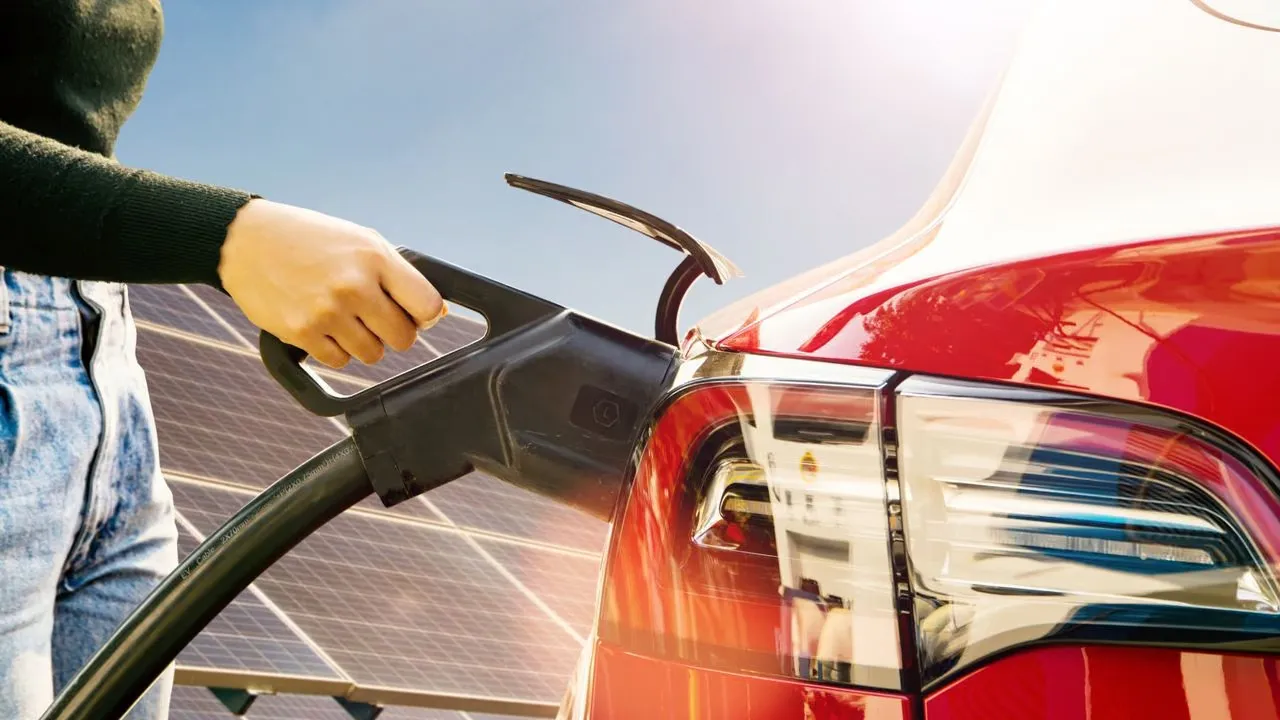
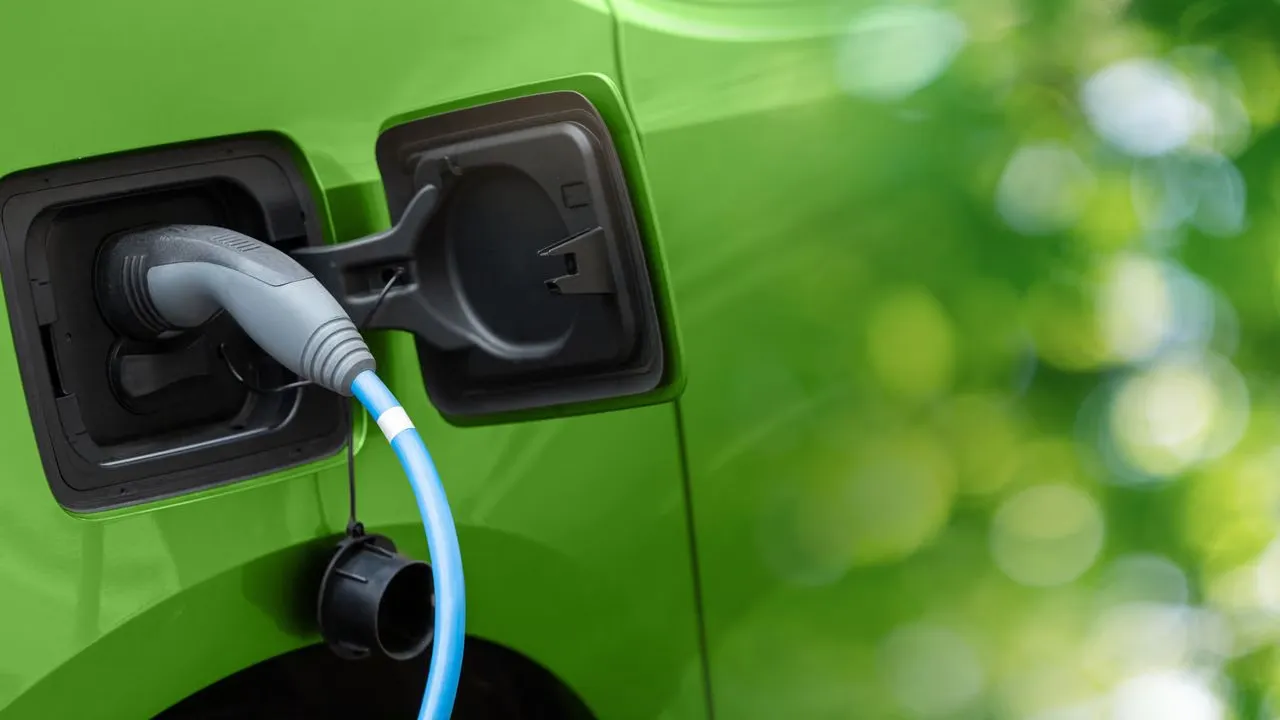
V2G technology is a system that enables electric vehicles (EVs) to not only draw power from the grid but also to send excess power back to the grid when needed. This two-way flow of electricity between vehicles and the grid has the potential to revolutionize the way we manage energy.
Grid Flexibility
One of the key benefits of V2G technology is its ability to enhance grid flexibility. By allowing EVs to store and discharge energy, V2G systems can help balance the supply and demand of electricity on the grid. This flexibility is crucial for integrating renewable energy sources, such as solar and wind, which are inherently intermittent.
Energy Storage
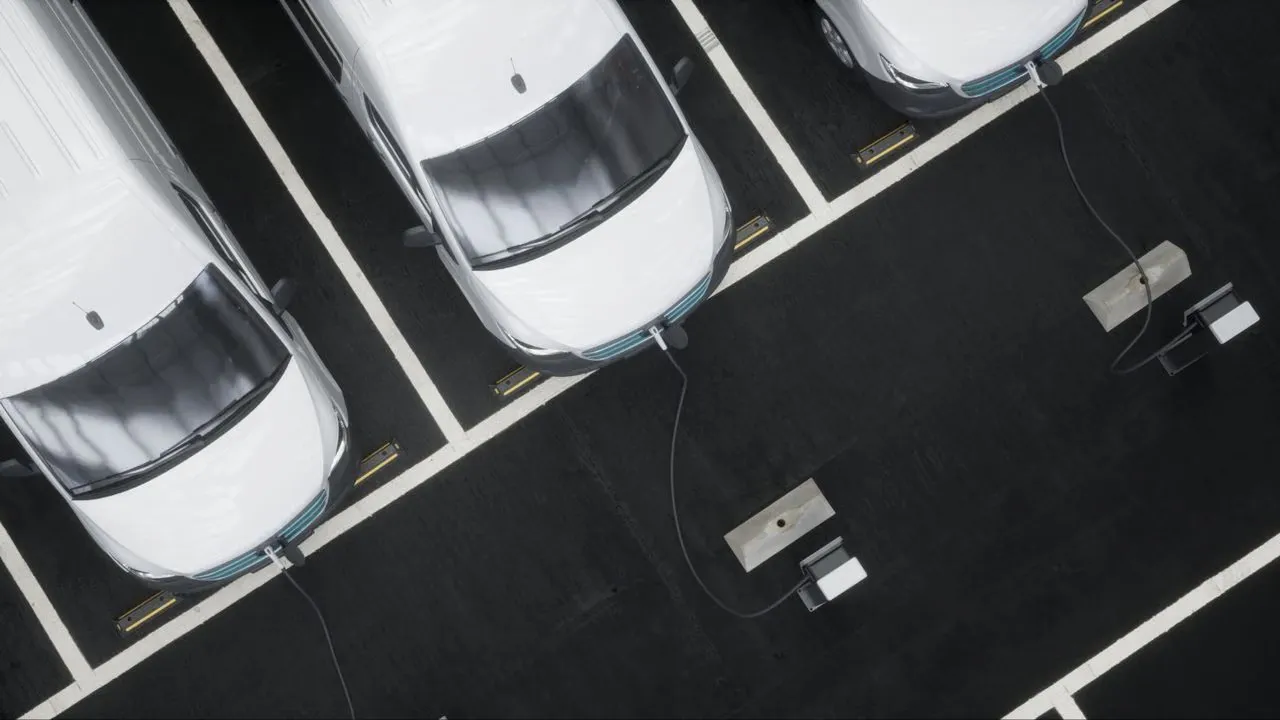
EV batteries have the potential to serve as a valuable source of energy storage. When plugged into a V2G system, EVs can store excess energy during off-peak hours and discharge it during times of high demand. This not only helps reduce strain on the grid but also enables EV owners to monetize their vehicle’s battery capacity.
Grid Integration
V2G technology also plays a key role in grid integration by enabling a seamless connection between EVs and the grid. Through smart charging algorithms, V2G systems can optimize the charging and discharging of EV batteries based on grid conditions, energy prices, and user preferences. This integration is essential for maximizing the benefits of renewable energy and promoting grid stability.
The Potential of Vehicle-to-Grid (V2G) Technology
With the rise of electric vehicles and the increasing adoption of renewable energy sources, V2G technology holds immense potential to transform our energy landscape. By leveraging the capabilities of EV batteries for grid support, V2G systems can help drive the transition towards a more sustainable and resilient energy system.
Conclusion
As we look towards the future, the role of V2G technology in shaping the energy sector cannot be understated. By harnessing the power of electric vehicles to provide grid flexibility, energy storage, and grid integration, V2G technology has the potential to revolutionize the way we generate, distribute, and consume energy. With continued advancements in technology and greater collaboration between stakeholders, V2G systems can pave the way for a more sustainable and efficient energy future.