
Unlocking EV Charging: Availability, Scalability, and Efficiency
EV Charging Station Scheduling: The Key to Unlocking the Future of Electric Vehicles
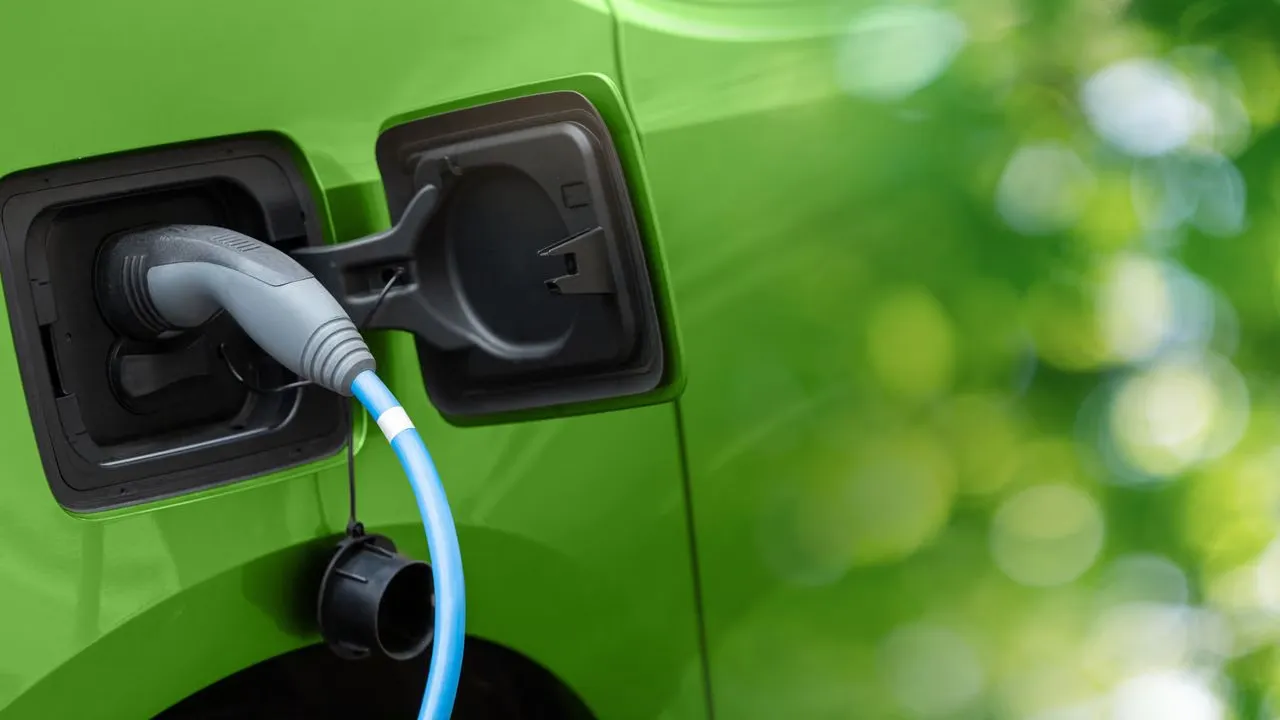
As the world shifts towards a more sustainable future, electric vehicles (EVs) have emerged as a promising solution to reduce carbon emissions and combat climate change. However, one of the major challenges in the widespread adoption of EVs is the availability and accessibility of charging stations. To address this issue, efficient EV charging station scheduling is crucial.
The Importance of Charging Station Availability
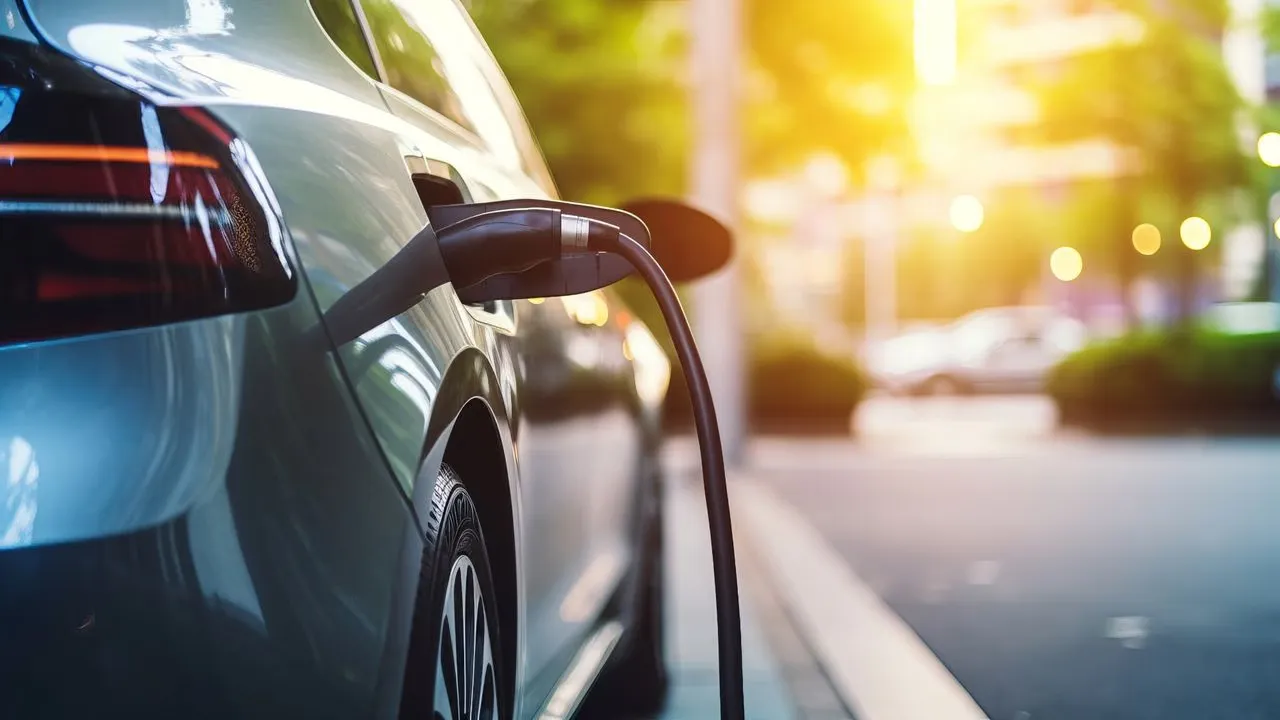
Imagine driving your electric vehicle on a long road trip, only to find that all the charging stations along your route are occupied. Frustrating, isn’t it? This scenario highlights the critical need for charging station availability. Without a sufficient number of charging stations, EV owners may face difficulties finding a spot to charge their vehicles, leading to range anxiety and hindering the growth of the EV market.
Charging station availability is not just about the number of stations but also about their distribution. Urban areas may have a higher concentration of charging stations, while rural areas may lack them entirely. This disparity poses a challenge for EV owners who reside or travel outside of major cities. To ensure equitable access to charging infrastructure, it is essential to consider the geographical distribution of charging stations.
Scalability of Charging Station Scheduling
With the increasing number of EVs on the road, charging station scheduling needs to be scalable to meet the growing demand. Traditional approaches, such as first-come, first-served, are no longer sufficient. These methods often result in long waiting times and inefficient utilization of charging stations.
Implementing an intelligent charging station scheduling system can optimize the utilization of charging infrastructure. By using advanced algorithms and real-time data, such a system can dynamically allocate time slots to EV owners, ensuring efficient use of charging stations. This scalability is crucial to accommodate the increasing number of EVs without compromising the convenience and accessibility of charging facilities.
Efficient Allocation of Time Slots
One of the key aspects of charging station scheduling is the allocation of time slots. Traditionally, EV owners had limited control over when they could charge their vehicles, often leading to inconveniences and conflicts. However, with advanced scheduling systems, EV owners can reserve specific time slots that suit their needs.
By allowing EV owners to book time slots in advance, charging station operators can better manage the demand and avoid overcrowding during peak hours. This not only improves the overall user experience but also maximizes the utilization of charging infrastructure. Additionally, intelligent scheduling systems can consider factors such as battery level, charging speed, and estimated time of arrival to optimize the allocation of time slots.
The Future of EV Charging Station Scheduling
As the EV market continues to grow, the importance of efficient charging station scheduling cannot be overstated. Governments, charging station operators, and technology providers must collaborate to develop scalable and intelligent systems that ensure the availability and accessibility of charging infrastructure.
Furthermore, the integration of renewable energy sources, such as solar and wind, with charging station networks can enhance the sustainability of EV charging. By leveraging smart grid technologies, charging stations can dynamically adjust their operations based on the availability of renewable energy, reducing reliance on fossil fuels and promoting a greener transportation ecosystem.
In conclusion, EV charging station scheduling plays a vital role in the widespread adoption of electric vehicles. By ensuring charging station availability, scalability, and efficient allocation of time slots, we can unlock the full potential of EVs and accelerate the transition towards a sustainable future.