
Where Will All EV Chargers Go
Walk through any major city today, and you might notice something subtle but unmistakable: the landscape is quietly shifting beneath our feet and wheels. Electric cars are no longer rare sights or futuristic dreams; they’re here, and their presence is prompting cities to rethink how they organize streets, parking, and even public transit. These changes go far beyond the vehicles themselves, touching the very fabric of urban life.
Charging Stations The New Urban Necessity
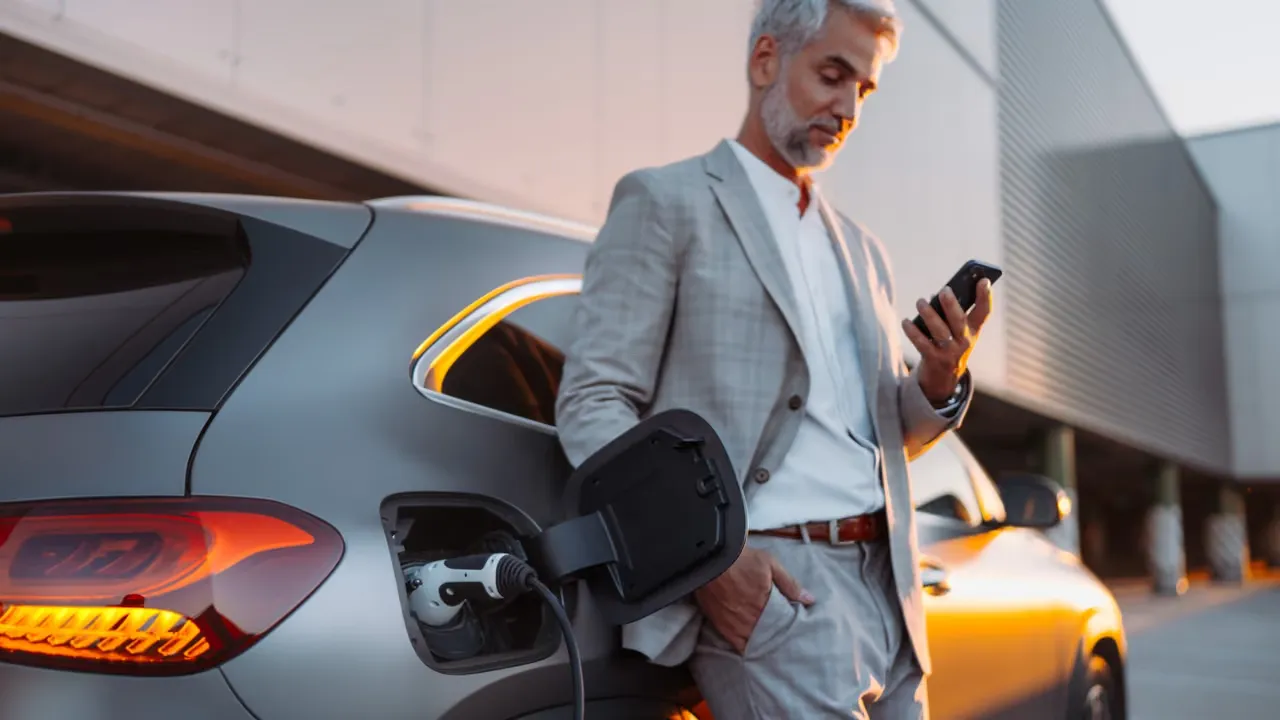
Electric cars require electricity, obviously, but what that really means for cities is a growing demand for charging infrastructure. Gone are the days when a handful of charging points sufficed. Urban planners now face the challenge of integrating charging stations seamlessly into busy streets, parking garages, and residential areas.
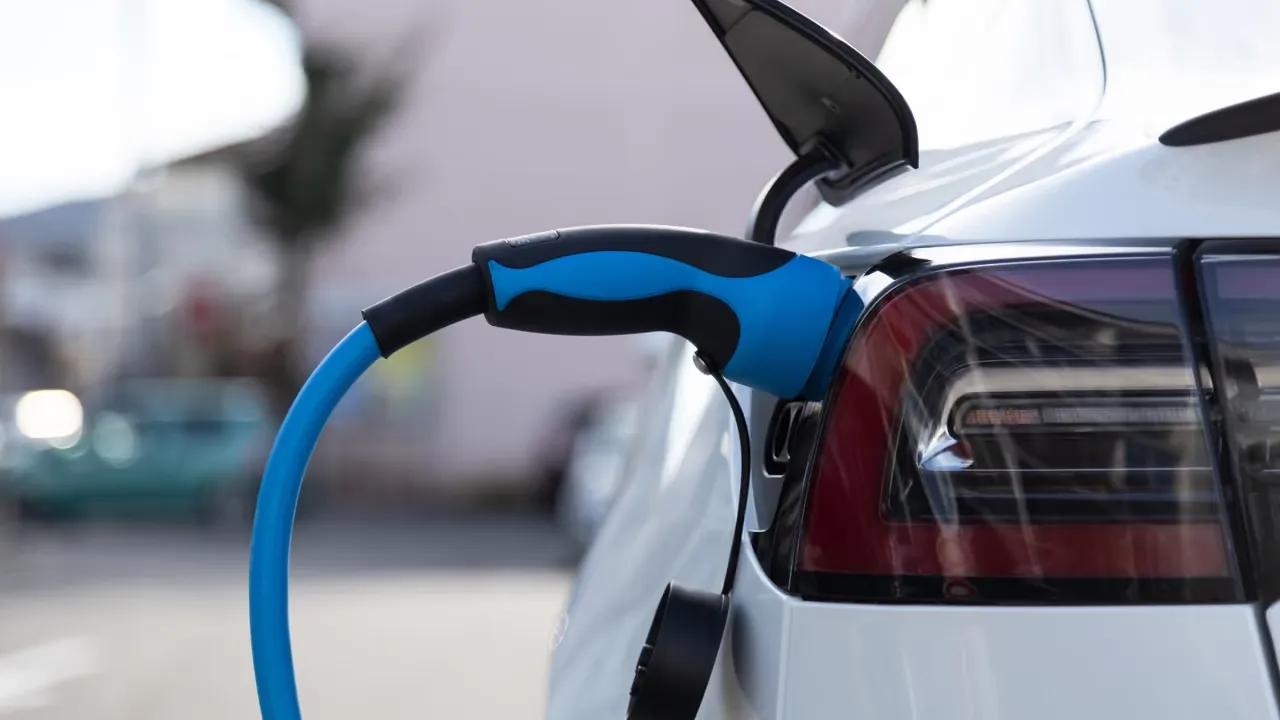
Installing chargers isn’t just about plugging in a device; it’s about reimagining public space. Sidewalks and curbsides are being repurposed to fit charging stations, sometimes at the expense of traditional parking spots. Fast chargers need more power and space, requiring upgrades to the electrical grid. Cities must balance accessibility with aesthetics and functionality, ensuring chargers are convenient for EV owners without cluttering the streetscape.
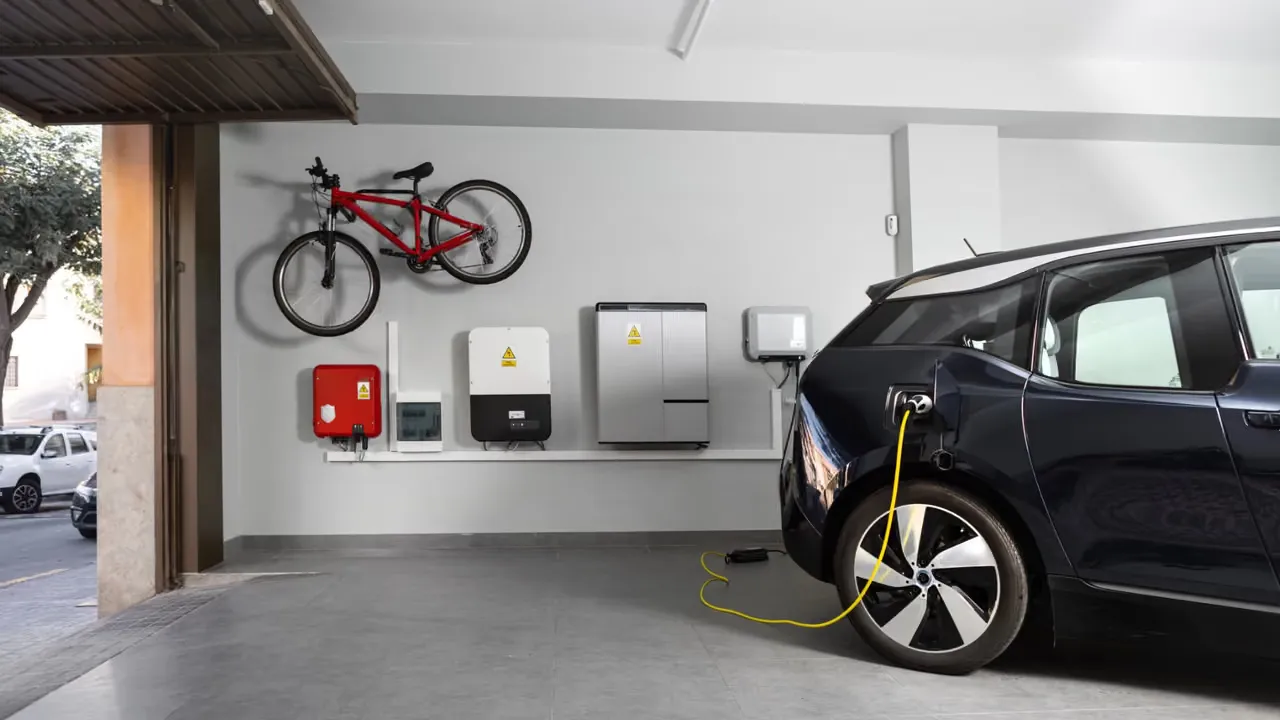
In apartment complexes and older buildings, the lack of private parking complicates matters further. Municipalities and developers are experimenting with shared charging hubs and wireless charging pads embedded in parking lots. The rise of “smart charging” technology also means chargers can adapt to grid demand, reducing strain during peak hours and even feeding energy back to the city when needed.
Redesigning Parking and Traffic Flow for EVs
Parking is another battlefield where electric vehicles are reshaping the urban environment. Some cities are offering preferential EV parking spots, often located closer to building entrances or in prime locations. This not only encourages electric car adoption but also changes how parking lots are laid out and managed.
Beyond parking, traffic flow is undergoing subtle shifts. Electric vehicles, especially those with autonomous capabilities, can communicate with city infrastructure to optimize driving patterns. This connectivity can reduce congestion, improve safety, and even influence the timing of traffic signals.
Dedicated EV lanes or zones are under consideration in certain urban areas, aimed at encouraging electric vehicle use and reducing emissions in dense neighborhoods. These lanes can also serve electric buses and shared vehicles, intertwining with broader mobility strategies.
Impact on Public Transportation and Shared Mobility
Electric cars don’t exist in isolation; their rise intersects with changes in public transportation and shared mobility. Electric buses are increasingly common, cutting down on diesel fumes and noise pollution. This shift benefits air quality and creates a quieter, more pleasant city experience.
Shared electric vehicles, including e-scooters and e-bikes, are expanding the possibilities for last-mile travel. Cities are investing in charging networks not just for private cars but for these shared fleets, recognizing their role in reducing reliance on individual car ownership.
Integration is key. Many urban areas are developing apps and platforms that combine electric car-sharing with public transit schedules, encouraging multimodal trips that reduce overall emissions and traffic density. These efforts are nudging people away from private car dependence toward more flexible and sustainable urban mobility options.
Environmental and Economic Effects on Cities
The environmental benefits of electric vehicles are often discussed in terms of tailpipe emissions, but the broader urban impact is just as significant. Reduced noise pollution alone transforms city streets, making them more livable and inviting. Health benefits follow as air quality improves, especially in neighborhoods that historically suffer from traffic-related pollution.
Economically, the shift to electric cars brings both opportunities and challenges. New industries around battery production, charging infrastructure, and vehicle maintenance are emerging, creating jobs and stimulating local economies. On the flip side, cities must manage the costs of upgrading electrical grids and public spaces.
Property values near fast-charging hubs and EV-friendly amenities are beginning to reflect the desirability of this infrastructure. Meanwhile, cities that lead in embracing electric mobility often attract residents and businesses interested in sustainability, innovation, and quality of life.
Electric vehicles are more than a new type of car; they’re a catalyst for urban evolution. The streets, sidewalks, public transit systems, and economic landscapes of cities are all adjusting to the electric revolution, shaping daily lives in ways that go far beyond the vehicles themselves.